İçten Dişli Yapılar İçin Dişli Şekillendirme ve Broşlama Karşılaştırması — Şekillendirme ve broşlama yöntemlerinin her ikisi de içten kamalı dişler üretebilir, ancak farklı geometrilere, hacimlere ve takım ekonomisine uygundurlar. Delikler arası geçişler, kör özellikler, parça uzunluğu, diş şekli, üretim miktarı ve mevcut denetim erişimi, hangi işlemin pratik olduğunu etkileyen faktörlerdir.
İçin spline şekillendirme ve broşlama karşılaştırmasıEn güvenilir özellik, tasarımcının, alıcının, üreticinin ve denetçinin aynı şekilde yorumlayabileceği özelliktir. Aşağıdaki tartışma, tam geometri ve çalışma verileri olmadan belirlenemeyen evrensel tork, geçme veya ömür iddialarından ziyade, ölçülebilir çizim girdilerine, montaj koşullarına ve pratik kontrollere odaklanmaktadır.
Şekillendirme Aracı Erişimi
Şekillendirme Aracı Erişimi Diş geometrisi, erişim, malzeme durumu, üretim hacmi ve gerekli hassasiyete bağlı bir üretim kararıdır. Dış ve iç kamalar genellikle farklı takım stratejileri gerektirir ve omuzlar veya bitişik çaplar takım yaklaşımını kısıtlayabilir.
Öncelikle nihai diş geometrisini ve kabul yöntemini tanımlayın, ardından bunları verimli bir şekilde gerçekleştirebilecek nitelikli bir işlem seçin. Isıl işlem sırayı değiştirebilir: kaba veya yumuşak kesim sertleştirmeden önce gerçekleşebilirken, taşlama veya başka bir sert son işlem yöntemi, termal deformasyondan sonra düzeltme gerektiren özellikler için ayrılmıştır. Bu konu için, bu kararı eşleşen bileşen ve RFQ için kullanılan çizim revizyonuyla ilişkilendirin. Spline şekillendirme ile broşlama karşılaştırmasını incelerken, eşleşen bileşen, malzeme durumu veya çalışma görevi değiştiğinde bu noktayı tekrar gözden geçirin.
Broş Yatırımı ve Hacmi
Broş Yatırımı ve Hacmi Bu durum, spline şekillendirme ve broşlama bağlamında incelenmelidir. Bu kararın kontrol ettiği eşleşen bileşeni, çalışma fonksiyonunu ve çizim özelliğini belirleyin. Gereksinim ölçülebilir olmalı ve uyum, tork transferi, hizalama, aşınma veya tanımlanmış başka bir montaj ihtiyacıyla bağlantılı olmalıdır.
Kararı, malzeme durumu, üretim sırası ve muayene erişimiyle birlikte değerlendirin. Parça bir yedek parça ise, hasarı kopyalamak yerine aşınmamış geometriyi ve eşleşen parçayı karşılaştırın. Yeni tasarımlar için, tasarım tarafından belirli bir işlem gerektirilmediği sürece, açık işlem seçeneklerini esnek tutun. Bu incelemede, faydalı kabul kriteri, fonksiyonel bir çizim özelliğine kadar izlenebilen kriterdir. Spline şekillendirme ile broşlama karşılaştırması yapılırken, eşleşen bileşen, malzeme durumu veya çalışma görevi değiştiğinde bu noktayı tekrar gözden geçirin.
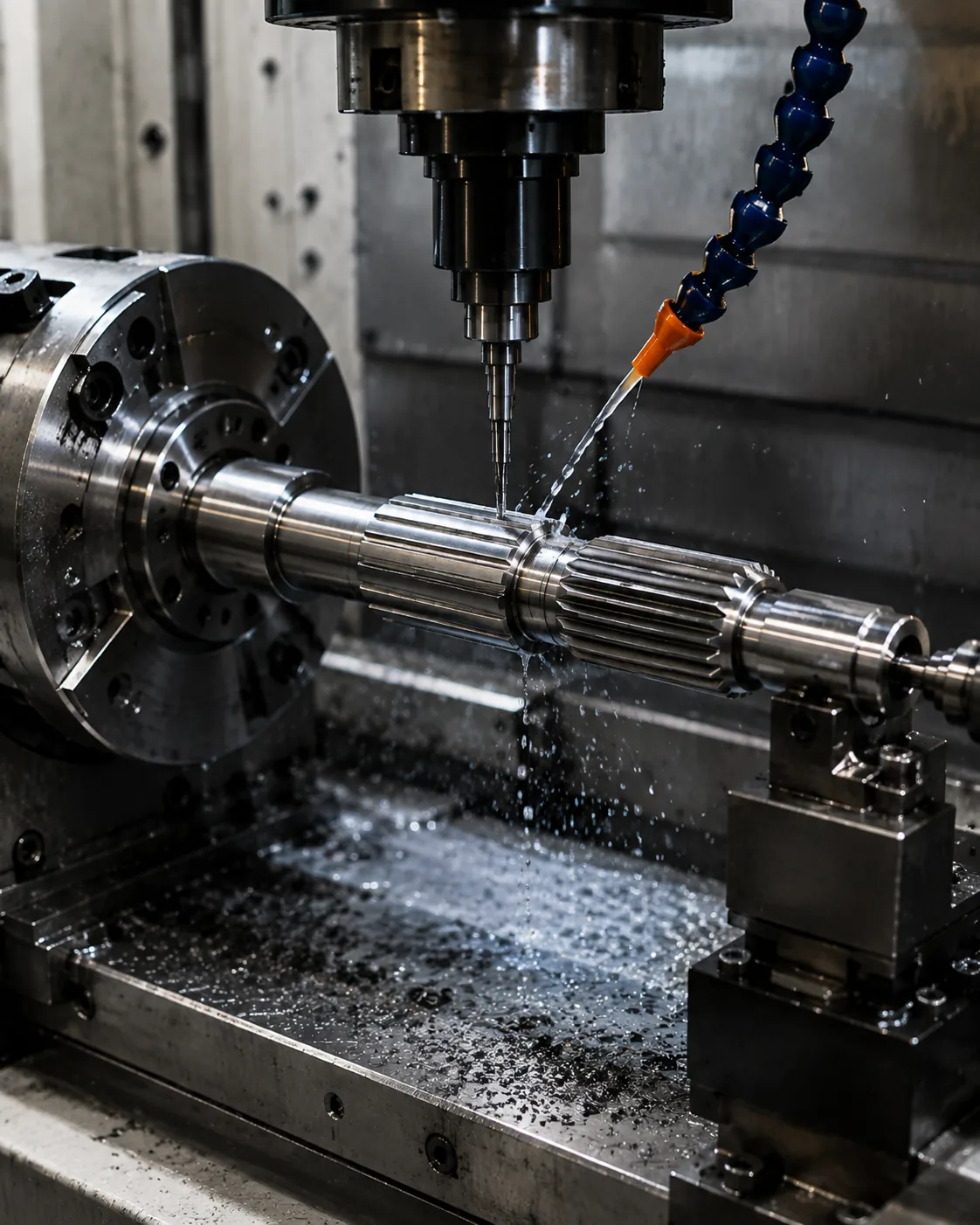
Kör ve İçten Geçmeli Spline Yöntemleri
Kör ve İçten Geçmeli Spline Yöntemleri Bu durum, spline şekillendirme ve broşlama bağlamında incelenmelidir. Bu kararın kontrol ettiği eşleşen bileşeni, çalışma fonksiyonunu ve çizim özelliğini belirleyin. Gereksinim ölçülebilir olmalı ve uyum, tork transferi, hizalama, aşınma veya tanımlanmış başka bir montaj ihtiyacıyla bağlantılı olmalıdır.
Kararı, malzeme durumu, üretim sırası ve muayene erişimiyle birlikte değerlendirin. Parça bir yedek parça ise, hasarlı parçayı kopyalamak yerine aşınmamış geometriyi ve eşleşen parçayı karşılaştırın. Yeni tasarımlar için, tasarımda belirli bir işlem gerekmedikçe, açık işlem seçeneklerini esnek tutun. Tekrarlanan işler için, montaj gereksinimi değişmedikçe aynı referans ve ölçüm esasını koruyun. Spline şekillendirme ve broşlama teklif talebinde, bu noktayı eşleşen parça, referans şeması ve bitmiş parça kabul yöntemiyle ilişkilendirin.
Boyut Aralığı ve Makine Strok
Boyut Aralığı ve Makine Strok Bu durum, spline şekillendirme ve broşlama bağlamında incelenmelidir. Bu kararın kontrol ettiği eşleşen bileşeni, çalışma fonksiyonunu ve çizim özelliğini belirleyin. Gereksinim ölçülebilir olmalı ve uyum, tork transferi, hizalama, aşınma veya tanımlanmış başka bir montaj ihtiyacıyla bağlantılı olmalıdır.
Kararı, malzeme durumu, üretim sırası ve muayene erişimiyle birlikte değerlendirin. Parça bir yedek parça ise, hasarlı parçayı kopyalamak yerine aşınmamış geometriyi ve eşleşen parçayı karşılaştırın. Yeni tasarımlar için, tasarımda belirli bir işlem gerekmedikçe, açık işlem seçeneklerini esnek tutun. Görev veya eşleşen parça değiştiğinde, önceki varsayımı devam ettirmek yerine bu noktayı tekrar gözden geçirin. İç spline özellikleri için spline şekillendirme veya broşlama seçenekleri için, ortaya çıkan gereksinimi çizime veya satın alma şartnamesine kaydedin, böylece tekrarlanan siparişlerde tutarlı kalır.
Malzeme Durumu
Malzeme Durumu Yük, kesit boyutu, sertleşme tepkisi, darbe dayanımı, aşınma gereksinimleri ve planlanan üretim yolu dikkate alınarak seçim yapılmalıdır. Malzeme kalitesi ve ısıl işlem birlikte bir karar oluşturur; eğer kullanım amacı ve geometri gerektirmiyorsa, daha yüksek alaşımlı çelik otomatik olarak daha iyi bir seçim değildir.
Çizimde gerekli malzeme tanımı ve son durum belirtilmelidir. Malzeme ikamesine izin veriliyorsa, bunu kontrol eden özellikleri veya onay sürecini tanımlayın. Birden fazla çapa sahip miller veya entegre dişliler için, ısıl işlem yönteminin düzgünlüğü ve daha sonraki son işlemeyi nasıl etkilediğini de göz önünde bulundurun. Bu konu için, bu kararı eşleşen bileşen ve teklif talebi için kullanılan çizim revizyonuyla ilişkilendirin. İçten dişli özellikler için dişli şekillendirme ve broşlama arasındaki fark için, ortaya çıkan gereksinimi çizime veya satın alma şartnamesine kaydedin, böylece tekrarlanan siparişlerde tutarlı kalır.
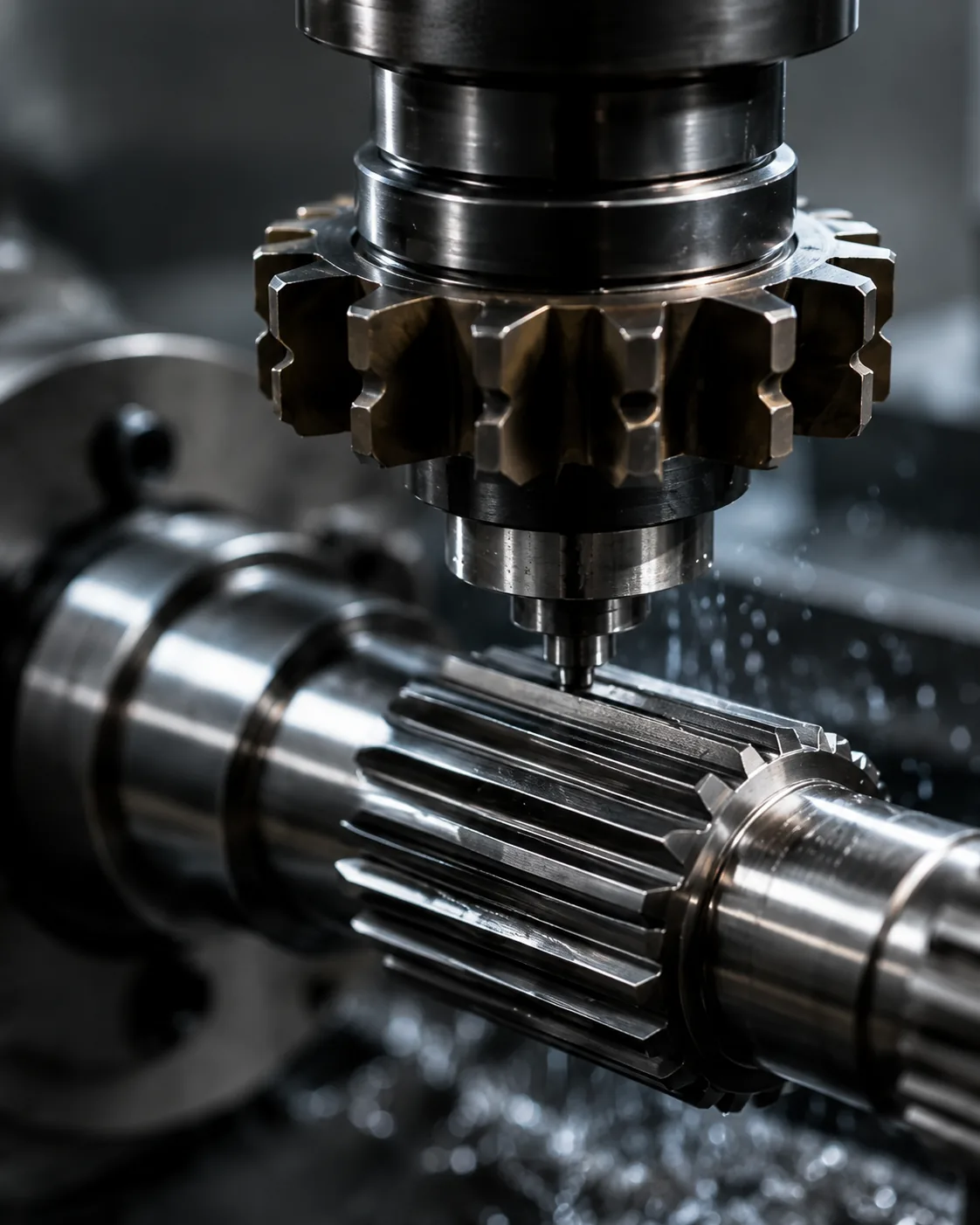
Takım Üretim Süresi
Takım Üretim Süresi Diş geometrisi, erişim, malzeme durumu, üretim hacmi ve gerekli hassasiyete bağlı bir üretim kararıdır. Dış ve iç kamalar genellikle farklı takım stratejileri gerektirir ve omuzlar veya bitişik çaplar takım yaklaşımını kısıtlayabilir.
Öncelikle nihai diş geometrisini ve kabul yöntemini tanımlayın, ardından bunları verimli bir şekilde gerçekleştirebilecek nitelikli bir işlem seçin. Isıl işlem sırayı değiştirebilir: sertleştirmeden önce kaba veya yumuşak kesim yapılabilirken, taşlama veya başka bir sert son işlem yöntemi, termal deformasyondan sonra düzeltme gerektiren özellikler için ayrılmıştır. Bu incelemede, faydalı kabul kriteri, fonksiyonel bir çizim özelliğine kadar izlenebilen kriterdir. Kamalı şekillendirme ile broşlama karşılaştırmasını incelerken, eşleşen bileşen, malzeme durumu veya çalışma görevi değiştiğinde bu noktayı tekrar gözden geçirin.
Pratik bir tekrar dizisi
Pratik bir inceleme dizisi, eşleşen bileşen ve tork yoluyla başlar, ardından diş sistemini, kavramayı ve bağlantıyı konumlandıran şaft özelliklerini doğrular. Daha sonra malzeme ve ısıl işlem, fonksiyonel yüzeyler ve herhangi bir salınım veya konum gereksinimini tanımlayın. Tekrarlanan işler için, montaj gereksinimi değişmedikçe aynı referans ve ölçüm esasını koruyun. İç spline özellikleri için spline şekillendirme ve broşlama karşılaştırması için, bu kontrolü mevcut çizimde gösterilen belirli spline şekillendirme ve broşlama arayüzüne uygulayın.
Muayene yöntemi, miktar ve ilk numune dokümantasyonu üzerinde anlaşarak işlemi tamamlayın. Bu sıra, fonksiyonel arayüz anlaşılmadan önce proses veya tolerans kararlarının alınmasını önler ve her tedarikçiye aynı tasarım girdileri sunulduğu için tekliflerin karşılaştırılmasını kolaylaştırır. Görev veya eşleşen eleman değiştiğinde, önceki varsayımı devam ettirmek yerine bu noktayı tekrar gözden geçirin. İç spline özellikleri için spline şekillendirme ve broşlama karşılaştırmasında, bu kontrolü mevcut çizimde gösterilen spline şekillendirme ve broşlama arayüzüne uygulayın.
Denetim Erişimi
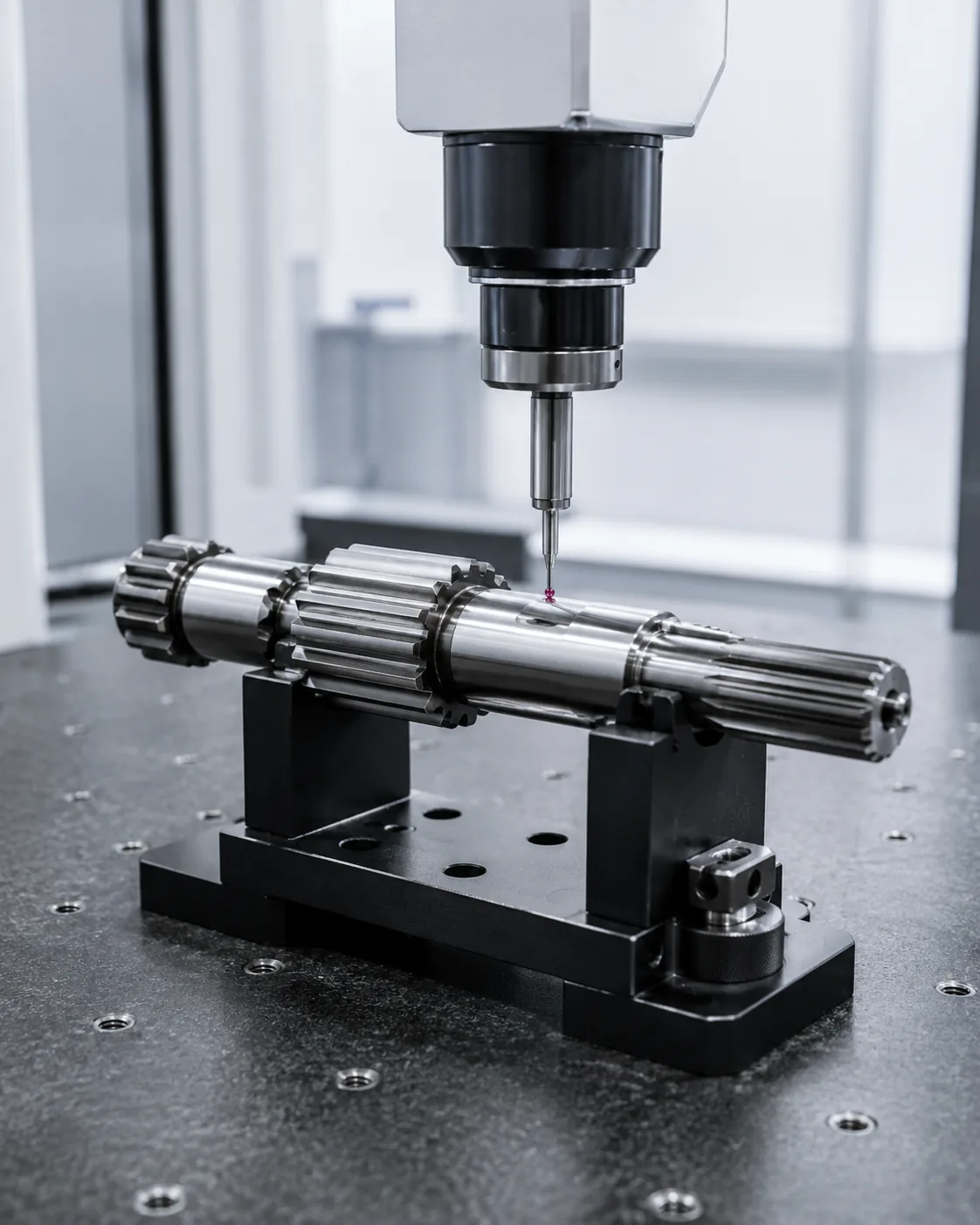
Denetim Erişimi Çizim özelliğini doğrudan veya fonksiyonel olarak ölçen bir yöntem kullanılmalıdır. Fonksiyonel mastarlar, analitik diş ölçümü, CMM muayenesi, açıklık ölçümleri ve pim veya bilyeler üzerindeki ölçümler farklı sorulara cevap verir ve varsayılan olarak birbirinin yerine kullanılamaz.
Toleransın dar olduğu durumlarda veya müşteri ve tedarikçi farklı ekipman kullandığında, üretimden önce yöntem üzerinde anlaşmaya varın. Tekrarlanabilirlik için sıcaklığı, temizliği ve ölçüm cihazı kalibrasyonunu kontrol edin. Muayene raporunda, daha sonraki partilerin aynı temelde karşılaştırılabilmesi için çizim revizyonu ve referans noktası kurulumu belirtilmelidir. Bu konu için, bu kararı eşleşen bileşen ve RFQ için kullanılan çizim revizyonuyla ilişkilendirin. İç spline özellikleri için spline şekillendirme ve broşlama karşılaştırmasında, bu kontrolü mevcut çizimde gösterilen belirli spline şekillendirme ve broşlama arayüzüne uygulayın.
Uygun durumlarda işten kaymak veya EDM gibi alternatifler
Uygun durumlarda işten kaymak veya EDM gibi alternatifler Diş geometrisi, erişim, malzeme durumu, üretim hacmi ve gerekli hassasiyete bağlı bir üretim kararıdır. Dış ve iç kamalar genellikle farklı takım stratejileri gerektirir ve omuzlar veya bitişik çaplar takım yaklaşımını kısıtlayabilir.
Öncelikle nihai diş geometrisini ve kabul yöntemini tanımlayın, ardından bunları verimli bir şekilde gerçekleştirebilecek nitelikli bir işlem seçin. Isıl işlem sırayı değiştirebilir: sertleştirmeden önce kaba veya yumuşak kesim yapılabilirken, taşlama veya başka bir sert son işlem yöntemi, termal deformasyondan sonra düzeltme gerektiren özellikler için ayrılmıştır. Bu incelemede, kullanışlı kabul kriteri, fonksiyonel bir çizim özelliğine kadar izlenebilen kriterdir. Kamalı şekillendirme ve broşlama teklif talebinde, bu noktayı eşleşen eleman, referans şeması ve nihai parça kabul yöntemiyle ilişkilendirin.
Sıkça yapılan hatalardan kaçınmak
Spline şekillendirme ve broşlama arasındaki yaygın hatalar, tek bir nominal değerin tüm arayüzü tanımlıyormuş gibi ele alınmasından kaynaklanır. Eksik basınç açısı, belirsiz referans noktaları, kopyalanmış aşınma boyutları, belirtilmemiş sertlik konumu ve uyumsuz muayene yöntemleri, kağıt üzerinde doğru görünen ancak tutarlı bir şekilde monte edilemeyen parçalar oluşturabilir.
Daha iyi bir inceleme, eşleşen çiftle başlar, yük yolunu ve konumlandırma özelliklerini belirler, ardından geometriyi, malzeme durumunu ve muayeneyi bu işlevlere bağlar. Üretimden önce çizimdeki açık soruları kapatın ve tekrarlanan siparişler için revizyonla birlikte üzerinde anlaşılan yorumu koruyun. Tekrarlanan işler için, montaj gereksinimi değişmedikçe aynı referans ve ölçüm esasını koruyun. İç spline özellikleri için spline şekillendirme veya broşlama için, ortaya çıkan gereksinimi çizime veya satın alma şartnamesine kaydedin, böylece tekrarlanan siparişlerde tutarlı kalır.
Karar özeti
| Karar alanı | Onaylanacak olanlar | Neden önemli? |
|---|---|---|
| Çiftleşme geometrisi | Diş sistemi, çaplar, kavrama ve uyum | Kontrol uyumluluğu ve yan temas |
| Konum | Referans noktaları, koğuşlar, omuzlar ve salınım | Montajda hizalamayı kontrol eder. |
| Malzeme durumu | Kalite, ısıl işlem, sertlik ve yüzey işlemi | Ürünün nihai mekanik ve aşınma durumunu tanımlar. |
| Görev | Tork, hız, şok, hareket ve çevre | Parça tanımını çalışma koşullarına bağlar. |
| Denetleme | Kontrollü özellikler ve ölçüm yöntemi | Tedarikçi ve alıcı arasında kabulün tutarlı olmasını sağlar. |
Teknik şartname kontrol listesi
- Eşleşen bileşen ve dış/iç diş yönlendirmesi
- Modül veya hatve sistemi, diş sayısı, basınç açısı ve ana/ikincil çaplar
- Etkin bağlantı, uyum veya tolerans esası ve gerekirse eksenel hareket.
- Malzeme, ısıl işlem, sertlik yeri ve fonksiyonel yüzey işlemleri
- Referans noktaları, yatak veya kılavuz çapları, salınım ve eksenel konum gereksinimleri
- Tork, hız, şok veya ters yük, yağlama ve çalışma ortamı
- Miktar, ilk numune gereksinimleri ve üzerinde mutabık kalınan muayene dokümantasyonu
Kullanın kamalı mil ürün yelpazesi Mevcut konfigürasyonları ve Teklif talebi çizim kontrol listesi Eksiksiz bir araştırma hazırlamak için. Görev veya eşleşen eleman değiştiğinde, önceki varsayımı devam ettirmek yerine bu noktayı tekrar gözden geçirin. İç spline özellikleri için spline şekillendirme ve broşlama arasındaki farkı belirlemek için, ortaya çıkan gereksinimi çizime veya satın alma şartnamesine kaydedin, böylece tekrarlanan siparişlerde tutarlı kalır.
Spline şekillendirme ve broşlama karşılaştırması için mühendislik çalışma sayfası
Bu çalışma sayfasını çevirmek için kullanın. İçten Dişli Yapılar İçin Dişli Şekillendirme ve Broşlama Karşılaştırması Çizim üzerinde gösterilebilen, fiyat teklifi sırasında kontrol edilebilen ve ilk numunede doğrulanabilen kararlara dönüştürün. Başlayın Şekillendirme Aracı Erişimi Ve Broş Yatırımı ve HacmiÇünkü bu iki unsur genellikle ya eşleşme geometrisini ya da sürecin geri kalanının desteklemesi gereken malzeme koşulunu tanımlar. Ardından gözden geçirin. Kör ve İçten Geçmeli Spline Yöntemleri, Boyut Aralığı ve Makine Strok Ve Malzeme Durumu Bunları bağımsız katalog değerleri olarak ele almak yerine, gerçek montaja göre değerlendirmek.
Üretim süreci kararı için, bitmiş diş geometrisinden ve erişim koşullarından başlayın. Kamaların dıştan mı yoksa içten mi, delikli mi yoksa kör mü, omuza yakın mı, bir dişliyle entegre mi yoksa bitişik çaplarla mı sınırlı olduğuna dikkat edin. Bu kısıtlamalar, takım yaklaşımını, iş parçası tutmayı ve süreçler arasındaki pratik seçimi etkiler. Üretim miktarı ve malzeme durumu ekonomiyi etkiler, ancak çizim özelliği kabul hedefi olarak kalır. Kama şekillendirme ve broşlama arasında bir teklif talebinde, bu noktayı eşleşen eleman, referans şeması ve bitmiş parça kabul yöntemiyle ilişkilendirin.
Muayene devir teslimini, kör ve içten geçmeli spline'lar etrafında oluşturun. İlk parçadan önce referans kurulumunu, ölçüm aşamasını ve raporlama gereksinimini tanımlayın. Isıl işlem, özellikleri birbirine göre hareket ettirebilir; bu nedenle salınım, hatve, diş kalınlığı veya delik ilişkilerinin, yumuşak işlenmiş bir boşluk üzerinde değil, son işlemden sonra doğrulanması gerekebilir. Ölçü aletleri kullanılıyorsa, bunların neyi kanıtladığı ve hangi analitik kontrollerin gerekli kaldığı konusunda anlaşın.
Çizim inceleme sırası
Üretim talebinde bulunmadan önce, montajın çalışma sırasıyla aynı şekilde çizimi inceleyin: eşleşen diş sistemi, etkili kavrama, konumlandırma referans noktaları, bitişik miller veya omuzlar, malzeme ve ısıl işlem, fonksiyonel yüzeyler ve muayene yöntemi. spline şekillendirme ve broşlama karşılaştırmasıSıralama önemlidir çünkü süreç seçimi veya ölçüm cihazı seçimi gibi daha sonraki kararlar, arayüzü yeniden tanımlamak yerine desteklemelidir.
| Çalışma sayfası öğesi | Cevaplanacak soru | RFQ çıktısı |
|---|---|---|
| Şekillendirme Aracı Erişimi | Bu özellik hangi montaj fonksiyonunu kontrol eder? | Boyut, tolerans veya eşleşme referansı |
| Broş Yatırımı ve Hacmi | Hangi nihai duruma ulaşılmalıdır? | Malzeme / ısıl işlem / yüzey işlemi belirtilmesi |
| Kör ve İçten Geçmeli Spline Yöntemleri | Bu özelliğin doğruluğu nasıl teyit edilecek? | Denetim yöntemi veya raporlama notu |
| Boyut Aralığı ve Makine Strok | Karşı taraf nasıl bir yaklaşım sergiliyor? | Çiftleşme organı ve etkileşim bilgileri |
| Malzeme Durumu | İşlevsel konumun belirlenmesinde hangi veri noktası kullanılır? | Referans noktası ve çıkış noktası arasındaki ilişki |
İlk makaleden önce tedarik sürecinin devredilmesi
Faydalı bir satın alma paketi İçten Dişli Yapılar İçin Dişli Şekillendirme ve Broşlama Karşılaştırması Kontrollü çizim, miktar, malzeme ve ısıl işlem koşulu, eşleşme arayüzü bilgileri ve raporlanması gereken kabul özelliklerini içerir. 3B model sağlanmışsa, 2B çizim yine de toleransları, referans noktalarını, ısıl işlem notlarını ve muayene gereksinimlerini içermelidir. Üretim ve muayenenin farklı sürümlerden çalışmaması için, teklif talebinde mevcut revizyonu belirtin.
Bir özellik henüz kararlaştırılmamışsa, uygun bir değer girmek yerine mühendislik açıklaması için işaretleyin. Spline şekillendirme ve broşlama için yaygın açık konular arasında kavrama, uyum, sertlik konumu, bitişik bir mile olan salınım, iç özelliklere erişim veya aşınmış bir eşleşen bileşenin durumu yer alır. İlk parçadan önce bu noktaların çözülmesi, gereksiz yeniden işleme ihtiyacını azaltır ve daha sonraki tekrarlanan siparişlerin kontrolünü kolaylaştırır.
Yayın öncesi kontrol listesi
- Şekillendirme aletinin gerçek eşleşen parçaya erişimini doğrulayın.
- Broş yatırımını ve hacmini nihai ürün olarak onaylayın.
- Kör ve içten geçen spline bağlantılarının nasıl inceleneceğini tanımlayın.
- Planlanan montaj koşulları altında boyut aralığını ve makine stroğunu kontrol edin.
- Malzeme koşullarını işlevsel referans yapısıyla ilişkilendirin.
- Miktar, revizyon seviyesi ve varsa ilk ürün dokümantasyon gerekliliklerini belirtin.
- Tekrarlanan siparişler için görev, yağlama veya bağlantı donanımındaki değişiklikleri kaydedin.
Sıkça sorulan sorular
Spline şekillendirme ve broşlama işlemleri için şekillendirme aleti erişimi konusunda neleri teyit etmeliyim?
Öncelikle şekillendirme aletine erişimi eşleşen bileşen ve montaj fonksiyonuyla ilişkilendirin. Ölçülebilir gereksinimi kontrollü çizime yerleştirin ve uyumluluk her iki parçaya da bağlıysa karşıt elemanı da dahil edin. İç spline özellikleri için spline şekillendirme ve broşlama karşılaştırmasında, bu, nominal bir etiketin, uyumu ve tork transferini gerçekten kontrol eden geometriyi değiştirmesini önler.
Spline şekillendirme ve broşlama işlemleri için broş yatırımı ve hacmi hakkında neleri teyit etmeliyim?
İşleme sonrasında değişebilecek malzeme, ısıl işlem, yüzey veya boyut durumu da dahil olmak üzere, broşun nihai halindeki yatırım ve hacmini doğrulayın. Gereksinim bir konuma veya referans noktasına bağlıysa, üretim ve denetimin aynı referansı kullanması için bunu açıkça belirtin.
Spline şekillendirme ve broşlama işlemlerinde kör spline'lar ile içten geçen spline'lar arasındaki farkı nelerden teyit etmeliyim?
Çizimde belirtilen özelliği ölçen bir muayene yöntemi seçin. Fonksiyonel ölçüm, analitik kama ölçümü, CMM kontrolleri, salınım muayenesi, pürüzlülük ölçümü ve sertlik testi farklı sorulara cevap verir. Genel bir muayene raporu istemek yerine, kabul için hangi sonucun gerekli olduğunu belirtin. İç kama özellikleri için Kama Şekillendirme ve Broşlama karşılaştırması için, bu kontrolü mevcut çizimde gösterilen belirli kama şekillendirme ve broşlama arayüzüne uygulayın.
Kama şekillendirme ve broşlama işlemleri için boyut aralığı ve makine stroğu hakkında neleri teyit etmeliyim?
Gerçek eşleşen parça ve amaçlanan montaj koşuluyla boyut aralığını ve makine stroğunu kontrol edin. Yedek göbekteki etkili kavrama, boşluk, eksenel hareket, sıcaklık ve aşınma, bağlantının nasıl davrandığını etkileyebilir. Ölçülebilir bir uyum gereksinimi mevcut olduğunda, yeni bir şaft yalnızca hissetme yoluyla kabul edilmemeli veya reddedilmemelidir.
Kama şekillendirme ve broşlama işlemleri için malzeme durumu hakkında neleri teyit etmeliyim?
Malzeme durumunu, montajdaki dönüşü belirleyen özelliklerle ilişkilendirin. Çizim, referans noktasını ve herhangi bir salınım veya konum ilişkisini açıkça göstermelidir. Isıl işlem veya son işleme ile özellik hareket ettirilebiliyorsa, bitmiş parçayı temsil eden aşamada ilişkiyi inceleyin.
Mühendislik kararlarından üretim kontrolüne kadar
Arayüz üzerinde anlaşmaya varıldıktan sonra, her fonksiyonel kararı üretilebilen ve denetlenebilen bir çizim özelliğine dönüştürün. Önemli ilişkileri yalnızca e-posta notlarında bırakmaktan kaçının. Boyutlar, referans noktaları, ısıl işlem koşulları ve kabul gereksinimleri, üretim ekibi ve denetim ekibinin aynı tanım üzerinde çalışması için revizyon kontrollü olmalıdır. Tekrarlanan işler için, montaj gereksinimi değişmedikçe aynı referans noktası ve ölçüm esasını koruyun. Kama şekillendirme ve broşlama teklif talebinde, bu noktayı eşleşen eleman, referans şeması ve bitmiş parça kabul yöntemiyle ilişkilendirin.
İlk siparişlerde, montaj uyumluluğunu kanıtlayan özelliklere öncelik verin: diş geometrisi, eşleşme uyumu, konumlandırma milleri veya omuzlarla ilişkisi, ısıl işlem durumu ve kritik salınım. Ölçüm yöntemini sonuçla birlikte kaydedin. Tekrarlanan siparişlerde, aynı referans kurulumunu ve ölçüm yaklaşımını kullanmak, trend değişikliklerini daha kolay tanımayı sağlar ve farklı muayene yorumlarından kaynaklanan anlaşmazlıkları azaltır. Görev veya eşleşen eleman değiştiğinde, önceki varsayımı devam ettirmek yerine bu noktayı tekrar gözden geçirin. Kama şekillendirme ve broşlama teklif talebinde, bu noktayı eşleşen eleman, referans şeması ve bitmiş parça kabul yöntemiyle ilişkilendirin.
Çalışma koşulları değiştiğinde, eski spesifikasyonun uygun kaldığını varsaymak yerine mühendislik incelemesini yeniden başlatın. Daha yüksek tork, artan şok, daha sık geri dönüşler, farklı yağlama veya yeni bir eşleşen bileşen, nominal kama boyutu aynı kalsa bile temas ve aşınmayı değiştirebilir. Çizim, gerçek montaj gereksinimine göre gelişmelidir. Bu konu için, bu kararı eşleşen bileşen ve teklif talebi için kullanılan çizim revizyonuyla ilişkilendirin. Kama şekillendirme ve broşlama yöntemlerini incelerken, eşleşen bileşen, malzeme durumu veya çalışma koşulları değiştiğinde bu noktayı tekrar gözden geçirin.
Teklif talebini hazırlayın.
- Mevcut 2 boyutlu çizim ve revizyon
- Eşleşen bileşen ve spline tanımı
- Malzeme, ısıl işlem ve fonksiyonel yüzeyler
- Tork, hız, görev ve çevre
- Miktar ve gerekli muayene belgeleri
Kapsamlı bir sorgulama, çizimi, birleştirme arayüzünü, malzeme durumunu, görevi, miktarı ve muayene beklentilerini bir araya getirir. Bu girdiler erken aşamada tanımlandığında, tedarikçiler aynı fonksiyonel gereksinime göre takım, ısıl işlem, son işlem ve ölçüm planlaması yapabilir ve ilk numuneden önce açıklama döngülerini azaltabilirler. Bu incelemede, faydalı kabul kriteri, fonksiyonel bir çizim özelliğine kadar izlenebilen kriterdir. İç spline özellikleri için spline şekillendirme ve broşlama karşılaştırmasında, bu kontrolü mevcut çizimde gösterilen belirli spline şekillendirme ve broşlama arayüzüne uygulayın.
Kılavuzu bir teklif talebine dönüştürün.
Kontrollü çizimi, bağlantı arayüzünü, malzeme durumunu ve kullanım amacına ilişkin bilgileri teknik inceleme için gönderin.
Fiyat Teklifi İsteyin