Tvarovanie drážok vs. preťahovanie pre vnútorné drážkované prvky — Tvarovanie aj preťahovanie môžu vytvárať vnútorné drážky, ale vyhovujú rôznym geometriám, objemom a ekonomike nástrojov. Priechodné otvory, slepé prvky, dĺžka dielu, tvar zuba, množstvo výroby a dostupný kontrolný prístup ovplyvňujú, ktorý proces je praktický.
Pre tvarovanie drážok vs. preťahovanieNajspoľahlivejšia špecifikácia je tá, ktorú si rovnako interpretuje konštruktér, kupujúci, výrobca aj inšpektor. Nasledujúca diskusia sa zameriava na merateľné vstupné údaje pre výkresy, montážne podmienky a praktické kontroly, a nie na univerzálne tvrdenia o krútiacom momente, uložení alebo životnosti, ktoré nemožno určiť bez úplných údajov o geometrii a zaťažení.
Prístup k nástroju na tvarovanie
Prístup k nástroju na tvarovanie je výrobné rozhodnutie, ktoré závisí od geometrie zuba, prístupu, stavu materiálu, objemu výroby a požadovanej presnosti. Vonkajšie a vnútorné drážkovanie často vyžaduje rôzne stratégie obrábania a ramená alebo susediace priemery môžu obmedziť prístup nástroja.
Najprv definujte geometriu hotového zuba a metódu prijatia a potom vyberte kvalifikovaný proces, ktorý ich dokáže efektívne dosiahnuť. Tepelné spracovanie môže zmeniť postupnosť: hrubé alebo mäkké rezanie môže nastať pred kalením, zatiaľ čo brúsenie alebo iná metóda tvrdej povrchovej úpravy je vyhradená pre prvky, ktoré vyžadujú korekciu po tepelnej deformácii. V tejto téme prepojte toto rozhodnutie so spájaným komponentom a revíziou výkresu použitou pre RFQ. Pri kontrole tvarovania drážok oproti preťahovaniu sa k tomuto bodu vrátite vždy, keď sa zmení spájaný komponent, stav materiálu alebo prevádzková záťaž.
Investície a objem Broach
Investície a objem Broach by sa mali posudzovať v kontexte tvarovania drážok verzus preťahovania. Identifikujte spájací komponent, prevádzkovú funkciu a prvok výkresu, ktoré toto rozhodnutie riadi. Požiadavka by mala byť merateľná a prepojená s uložením, prenosom krútiaceho momentu, zarovnaním, opotrebením alebo inou definovanou potrebou montáže.
Zvážte rozhodnutie spolu so stavom materiálu, postupnosťou výroby a prístupom pre kontrolu. Ak je diel náhradným dielom, porovnajte neopotrebovanú geometriu a spájací prvok namiesto kopírovania poškodenia. Pri nových návrhoch ponechajte otvorené a flexibilné možnosti procesov, pokiaľ návrh nevyžaduje samotný konkrétny proces. V tomto preskúmaní je užitočným kritériom prijatia to, ktoré možno vysledovať k funkčnej charakteristike výkresu. Pri posudzovaní tvarovania drážok oproti preťahovaniu sa k tomuto bodu vrátite vždy, keď sa zmení spájací prvok, stav materiálu alebo prevádzková záťaž.
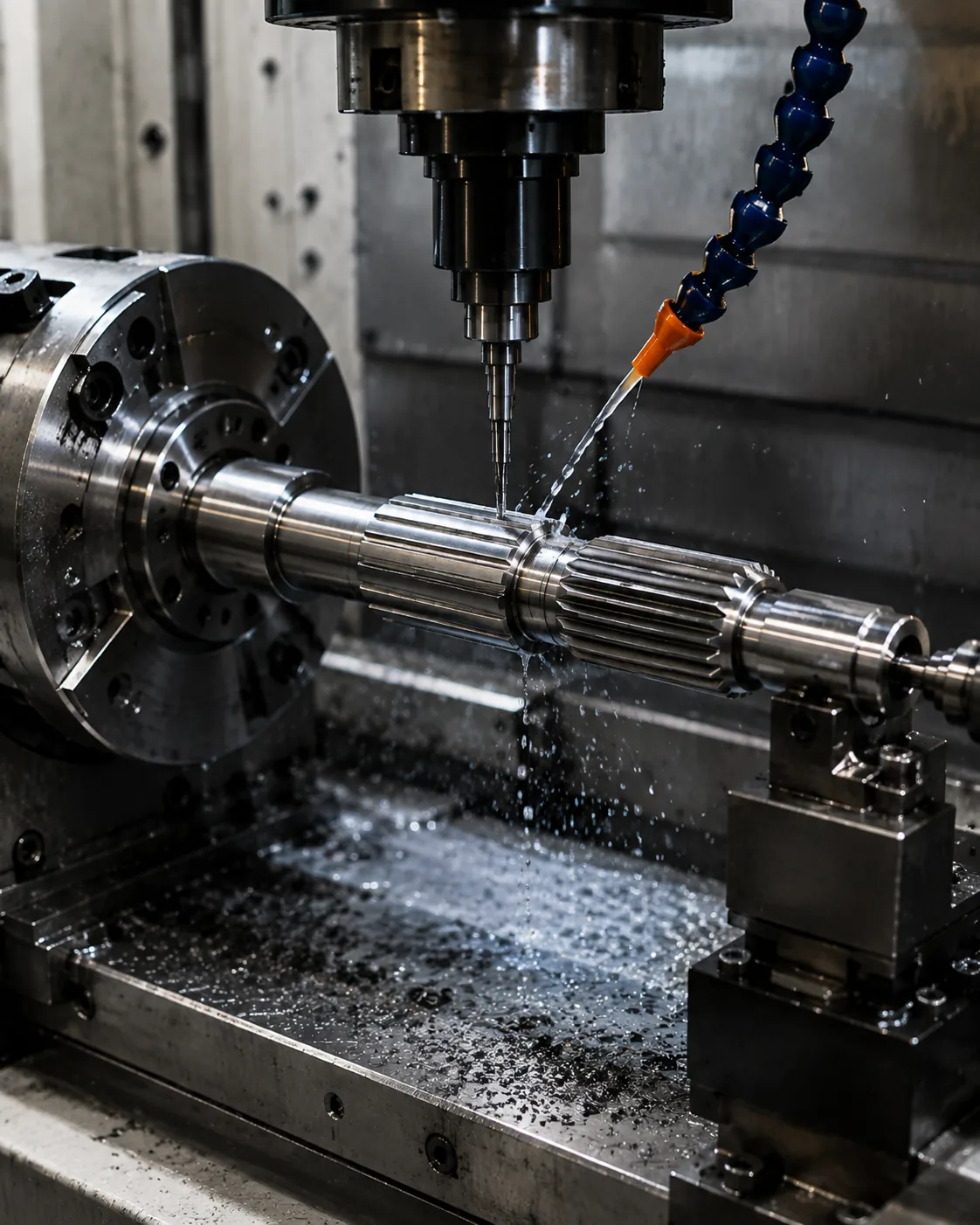
Slepé verzus priame vnútorné drážkovanie
Slepé verzus priame vnútorné drážkovanie by sa mali posudzovať v kontexte tvarovania drážok verzus preťahovania. Identifikujte spájací komponent, prevádzkovú funkciu a prvok výkresu, ktoré toto rozhodnutie riadi. Požiadavka by mala byť merateľná a prepojená s uložením, prenosom krútiaceho momentu, zarovnaním, opotrebením alebo inou definovanou potrebou montáže.
Zvážte rozhodnutie spolu so stavom materiálu, postupnosťou výroby a prístupom pre kontrolu. Ak je diel náhradným dielom, porovnajte neopotrebovanú geometriu a spojovací prvok namiesto kopírovania poškodenia. Pri nových návrhoch ponechajte otvorené a flexibilné možnosti procesov, pokiaľ návrh nevyžaduje špecifický proces. Pri opakovaných prácach ponechajte rovnaký vzťažný bod a základ merania, pokiaľ sa nezmenia požiadavky na montáž. V RFQ na tvarovanie drážok verzus preťahovanie ponechajte tento bod prepojený s spojovacím prvkom, schémou vzťažných bodov a metódou prevzatia hotového dielu.
Rozsah veľkostí a zdvih stroja
Rozsah veľkostí a zdvih stroja by sa mali posudzovať v kontexte tvarovania drážok verzus preťahovania. Identifikujte spájací komponent, prevádzkovú funkciu a prvok výkresu, ktoré toto rozhodnutie riadi. Požiadavka by mala byť merateľná a prepojená s uložením, prenosom krútiaceho momentu, zarovnaním, opotrebením alebo inou definovanou potrebou montáže.
Zvážte rozhodnutie spolu so stavom materiálu, postupnosťou výroby a prístupom pre kontrolu. Ak je diel náhradným dielom, porovnajte neopotrebovanú geometriu a spojovací prvok namiesto kopírovania poškodenia. Pri nových návrhoch ponechajte otvorené flexibilné možnosti procesov, pokiaľ návrh nevyžaduje špecifický proces. Keď sa zmení úloha alebo spojovací prvok, prehodnoťte tento bod namiesto toho, aby ste preniesli predchádzajúci predpoklad. V prípade tvarovania drážok verzus preťahovania pre vnútorné drážkované prvky zaznamenajte výslednú požiadavku do výkresu alebo špecifikácie nákupu, aby zostala konzistentná aj pri opakovaných objednávkach.
Stav materiálu
Stav materiálu by sa malo vyberať na základe zaťaženia, veľkosti prierezu, kalenia, rázovej odolnosti, požiadaviek na opotrebenie a plánovaného výrobného postupu. Druh materiálu a tepelné spracovanie tvoria spoločné rozhodnutie; oceľ s vyšším obsahom legovaných kovov nie je automaticky lepšou voľbou, ak si to nevyžaduje prevádzková odolnosť a geometria.
Výkres by mal uvádzať požadované označenie materiálu a konečný stav. Ak je povolená náhrada materiálu, definujte vlastnosti alebo schvaľovací proces, ktorý ju riadi. V prípade hriadeľov s viacerými priemermi alebo integrovaných ozubených kolies zvážte aj to, ako postup tepelného spracovania ovplyvňuje priamosť a neskoršiu úpravu. V tejto téme prepojte toto rozhodnutie s priradeným komponentom a revíziou výkresu použitou pre RFQ. V prípade tvarovania drážok verzus preťahovania pre vnútorné drážkované prvky zaznamenajte výslednú požiadavku do výkresu alebo špecifikácie nákupu, aby zostala konzistentná aj pri opakovaných objednávkach.
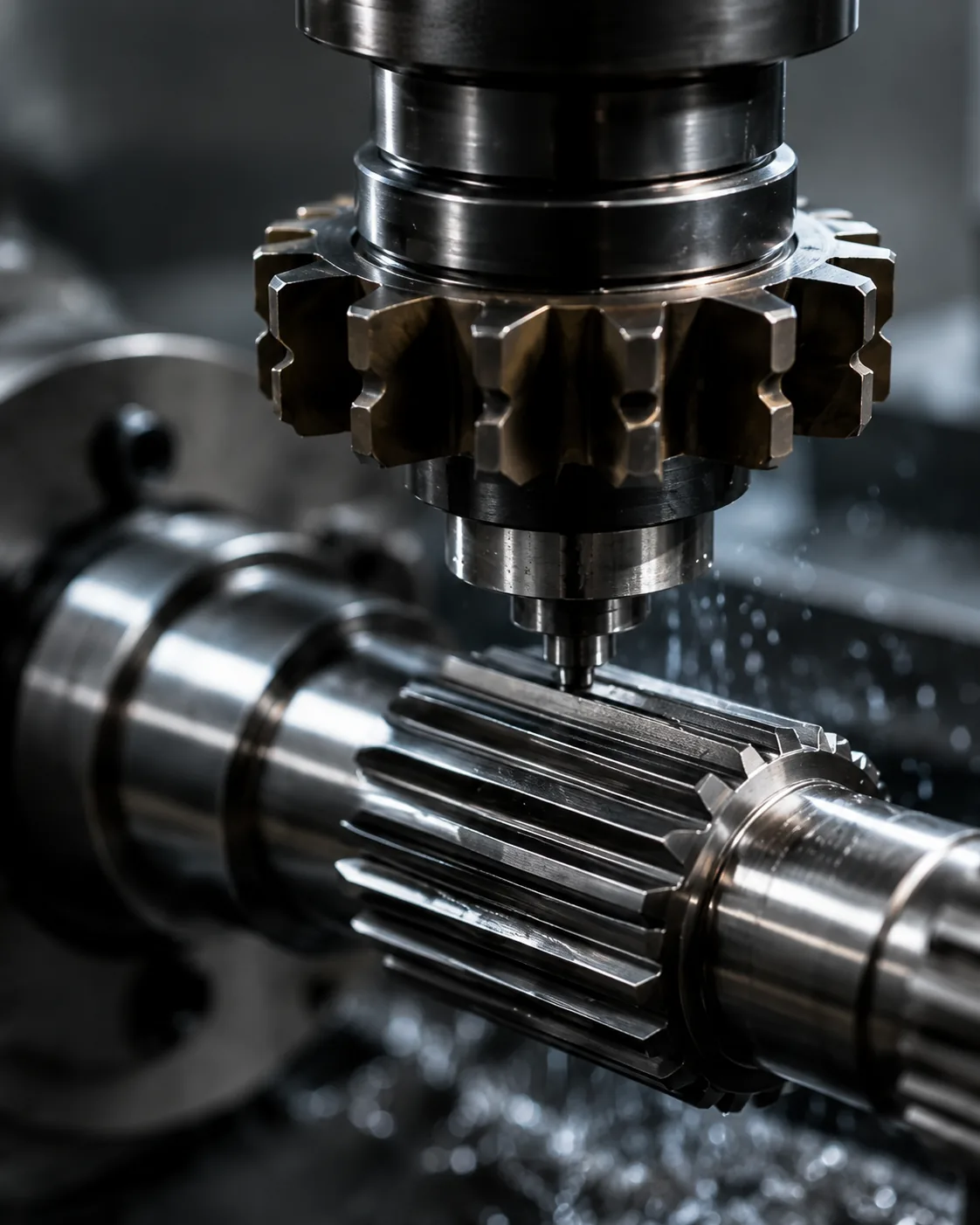
Dodacia lehota nástrojov
Dodacia lehota nástrojov je výrobné rozhodnutie, ktoré závisí od geometrie zuba, prístupu, stavu materiálu, objemu výroby a požadovanej presnosti. Vonkajšie a vnútorné drážkovanie často vyžaduje rôzne stratégie obrábania a ramená alebo susediace priemery môžu obmedziť prístup nástroja.
Najprv definujte geometriu hotového zuba a metódu prijatia a potom vyberte kvalifikovaný proces, ktorý ich dokáže efektívne dosiahnuť. Tepelné spracovanie môže zmeniť postupnosť: hrubé alebo mäkké rezanie môže nastať pred kalením, zatiaľ čo brúsenie alebo iná metóda tvrdej povrchovej úpravy je vyhradená pre prvky, ktoré vyžadujú korekciu po tepelnej deformácii. V tomto prehľade je užitočným kritériom prijatia to, ktoré možno vysledovať k funkčnej charakteristike výkresu. Pri prehľade tvarovania drážok oproti preťahovaniu sa k tomuto bodu vrátite vždy, keď sa zmení spojovací komponent, stav materiálu alebo prevádzková záťaž.
Praktická postupnosť prehľadov
Praktická postupnosť kontroly začína spojovacím komponentom a dráhou krútiaceho momentu, potom sa potvrdzuje ozubený systém, záber a prvky hriadeľa, ktoré lokalizujú spojenie. Ďalej sa definuje materiál a tepelné spracovanie, funkčné povrchové úpravy a akékoľvek požiadavky na hádzanie alebo polohu. Pri opakovanej práci sa zachováva rovnaký vzťažný bod a základ merania, pokiaľ sa nezmenia požiadavky na montáž. V prípade tvarovania drážok verzus preťahovania pre vnútorné drážkované prvky sa táto kontrola aplikuje na konkrétne rozhranie tvarovania drážok verzus preťahovania zobrazené na aktuálnom výkrese.
Dokončite odsúhlasením metódy kontroly, množstva a dokumentácie prvého výrobku. Táto objednávka zabraňuje prijímaniu rozhodnutí o procese alebo toleranciách pred pochopením funkčného rozhrania a uľahčuje porovnávanie cenových ponúk, pretože každému dodávateľovi sa predkladajú rovnaké konštrukčné vstupy. Keď sa zmení úloha alebo párovací člen, namiesto toho, aby ste preniesli predchádzajúci predpoklad, sa k tomuto bodu vrátite. V prípade tvarovania drážok verzus preťahovania pre vnútorné drážkované prvky použite túto kontrolu na konkrétne rozhranie tvarovania drážok verzus preťahovania zobrazené na aktuálnom výkrese.
Prístup k inšpekcii
Prístup k inšpekcii by sa mala používať metóda, ktorá meria charakteristiku výkresu priamo alebo funkčne. Funkčné meradlá, analytické meranie zubov, kontrola súradnicovým meracím strojom, merania rozpätia a merania cez čapy alebo guľôčky odpovedajú na rôzne otázky a nie sú štandardne zameniteľné.
Pred výrobou sa dohodnite na metóde, ak sú tolerancie prísne alebo ak zákazník a dodávateľ používajú rôzne zariadenia. Pre opakovateľnosť kontrolujte teplotu, čistotu a kalibráciu meradla. V správe o kontrole by sa mala identifikovať revízia výkresu a nastavenie vzťažných bodov, aby bolo možné neskoršie série porovnávať na rovnakom základe. V tejto téme prepojte toto rozhodnutie so zodpovedajúcim komponentom a revíziou výkresu použitou pre RFQ. V prípade tvarovania drážok verzus preťahovania pre vnútorné drážkované prvky použite túto kontrolu na konkrétne rozhranie tvarovania drážok verzus preťahovania zobrazené na aktuálnom výkrese.
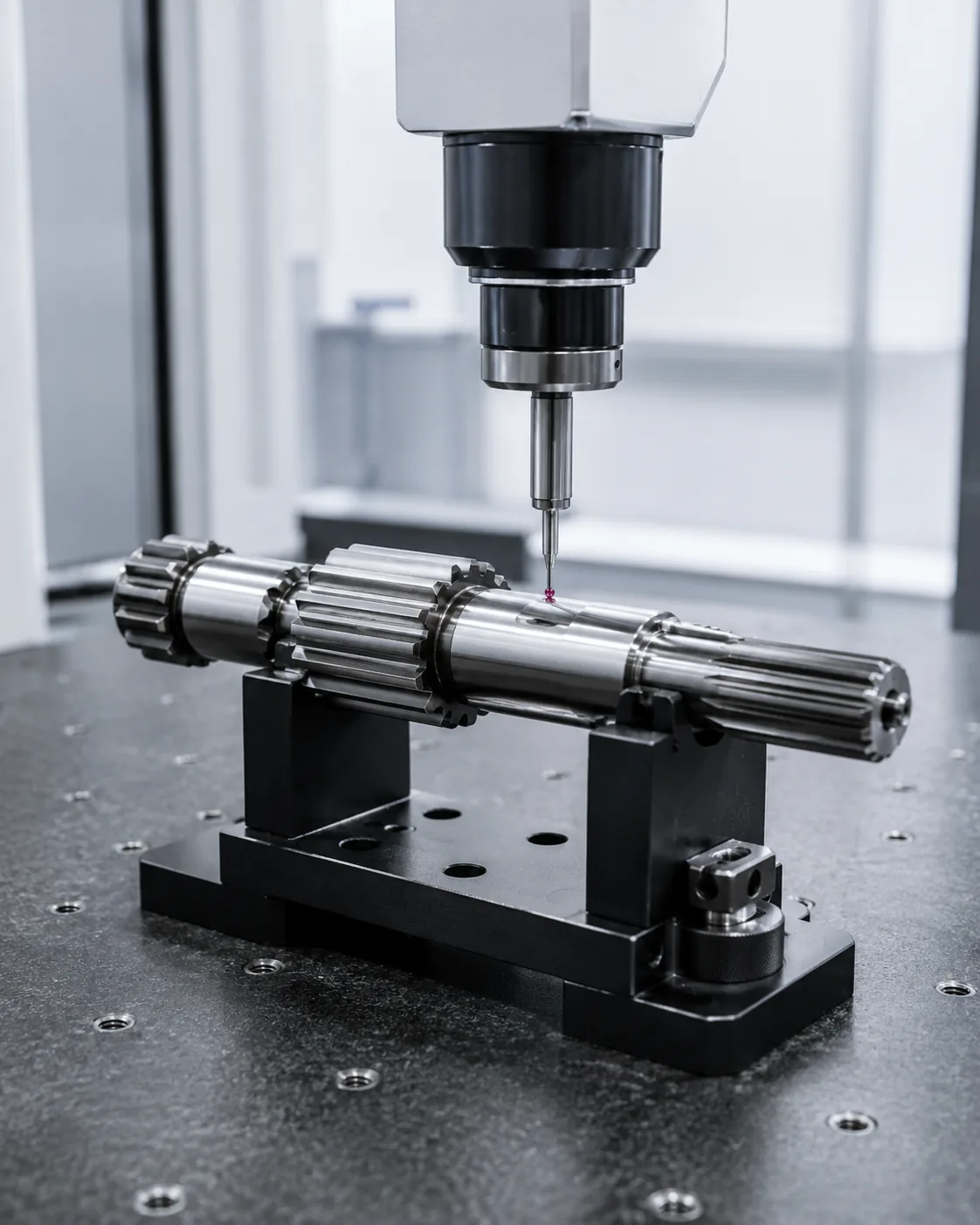
Alternatívy ako napríklad skiving alebo EDM, kde je to vhodné
Alternatívy ako napríklad skiving alebo EDM, kde je to vhodné je výrobné rozhodnutie, ktoré závisí od geometrie zuba, prístupu, stavu materiálu, objemu výroby a požadovanej presnosti. Vonkajšie a vnútorné drážkovanie často vyžaduje rôzne stratégie obrábania a ramená alebo susediace priemery môžu obmedziť prístup nástroja.
Najprv definujte geometriu hotového zuba a metódu prijatia a potom vyberte kvalifikovaný proces, ktorý ich dokáže efektívne dosiahnuť. Tepelné spracovanie môže zmeniť postupnosť: hrubé alebo mäkké rezanie môže nastať pred kalením, zatiaľ čo brúsenie alebo iná metóda tvrdého dokončovania je vyhradená pre prvky, ktoré vyžadujú korekciu po tepelnej deformácii. V tomto prehľade je užitočným kritériom prijatia to, ktoré možno vysledovať k funkčnej charakteristike výkresu. V RFQ na tvarovanie drážkovaním verzus preťahovanie udržujte tento bod viazaný na zodpovedajúci prvok, schému vzťažných bodov a metódu prijatia hotového dielu.
Bežné chyby, ktorým sa treba vyhnúť
Bežné chyby pri tvarovaní drážok oproti preťahovaniu vznikajú zo zaobchádzania s jednou nominálnou hodnotou, akoby definovala celé rozhranie. Chýbajúci uhol tlaku, nejasné vzťažné body, kopírované rozmery opotrebenia, nešpecifikované miesto tvrdosti a nezodpovedajúce metódy kontroly môžu viesť k tomu, že diely vyzerajú na papieri správne, ale nie sú zostavené konzistentne.
Lepšia kontrola začína párovým spojom, identifikuje dráhu zaťaženia a lokalizačné prvky a potom prepojí geometriu, stav materiálu a kontrolu s týmito funkciami. Pred výrobou uzavrite otvorené otázky týkajúce sa výkresu a pri opakovaných objednávkach zachovajte dohodnutú interpretáciu s revíziou. Pri opakovaných prácach zachovajte rovnaký vzťažný bod a základ merania, pokiaľ sa nezmenia požiadavky na montáž. V prípade tvarovania drážok verzus preťahovania pre vnútorné drážkované prvky zaznamenajte výslednú požiadavku do výkresu alebo špecifikácie nákupu, aby zostala konzistentná aj pri opakovaných objednávkach.
Zhrnutie rozhodnutia
| Oblasť rozhodovania | Čo potvrdiť | Prečo je to dôležité |
|---|---|---|
| Párovacia geometria | Ozubený systém, priemery, záber a uloženie | Kompatibilita ovládacích prvkov a bočný kontakt |
| Poloha | Vzťažné body, čapy, ramená a hádzanie | Riadi zarovnanie v zostave |
| Stav materiálu | Trieda, tepelné spracovanie, tvrdosť a povrchová úprava | Definuje konečný mechanický stav a stav opotrebenia |
| Povinnosť | Krútiaci moment, rýchlosť, nárazy, pohyb a prostredie | Prepája definíciu súčiastky s prevádzkovými podmienkami |
| Inšpekcia | Kontrolované charakteristiky a metóda merania | Udržiava konzistentné prijatie medzi dodávateľom a kupujúcim |
Kontrolný zoznam špecifikácií
- Párovaný komponent a vonkajšia/vnútorná orientácia zubov
- Modulový alebo rozstupový systém, počet zubov, uhol tlaku a hlavné/vedľajšie priemery
- Účinné zapojenie, uloženie alebo základ tolerancie a axiálny pohyb, ak je to potrebné
- Materiál, tepelné spracovanie, umiestnenie tvrdosti a funkčné povrchové úpravy
- Požiadavky na referenčné body, priemery ložísk alebo pilotov, hádzanie a axiálne umiestnenie
- Krútiaci moment, rýchlosť, rázové alebo reverzné zaťaženie, mazanie a prevádzkové prostredie
- Množstvo, požiadavky na prvý výrobok a dohodnutá dokumentácia o kontrole
Použite sortiment drážkových hriadeľov porovnať dostupné konfigurácie a Kontrolný zoznam výkresov RFQ na prípravu kompletného dopytu. Keď sa zmení zodpovedný alebo spojený člen, namiesto toho, aby ste prenášali predchádzajúci predpoklad, sa k tomuto bodu vrátite. V prípade tvarovania drážok verzus preťahovania pre vnútorné drážkované prvky zaznamenajte výslednú požiadavku do výkresu alebo špecifikácie nákupu, aby zostala konzistentná aj pri opakovaných objednávkach.
Technický pracovný list pre tvarovanie drážok verzus preťahovanie
Použite tento pracovný list na otočenie Tvarovanie drážok vs. preťahovanie pre vnútorné drážkované prvky do rozhodnutí, ktoré je možné zobraziť na výkrese, skontrolovať počas cenovej ponuky a overiť pri prvom výrobku. Začnite s Prístup k nástroju na tvarovanie a Investície a objem Broach, pretože tieto dve položky zvyčajne definujú buď párovaciu geometriu, alebo materiálové podmienky, ktoré musí zvyšok procesu podporovať. Potom si to prečítajte Slepé verzus priame vnútorné drážkovanie, Rozsah veľkostí a zdvih stroja a Stav materiálu oproti skutočnej montáži, namiesto toho, aby sa s nimi zaobchádzalo ako s nezávislými katalógovými hodnotami.
Pri rozhodovaní o výrobnom procese vychádzajte z geometrie hotového zuba a podmienok prístupu. Všimnite si, či je drážkovanie vonkajšie alebo vnútorné, priechodné alebo slepé, blízko ramena, integrované s ozubeným kolesom alebo obmedzené susednými priemermi. Tieto obmedzenia ovplyvňujú prístup k nástroju, upnutie obrobku a praktickú voľbu medzi procesmi. Množstvo výroby a stav materiálu ovplyvňujú ekonomiku, ale charakteristika výkresu zostáva cieľom prijatia. V RFQ na tvarovanie drážkovania verzus preťahovanie udržujte tento bod viazaný na zodpovedajúci prvok, schému vzťažných bodov a metódu prijatia hotového dielu.
Zostavte odovzdávanie kontroly okolo slepých a priechodných vnútorných drážok. Definujte nastavenie vzťažných bodov, fázu merania a požiadavky na podávanie správ pred prvým výrobkom. Tepelné spracovanie môže posúvať prvky voči sebe navzájom, takže hádzanie, stúpanie, hrúbku zuba alebo vzťahy medzi nimi môže byť potrebné overiť až po konečnom procese, a nie na mäkko obrobenom polotovare. Ak sa používajú meradlá, dohodnite sa, čo dokazujú a aké analytické kontroly sú stále potrebné.
Postupnosť kontroly výkresu
Pred požiadaním o výrobu si preštudujte výkres v rovnakom poradí, v akom zostava funguje: systém párovania zubov, efektívne zapojenie, umiestnenie referenčných bodov, susediace čapy alebo ramená, materiál a tepelné spracovanie, funkčné povrchové úpravy a metóda kontroly. tvarovanie drážok vs. preťahovanie, poradie je dôležité, pretože neskoršie rozhodnutia, ako je výber procesu alebo výber meradla, by mali rozhranie podporovať, a nie ho predefinovať.
| Položka pracovného hárka | Otázka na odpoveď | Výstup RFQ |
|---|---|---|
| Prístup k nástroju na tvarovanie | Akú funkciu zostavy riadi táto funkcia? | Rozmer, tolerancia alebo referenčné číslo párovania |
| Investície a objem Broach | Aký konečný stav sa musí dosiahnuť? | Popis materiálu / tepelného spracovania / povrchovej úpravy |
| Slepé verzus priame vnútorné drážkovanie | Ako sa overí charakteristika? | Metóda kontroly alebo správa |
| Rozsah veľkostí a zdvih stroja | Ako sa zapojí opačný člen? | Informácie o párení a zapojení |
| Stav materiálu | Ktorý údaj určuje funkčné umiestnenie? | Vzťah medzi referenčným bodom a hádzaním |
Odovzdanie obstarávania pred prvým článkom
Užitočný nákupný balíček pre Tvarovanie drážok vs. preťahovanie pre vnútorné drážkované prvky obsahuje kontrolovaný výkres, množstvo, materiál a podmienky tepelného spracovania, informácie o párovacom rozhraní a charakteristiky prijatia, ktoré je potrebné nahlásiť. Ak je dodaný 3D model, 2D výkres by mal stále obsahovať tolerancie, vzťažné body, poznámky k tepelnému spracovaniu a požiadavky na kontrolu. Identifikujte aktuálnu revíziu v RFQ, aby výroba a kontrola nefungovali z rôznych verzií.
Ak charakteristika ešte nie je určená, označte ju pre technické objasnenie, a nie vkladajte vhodnú hodnotu. Pri tvarovaní drážok oproti preťahovaniu sú bežnými otvorenými položkami záber, uloženie, umiestnenie tvrdosti, hádzanie do susedného čapu, prístup k vnútorným prvkom alebo stav opotrebovaného párovaného komponentu. Vyriešenie týchto bodov pred prvým výrobkom znižuje počet nevyhnutných prepracovaní a uľahčuje kontrolu neskorších opakovaných objednávok.
Kontrolný zoznam pred vydaním
- Skontrolujte prístup tvarovacieho nástroja k skutočnému párovanému komponentu.
- Potvrďte investíciu a objem preťahovania v konečnom stave.
- Definujte, ako sa budú kontrolovať slepé a priechodné vnútorné drážky.
- Skontrolujte rozsah veľkostí a zdvih stroja za predpokladaných montážnych podmienok.
- Vzťahujte materiálový stav k funkčnej štruktúre údajov.
- Uveďte množstvo, úroveň revízie a akékoľvek požiadavky na dokumentáciu k prvému článku.
- Zaznamenajte zmeny v prevádzke, mazaní alebo párovaní hardvéru pre opakované objednávky.
Často kladené otázky
Čo si mám overiť ohľadom prístupu k nástroju na tvarovanie pri tvarovaní drážok v porovnaní s preťahovaním?
Najprv spojte prístup k tvarovaciemu nástroju so zodpovedajúcim komponentom a funkciou zostavy. Merateľnú požiadavku umiestnite do riadeného výkresu a zahrňte protiľahlý prvok, keď kompatibilita závisí od oboch častí. V prípade tvarovania drážok oproti preťahovaniu pre vnútorné drážkované prvky sa zabráni tomu, aby nominálny popis nahradil geometriu, ktorá skutočne riadi uloženie a prenos krútiaceho momentu.
Čo si mám overiť o investícii do preťahovania a objeme pri tvarovaní drážok v porovnaní s preťahovaním?
Potvrďte investíciu do preťahovania a objem v konečnom stave vrátane akéhokoľvek materiálu, tepelného spracovania, povrchu alebo rozmerového stavu, ktorý sa môže po spracovaní zmeniť. Ak požiadavka závisí od miesta alebo údaja, výslovne to preukážte, aby výroba a kontrola používali rovnaký referenčný bod.
Čo si mám overiť ohľadom slepých a priechodných vnútorných drážok pri tvarovaní drážok a preťahovaní?
Vyberte metódu kontroly, ktorá meria charakteristiku uvedenú na výkrese. Funkčné meranie, analytické meranie drážkovania, kontroly súradnicovým měřiacim strojom (CMM), kontrola hádzania, meranie drsnosti a skúška tvrdosti odpovedajú na rôzne otázky. Uveďte, ktorý výsledok je potrebný na prijatie, namiesto toho, aby ste požadovali všeobecnú správu o kontrole. V prípade tvarovania drážkovania verzus preťahovania pre vnútorné drážkované prvky použite túto kontrolu na špecifické rozhranie tvarovania drážkovania verzus preťahovania zobrazené na aktuálnom výkrese.
Čo si mám overiť ohľadom rozsahu veľkostí a zdvihu stroja pri tvarovaní drážok v porovnaní s preťahovaním?
Skontrolujte rozsah veľkostí a zdvih stroja so skutočným párovaným dielom a zamýšľaným stavom montáže. Účinné zapojenie, vôľa, axiálny pohyb, teplota a opotrebenie v náhradnom náboji môžu ovplyvniť správanie spojenia. Nový hriadeľ by sa nemal akceptovať ani zamietnuť len na základe pocitu, ak je k dispozícii merateľná požiadavka na uloženie.
Čo by som mal overiť ohľadom stavu materiálu pri tvarovaní drážok oproti preťahovaniu?
Prepojte stav materiálu s prvkami, ktoré určujú rotáciu v zostave. Výkres by mal jasne uvádzať referenčný bod a akýkoľvek vzťah medzi hádzaním alebo polohou. Ak tepelné spracovanie alebo dokončovacie obrábanie môže posunúť prvok, skontrolujte vzťah v štádiu, ktoré predstavuje hotový diel.
Od inžinierskeho rozhodnutia po riadenie výroby
Po dohode o rozhraní preložte každé funkčné rozhodnutie do výkresovej charakteristiky, ktorú je možné vyrobiť a skontrolovať. Vyhnite sa ponechávaniu kľúčových vzťahov iba v e-mailových poznámkach. Rozmery, vzťažné body, podmienky tepelného spracovania a požiadavky na prijatie by mali byť kontrolované pri revíziách, aby výrobný tím a kontrolný tím pracovali s rovnakou definíciou. Pri opakovaných prácach zachovajte rovnaký vzťažný bod a základ merania, pokiaľ sa nezmenia požiadavky na montáž. V RFQ na tvarovanie drážok verzus preťahovanie udržujte tento bod prepojený s párovacím prvkom, schémou vzťažných bodov a metódou prijatia hotového dielu.
Pri prvých článkoch uprednostnite charakteristiky, ktoré preukazujú kompatibilitu zostavy: geometria zuba, párovanie, vzťah k upevňovacím čapom alebo ramenám, stav tepelného spracovania a akékoľvek kritické hádzanie. Zaznamenajte si metódu merania spolu s výsledkom. Pri opakovaných objednávkach použitie rovnakého nastavenia vzťažných bodov a prístupu k meraniu uľahčuje rozpoznanie zmien trendov a znižuje spory spôsobené rôznymi interpretáciami kontroly. Keď sa zmení pracovná sila alebo párovací člen, namiesto toho, aby ste preniesli predchádzajúci predpoklad, sa k tomuto bodu vrátite. V RFQ na tvarovanie drážok verzus preťahovanie ponechajte tento bod viazaný na párovací člen, schému vzťažných bodov a metódu prevzatia hotového dielu.
Keď sa zmení prevádzková záťaž, namiesto toho, aby ste predpokladali, že stará špecifikácia zostáva vhodná, znovu otvorte inžinierske preskúmanie. Vyšší krútiaci moment, zvýšené rázy, častejšie obrátenia, iné mazanie alebo nový párovací komponent môžu zmeniť kontakt a opotrebenie, aj keď menovitá veľkosť drážky zostane rovnaká. Výkres by sa mal vyvíjať so skutočnou požiadavkou na montáž. V tejto téme prepojte toto rozhodnutie so párovacím komponentom a revíziou výkresu použitou pre RFQ. Pri posudzovaní tvarovania drážky oproti preťahovaniu sa k tomuto bodu vrátite vždy, keď sa zmení párovací komponent, materiálový stav alebo prevádzková záťaž.
Pripravte si výzvu na cenovú ponuku (RFQ)
- Aktuálny 2D výkres a revízia
- Definícia párovacieho komponentu a spline
- Materiál, tepelné spracovanie a funkčné povrchové úpravy
- Krútiaci moment, rýchlosť, zaťaženie a prostredie
- Množstvo a požadovaná dokumentácia o kontrole
Kompletný dopyt kombinuje výkres, párové rozhranie, stav materiálu, pracovnú dobu, množstvo a očakávania kontroly. Keď sú tieto vstupy definované včas, dodávatelia môžu plánovať nástroje, tepelné spracovanie, konečnú úpravu a meranie podľa rovnakej funkčnej požiadavky, čím sa skracujú cykly objasňovania pred prvým výrobkom. V tomto preskúmaní je užitočným akceptačným kritériom to, ktoré možno vysledovať k funkčnej charakteristike výkresu. Pre porovnanie tvarovania drážok s preťahovaním pre vnútorné drážkované prvky aplikujte túto kontrolu na konkrétne rozhranie tvarovania drážok s preťahovaním zobrazené na aktuálnom výkrese.
Premeňte sprievodcu na výzvu na cenovú ponuku (RFQ)
Pošlite kontrolovaný výkres, párovacie rozhranie, stav materiálu a informácie o prevádzke na technické posúdenie.
Vyžiadať cenovú ponuku