Modellatura delle scanalature vs. brocciatura per elementi interni delle scanalature — Sia la sagomatura che la brocciatura possono produrre scanalature interne, ma si adattano a geometrie, volumi ed economie di scala differenti. Fori passanti, elementi ciechi, lunghezza del pezzo, forma del dente, quantità di produzione e possibilità di ispezione influenzano la scelta del processo più pratico.
Per sagomatura delle scanalature vs brocciaturaLa specifica più affidabile è quella che progettista, acquirente, produttore e ispettore possono interpretare allo stesso modo. La discussione che segue si concentra su input di disegno misurabili, condizioni di assemblaggio e verifiche pratiche, piuttosto che su valori universali di coppia, accoppiamento o durata che non possono essere determinati senza dati completi sulla geometria e sul funzionamento.
Accesso allo strumento di sagomatura
Accesso allo strumento di sagomatura Si tratta di una decisione di produzione che dipende dalla geometria del dente, dall'accessibilità, dalle condizioni del materiale, dal volume di produzione e dalla precisione richiesta. Le scanalature esterne e interne spesso richiedono strategie di utensileria diverse e le spalle o i diametri adiacenti possono limitare l'avvicinamento dell'utensile.
Definire innanzitutto la geometria finale del dente e il metodo di accettazione, quindi selezionare un processo qualificato in grado di realizzarli in modo efficiente. Il trattamento termico può modificare la sequenza: la sgrossatura o la lavorazione di finitura possono avvenire prima della tempra, mentre la rettifica o un altro metodo di finitura dura sono riservati alle caratteristiche che richiedono una correzione dopo la deformazione termica. Per questo argomento, collegare tale decisione al componente di accoppiamento e alla revisione del disegno utilizzata per la richiesta di offerta. Quando si valuta la sagomatura delle scanalature rispetto alla brocciatura, rivedere questo punto ogni qualvolta cambiano il componente di accoppiamento, le condizioni del materiale o l'applicazione.
Investimento e volume di Brouch
Investimento e volume di Brouch La questione dovrebbe essere esaminata nel contesto della formatura delle scanalature rispetto alla brocciatura. Identificare il componente di accoppiamento, la funzione operativa e la caratteristica del disegno che questa decisione controlla. Il requisito deve essere misurabile e collegato all'accoppiamento, al trasferimento di coppia, all'allineamento, all'usura o ad un'altra esigenza di assemblaggio definita.
Considerare la decisione insieme alle condizioni del materiale, alla sequenza di produzione e all'accessibilità per l'ispezione. Se il pezzo è un ricambio, confrontare la geometria del componente non usurato con quella del componente di accoppiamento anziché copiare il danno. Per i nuovi progetti, mantenere flessibili le opzioni di processo, a meno che un processo specifico non sia richiesto dal progetto stesso. In questa revisione, il criterio di accettazione utile è quello che può essere ricondotto a una caratteristica funzionale del disegno. Quando si valuta la formatura scanalata rispetto alla brocciatura, rivedere questo punto ogni qualvolta cambiano il componente di accoppiamento, le condizioni del materiale o l'applicazione.
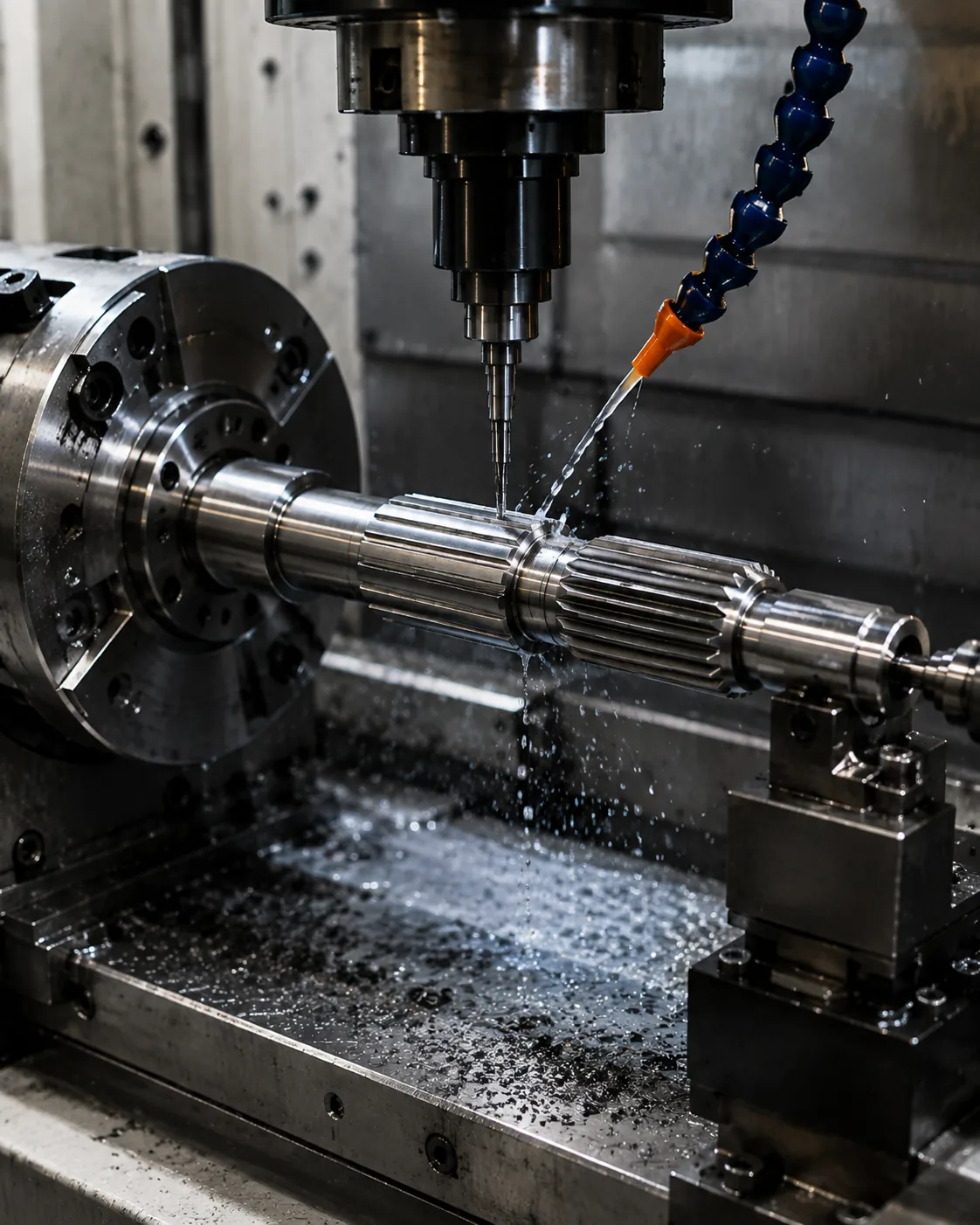
Spline interne cieche contro spline interne passanti
Spline interne cieche contro spline interne passanti La questione dovrebbe essere esaminata nel contesto della formatura delle scanalature rispetto alla brocciatura. Identificare il componente di accoppiamento, la funzione operativa e la caratteristica del disegno che questa decisione controlla. Il requisito deve essere misurabile e collegato all'accoppiamento, al trasferimento di coppia, all'allineamento, all'usura o ad un'altra esigenza di assemblaggio definita.
Considerare la decisione insieme alle condizioni del materiale, alla sequenza di produzione e all'accesso per l'ispezione. Se il pezzo è un ricambio, confrontare la geometria non usurata con quella del componente di accoppiamento anziché copiare il danno. Per i nuovi progetti, mantenere flessibili le opzioni di processo, a meno che un processo specifico non sia richiesto dal progetto stesso. Per le lavorazioni ripetute, mantenere lo stesso sistema di riferimento e la stessa base di misurazione, a meno che non cambino i requisiti di assemblaggio. In una richiesta di offerta per la formatura di scanalature rispetto alla brocciatura, mantenere questo punto collegato al componente di accoppiamento, allo schema di riferimento e al metodo di accettazione del pezzo finito.
Gamma di dimensioni e corsa della macchina
Gamma di dimensioni e corsa della macchina La questione dovrebbe essere esaminata nel contesto della formatura delle scanalature rispetto alla brocciatura. Identificare il componente di accoppiamento, la funzione operativa e la caratteristica del disegno che questa decisione controlla. Il requisito deve essere misurabile e collegato all'accoppiamento, al trasferimento di coppia, all'allineamento, all'usura o ad un'altra esigenza di assemblaggio definita.
Valutare la decisione tenendo conto delle condizioni del materiale, della sequenza di produzione e dell'accessibilità per l'ispezione. Se il pezzo è un ricambio, confrontare la geometria del componente non usurato con quella del componente di accoppiamento anziché copiare il danno. Per i nuovi progetti, mantenere flessibili le opzioni di processo, a meno che un processo specifico non sia richiesto dal progetto stesso. Quando la funzione o il componente di accoppiamento cambiano, riconsiderare questo punto anziché basarsi sull'ipotesi precedente. Per la sagomatura delle scanalature rispetto alla brocciatura per le scanalature interne, registrare il requisito risultante sul disegno o sulla specifica di acquisto in modo che rimanga coerente negli ordini successivi.
Condizioni del materiale
Condizioni del materiale La scelta del materiale deve essere effettuata in base al carico, alle dimensioni della sezione, alla risposta all'indurimento, alla resistenza all'impatto, ai requisiti di usura e al processo produttivo previsto. La qualità del materiale e il trattamento termico costituiscono una decisione congiunta; un acciaio ad alta lega non è automaticamente una scelta migliore se il carico di lavoro e la geometria non lo richiedono.
Il disegno deve indicare la designazione del materiale richiesto e la condizione finale. Se è consentita una sostituzione del materiale, definire le proprietà o la procedura di approvazione che la regolano. Per alberi con diametri multipli o ingranaggi integrati, considerare anche come il trattamento termico influisce sulla rettilineità e sulla successiva finitura. A tal proposito, collegare tale decisione al componente di accoppiamento e alla revisione del disegno utilizzata per la richiesta di offerta. Per la sagomatura o la brocciatura delle scanalature interne, registrare il requisito risultante sul disegno o sulla specifica di acquisto in modo che rimanga coerente negli ordini successivi.
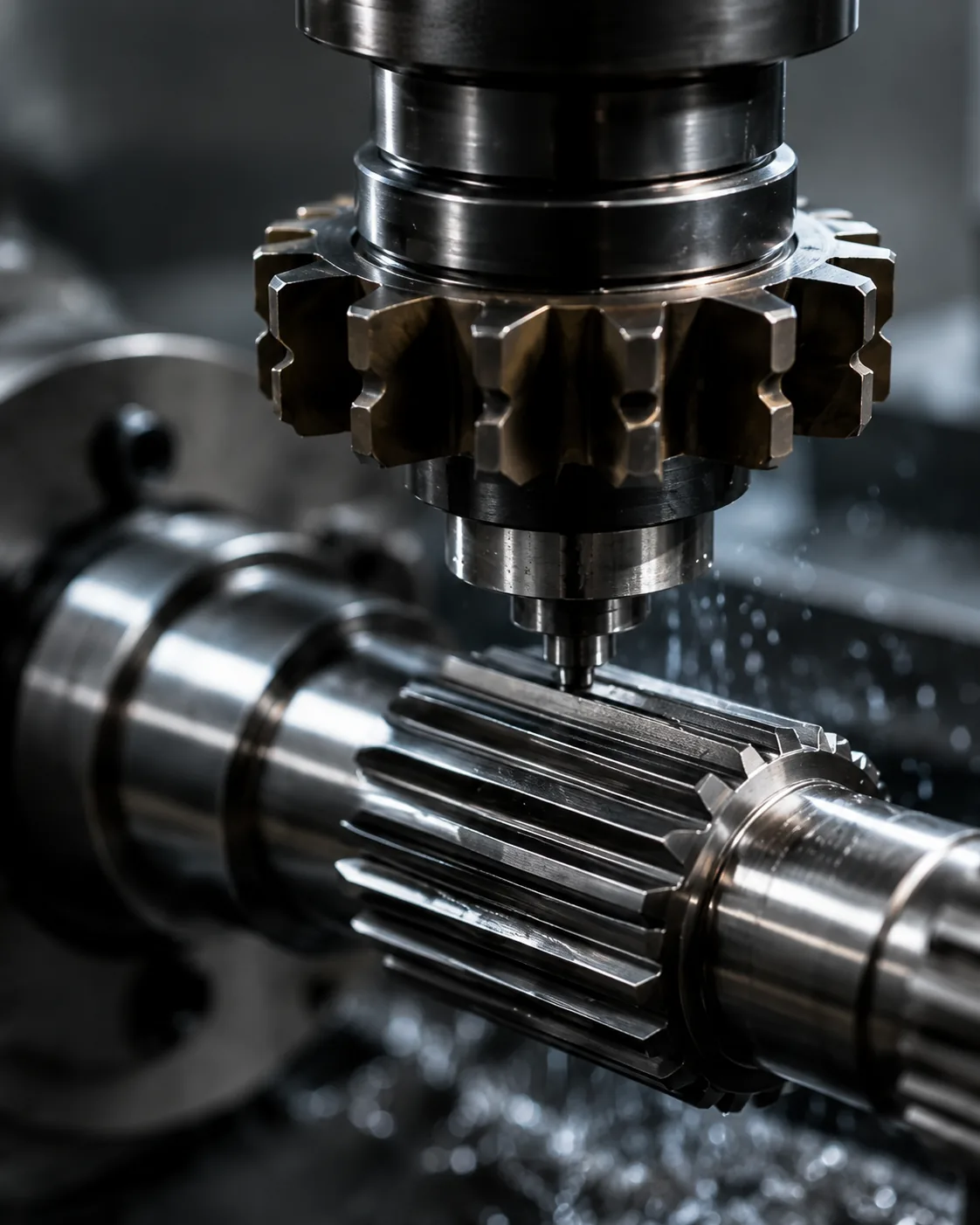
Tempi di consegna degli utensili
Tempi di consegna degli utensili Si tratta di una decisione di produzione che dipende dalla geometria del dente, dall'accessibilità, dalle condizioni del materiale, dal volume di produzione e dalla precisione richiesta. Le scanalature esterne e interne spesso richiedono strategie di utensileria diverse e le spalle o i diametri adiacenti possono limitare l'avvicinamento dell'utensile.
Definire innanzitutto la geometria finale del dente e il metodo di accettazione, quindi selezionare un processo qualificato in grado di realizzarli in modo efficiente. Il trattamento termico può modificare la sequenza: la sgrossatura o la lavorazione di finitura possono avvenire prima della tempra, mentre la rettifica o un altro metodo di finitura dura sono riservati alle caratteristiche che richiedono una correzione dopo la deformazione termica. In questa analisi, il criterio di accettazione utile è quello riconducibile a una caratteristica funzionale del disegno. Quando si confrontano la formatura delle scanalature e la brocciatura, è opportuno rivedere questo punto ogni qualvolta cambiano il componente di accoppiamento, le condizioni del materiale o l'applicazione.
Una sequenza di revisione pratica
Una sequenza di revisione pratica inizia con il componente di accoppiamento e il percorso di coppia, quindi conferma il sistema di dentatura, l'ingranamento e le caratteristiche dell'albero che posizionano il collegamento. Successivamente, si definiscono il materiale e il trattamento termico, le finiture funzionali e gli eventuali requisiti di eccentricità o posizionamento. Per le lavorazioni ripetitive, mantenere lo stesso punto di riferimento e la stessa base di misurazione a meno che non cambino i requisiti di assemblaggio. Per la sagomatura o la brocciatura delle scanalature interne, applicare questo controllo alla specifica interfaccia di sagomatura o brocciatura delle scanalature mostrata nel disegno corrente.
Concludete concordando il metodo di ispezione, la quantità e la documentazione del primo articolo. Questo ordine impedisce che vengano prese decisioni sul processo o sulle tolleranze prima che l'interfaccia funzionale sia compresa e semplifica il confronto dei preventivi, poiché gli stessi input di progettazione vengono presentati a ciascun fornitore. Quando la funzione o l'elemento di accoppiamento cambiano, rivedete questo punto invece di riproporre l'ipotesi precedente. Per la sagomatura o la brocciatura delle scanalature interne, applicate questo controllo alla specifica interfaccia di sagomatura o brocciatura delle scanalature mostrata nel disegno corrente.
Accesso per ispezione
Accesso per ispezione È necessario utilizzare un metodo che misuri la caratteristica del disegno direttamente o funzionalmente. I calibri funzionali, la misurazione analitica dei denti, l'ispezione CMM, le misurazioni della distanza tra gli elementi e le misurazioni su perni o sfere rispondono a domande diverse e non sono automaticamente intercambiabili.
Definire il metodo prima della produzione quando le tolleranze sono strette o quando cliente e fornitore utilizzano attrezzature diverse. Controllare la temperatura, la pulizia e la calibrazione del calibro per garantire la ripetibilità. Il rapporto di ispezione deve identificare la revisione del disegno e la configurazione dei riferimenti in modo che i lotti successivi possano essere confrontati sulla stessa base. Per questo argomento, collegare tale decisione al componente di accoppiamento e alla revisione del disegno utilizzata per la richiesta di offerta. Per la sagomatura o la brocciatura delle scanalature interne, applicare questo controllo all'interfaccia specifica di sagomatura o brocciatura delle scanalature mostrata nel disegno corrente.
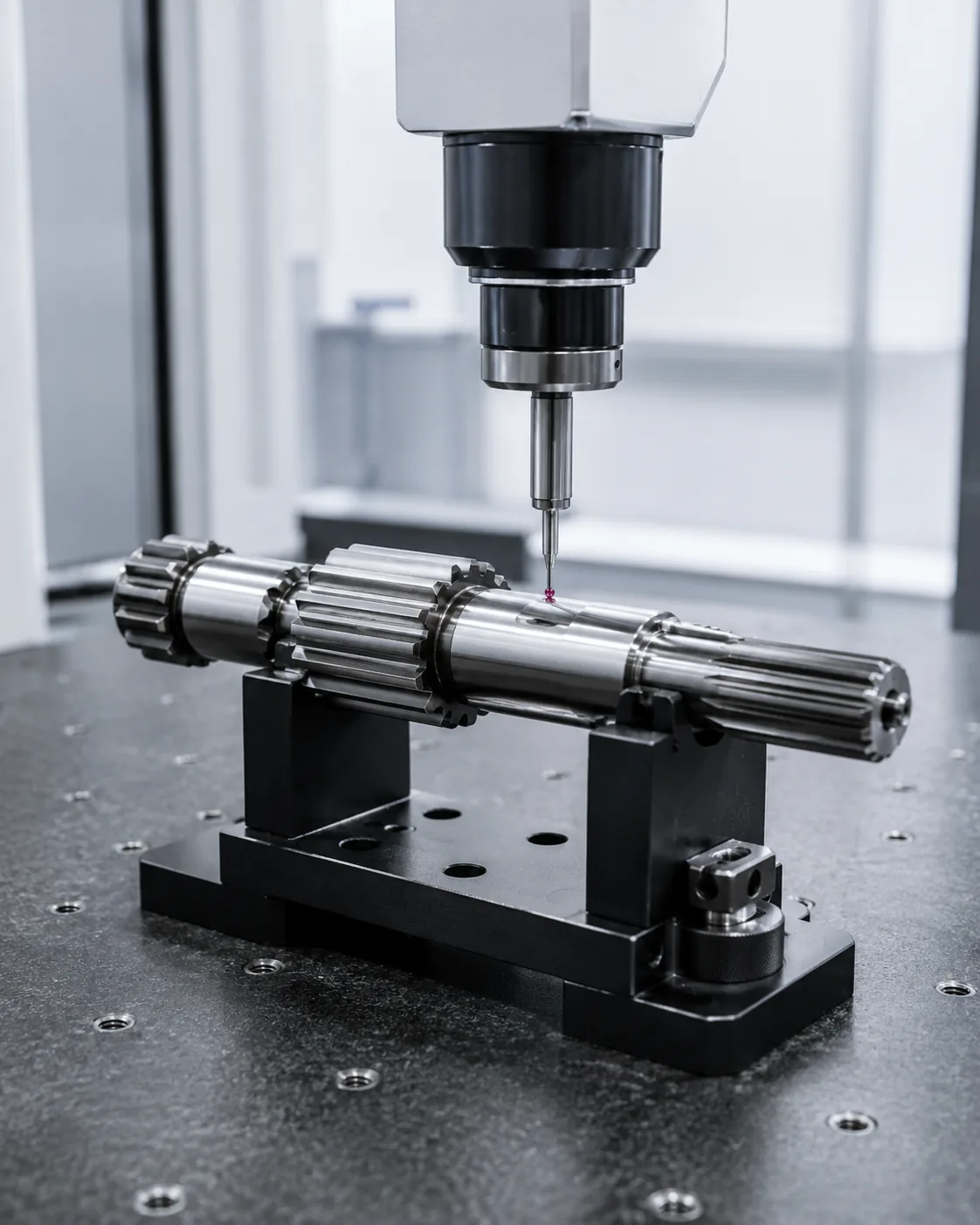
Alternative come Skiving o EDM, ove appropriato
Alternative come Skiving o EDM, ove appropriato Si tratta di una decisione di produzione che dipende dalla geometria del dente, dall'accessibilità, dalle condizioni del materiale, dal volume di produzione e dalla precisione richiesta. Le scanalature esterne e interne spesso richiedono strategie di utensileria diverse e le spalle o i diametri adiacenti possono limitare l'avvicinamento dell'utensile.
Definire innanzitutto la geometria finale del dente e il metodo di accettazione, quindi selezionare un processo qualificato in grado di realizzarli in modo efficiente. Il trattamento termico può modificare la sequenza: la sgrossatura o la lavorazione di finitura possono avvenire prima della tempra, mentre la rettifica o un altro metodo di finitura dura sono riservati alle caratteristiche che richiedono una correzione dopo la deformazione termica. In questa analisi, il criterio di accettazione utile è quello che può essere ricondotto a una caratteristica funzionale del disegno. In una richiesta di offerta per la formatura o la brocciatura di una scanalatura, è importante che questo punto sia collegato all'elemento di accoppiamento, allo schema di riferimento e al metodo di accettazione del pezzo finito.
Errori comuni da evitare
Gli errori più comuni nella lavorazione delle scanalature rispetto alla brocciatura derivano dal considerare un singolo valore nominale come se definisse l'intera interfaccia. Un angolo di pressione mancante, riferimenti poco chiari, dimensioni di usura copiate, posizione della durezza non specificata e metodi di ispezione non corrispondenti possono dare origine a componenti che sembrano corretti sulla carta ma che non si assemblano in modo coerente.
Una revisione più accurata inizia con la coppia di accoppiamento, identifica il percorso di carico e le caratteristiche di posizionamento, quindi collega la geometria, le condizioni del materiale e l'ispezione a tali funzioni. Risolvere i quesiti aperti sul disegno prima della produzione e conservare l'interpretazione concordata con la revisione per gli ordini ripetuti. Per le lavorazioni ripetute, mantenere lo stesso sistema di riferimento e la stessa base di misurazione a meno che non cambino i requisiti di assemblaggio. Per la sagomatura o la brocciatura delle scanalature interne, registrare il requisito risultante sul disegno o sulla specifica di acquisto in modo che rimanga coerente negli ordini ripetuti.
Riepilogo della decisione
| Area decisionale | Cosa confermare | Perché è importante |
|---|---|---|
| Geometria di accoppiamento | Sistema dentato, diametri, innesto e adattamento | Compatibilità dei controlli e contatto laterale |
| Posizione | Riferimenti, perni, spalle e concentricità | Controlla l'allineamento nell'assemblaggio |
| Condizioni materiali | Grado, trattamento termico, durezza e finitura | Definisce le condizioni meccaniche e di usura finali |
| Dovere | Coppia, velocità, urto, movimento e ambiente | Collega la definizione del componente alle condizioni operative. |
| Ispezione | Caratteristiche controllate e metodo di misurazione | Garantisce la coerenza dell'accettazione tra fornitore e acquirente |
Lista di controllo delle specifiche
- Componente di accoppiamento e orientamento del dente esterno/interno
- Sistema di moduli o passi, numero di denti, angolo di pressione e diametri maggiore/minore.
- Impegno effettivo, base di adattamento o tolleranza e movimento assiale se necessario
- Materiale, trattamento termico, posizione della durezza e finiture superficiali funzionali
- Requisiti relativi a punti di riferimento, diametri dei cuscinetti o dei perni di centraggio, eccentricità e posizione assiale.
- Coppia, velocità, carico d'urto o di inversione, lubrificazione e ambiente operativo
- Quantità, requisiti del primo articolo e documentazione di ispezione concordata
Utilizzare il Gamma di prodotti per alberi scanalati per confrontare le configurazioni disponibili e la Lista di controllo per la redazione della richiesta di offerta (RFQ) Per preparare una richiesta completa. Quando il componente o l'elemento di accoppiamento cambia, rivedere questo punto invece di mantenere l'ipotesi precedente. Per la sagomatura o la brocciatura delle scanalature interne, registrare il requisito risultante sul disegno o sulla specifica di acquisto in modo che rimanga coerente negli ordini successivi.
Foglio di lavoro di ingegneria per la formatura di scanalature rispetto alla brocciatura
Utilizza questo foglio di lavoro per trasformare Modellatura delle scanalature vs. brocciatura per elementi interni delle scanalature in decisioni che possono essere mostrate su un disegno, controllate durante la quotazione e verificate al primo articolo. Inizia con Accesso allo strumento di sagomatura E Investimento e volume di Brouch, perché questi due elementi definiscono solitamente la geometria di accoppiamento o la condizione del materiale che il resto del processo deve supportare. Quindi rivedi Spline interne cieche contro spline interne passanti, Gamma di dimensioni e corsa della macchina E Condizioni del materiale contro l'assemblaggio effettivo piuttosto che trattarli come valori di catalogo indipendenti.
Per una decisione sul processo di produzione, si parte dalla geometria finale del dente e dalle condizioni di accesso. Si noti se la scanalatura è esterna o interna, passante o cieca, vicina a una spalla, integrata con un ingranaggio o limitata dai diametri adiacenti. Tali vincoli influenzano l'approccio all'utensile, il fissaggio del pezzo e la scelta pratica tra i processi. La quantità di produzione e le condizioni del materiale incidono sull'aspetto economico, ma la caratteristica del disegno rimane l'obiettivo di accettazione. In una richiesta di offerta per la sagomatura o la brocciatura di una scanalatura, questo punto deve rimanere collegato all'elemento di accoppiamento, allo schema di riferimento e al metodo di accettazione del pezzo finito.
Strutturare il passaggio di consegne per l'ispezione in base alle scanalature interne cieche rispetto a quelle passanti. Definire la configurazione dei riferimenti, la fase di misurazione e i requisiti di reporting prima del primo pezzo. Il trattamento termico può spostare le caratteristiche l'una rispetto all'altra, quindi l'eccentricità, il passo, lo spessore del dente o le relazioni del foro potrebbero dover essere verificati dopo il processo finale anziché su un grezzo lavorato a freddo. Laddove vengano utilizzati calibri, concordare cosa misurano e quali controlli analitici rimangono necessari.
Sequenza di revisione del disegno
Prima di richiedere la produzione, esaminare il disegno nello stesso ordine in cui funziona l'assemblaggio: sistema di accoppiamento dei denti, innesto effettivo, riferimenti di posizionamento, perni o spalle adiacenti, materiale e trattamento termico, finiture funzionali e metodo di ispezione. Per sagomatura delle scanalature vs brocciaturaL'ordine è importante perché le decisioni successive, come la selezione del processo o la scelta dello strumento di misura, dovrebbero supportare l'interfaccia anziché ridefinirla.
| Elemento del foglio di lavoro | Domanda a cui rispondere | output RFQ |
|---|---|---|
| Accesso allo strumento di sagomatura | Quale funzione di assemblaggio controlla questa caratteristica? | Dimensione, tolleranza o riferimento di accoppiamento |
| Investimento e volume di Brouch | Quale condizione finale deve essere raggiunta? | Specificare il materiale, il trattamento termico e la finitura. |
| Spline interne cieche contro spline interne passanti | Come verrà verificata la caratteristica? | Metodo di ispezione o nota di segnalazione |
| Gamma di dimensioni e corsa della macchina | Come interagisce l'altro membro? | Informazioni sulla parte di accoppiamento e sull'impegno |
| Condizioni del materiale | Quale dato di riferimento stabilisce la posizione funzionale? | Relazione tra punto di riferimento e deviazione |
Passaggio di consegne dell'approvvigionamento prima del primo articolo
Un pacchetto di acquisto utile per Modellatura delle scanalature vs. brocciatura per elementi interni delle scanalature Contiene il disegno controllato, la quantità, il materiale e le condizioni di trattamento termico, le informazioni sull'interfaccia di accoppiamento e le caratteristiche di accettazione che richiedono una segnalazione. Se viene fornito un modello 3D, il disegno 2D deve comunque riportare tolleranze, riferimenti, note sul trattamento termico e requisiti di ispezione. Indicare la revisione corrente nella richiesta di offerta (RFQ) in modo che la produzione e l'ispezione non lavorino con versioni diverse.
Quando una caratteristica non è ancora stata definita, è preferibile contrassegnarla come "in attesa di chiarimenti tecnici" piuttosto che inserire un valore predefinito. Nel caso della sagomatura o brocciatura delle scanalature, i punti critici più comuni riguardano l'ingaggio, l'accoppiamento, la posizione di durezza, l'eccentricità rispetto a un perno adiacente, l'accesso alle caratteristiche interne o le condizioni di un componente di accoppiamento usurato. Risolvere questi punti prima della prima lavorazione riduce le rilavorazioni evitabili e semplifica il controllo degli ordini successivi.
Lista di controllo pre-rilascio
- Verificare l'accesso all'utensile di sagomatura rispetto al componente di accoppiamento effettivo.
- Confermare l'investimento e il volume della broccia nello stato finale.
- Definire come verranno ispezionate le spline interne cieche rispetto a quelle passanti.
- Verificare la gamma di dimensioni e la corsa della macchina nelle condizioni di assemblaggio previste.
- Correlare le condizioni del materiale alla struttura di riferimento funzionale.
- Indicare la quantità, il livello di revisione e qualsiasi requisito di documentazione del primo articolo.
- Registrare le modifiche relative al funzionamento, alla lubrificazione o ai componenti di accoppiamento per gli ordini ripetuti.
Domande frequenti
Cosa devo verificare riguardo all'accesso all'utensile di sagomatura per la sagomatura di scanalature rispetto alla brocciatura?
Innanzitutto, collega l'accesso dell'utensile di formatura al componente di accoppiamento e alla funzione di assemblaggio. Inserisci il requisito misurabile nel disegno controllato e includi l'elemento opposto quando la compatibilità dipende da entrambe le parti. Per la formatura delle scanalature rispetto alla brocciatura per le scanalature interne, questo impedisce che un'etichetta nominale sostituisca la geometria che effettivamente controlla l'accoppiamento e il trasferimento della coppia.
Cosa devo verificare in merito all'investimento e al volume di brocciatura per la sagomatura delle scanalature rispetto alla brocciatura?
Confermare l'investimento e il volume della broccia nello stato finale, inclusi eventuali materiali, trattamenti termici, condizioni superficiali o dimensionali che possono variare dopo la lavorazione. Se il requisito dipende da una posizione o da un riferimento, indicarlo esplicitamente in modo che la produzione e il controllo qualità utilizzino lo stesso riferimento.
Cosa devo verificare riguardo alle scanalature interne cieche rispetto a quelle passanti per la sagomatura e la brocciatura delle scanalature?
Scegliere un metodo di ispezione che misuri la caratteristica indicata nel disegno. La misurazione funzionale, la misurazione analitica delle scanalature, i controlli con CMM, l'ispezione di eccentricità, la misurazione della rugosità e le prove di durezza rispondono a domande diverse. Specificare quale risultato è richiesto per l'accettazione anziché richiedere un rapporto di ispezione generico. Per la sagomatura o la brocciatura delle scanalature interne, applicare questo controllo all'interfaccia specifica di sagomatura o brocciatura delle scanalature mostrata nel disegno corrente.
Quali informazioni devo verificare in merito alla gamma di dimensioni e alla corsa della macchina per la sagomatura delle scanalature rispetto alla brocciatura?
Verificare la gamma dimensionale e la corsa della macchina con il componente di accoppiamento reale e le condizioni di montaggio previste. L'accoppiamento effettivo, il gioco, il movimento assiale, la temperatura e l'usura in un mozzo di ricambio possono influenzare il comportamento del collegamento. Un nuovo albero non dovrebbe essere accettato o rifiutato solo in base alla sensazione al tatto quando è disponibile un requisito di accoppiamento misurabile.
Quali informazioni devo verificare sulle condizioni del materiale per la sagomatura delle scanalature rispetto alla brocciatura?
Collegare le condizioni del materiale alle caratteristiche che determinano la rotazione nell'assieme. Il disegno deve indicare chiaramente il riferimento di riferimento e qualsiasi eccentricità o relazione di posizione. Se il trattamento termico o la lavorazione di finitura possono spostare la caratteristica, verificare la relazione nella fase che rappresenta il pezzo finito.
Dalla decisione ingegneristica al controllo della produzione.
Una volta concordata l'interfaccia, tradurre ogni decisione funzionale in una caratteristica di disegno che possa essere prodotta e ispezionata. Evitare di lasciare le relazioni chiave solo nelle note via e-mail. Dimensioni, riferimenti, condizioni di trattamento termico e requisiti di accettazione devono essere controllati tramite revisioni in modo che il team di produzione e il team di ispezione lavorino secondo la stessa definizione. Per le lavorazioni ripetitive, mantenere lo stesso riferimento e la stessa base di misura a meno che non cambino i requisiti di assemblaggio. In una richiesta di offerta per la formatura di scanalature rispetto alla brocciatura, mantenere questo punto collegato all'elemento di accoppiamento, allo schema di riferimento e al metodo di accettazione del pezzo finito.
Per i primi articoli, dare priorità alle caratteristiche che dimostrano la compatibilità di assemblaggio: geometria del dente, accoppiamento, relazione con perni o spalle di posizionamento, condizioni di trattamento termico ed eventuali eccentricità critiche. Registrare il metodo di misurazione insieme al risultato. Per gli ordini successivi, l'utilizzo dello stesso sistema di riferimento e dello stesso approccio di misurazione facilita il riconoscimento delle variazioni di tendenza e riduce le controversie causate da diverse interpretazioni dell'ispezione. Quando cambia l'elemento di accoppiamento o la funzione, rivedere questo punto anziché riproporre l'ipotesi precedente. In una richiesta di offerta per la formatura o la brocciatura di scanalature, mantenere questo punto collegato all'elemento di accoppiamento, allo schema di riferimento e al metodo di accettazione del pezzo finito.
Quando le condizioni operative cambiano, riaprire la revisione tecnica anziché presumere che le vecchie specifiche rimangano adeguate. Una coppia maggiore, urti più intensi, inversioni più frequenti, una lubrificazione diversa o un nuovo componente di accoppiamento possono modificare il contatto e l'usura anche se la dimensione nominale della scanalatura rimane la stessa. Il disegno deve evolversi in base ai requisiti di assemblaggio effettivi. Per questo argomento, collegare tale decisione al componente di accoppiamento e alla revisione del disegno utilizzata per la richiesta di offerta. Quando si valuta la sagomatura o la brocciatura della scanalatura, rivedere questo punto ogni volta che cambiano il componente di accoppiamento, le condizioni del materiale o le condizioni operative.
Preparare la richiesta di offerta (RFQ).
- Disegno 2D attuale e revisione
- Definizione del componente di accoppiamento e della spline
- Materiali, trattamenti termici e finiture funzionali
- Coppia, velocità, servizio e ambiente
- Quantità e documentazione di ispezione richiesta
Un'indagine completa combina il disegno, l'interfaccia di accoppiamento, le condizioni del materiale, l'utilizzo, la quantità e le aspettative di ispezione. Quando questi input vengono definiti in anticipo, i fornitori possono pianificare gli utensili, il trattamento termico, la finitura e la misurazione in base allo stesso requisito funzionale, riducendo i cicli di chiarimento prima del primo prototipo. In questa revisione, il criterio di accettazione utile è quello che può essere ricondotto a una caratteristica funzionale del disegno. Per la sagomatura o la brocciatura delle scanalature interne, applicare questo controllo alla specifica interfaccia di sagomatura o brocciatura delle scanalature mostrata nel disegno corrente.
Trasforma la guida in una richiesta di preventivo (RFQ).
Inviare il disegno controllato, l'interfaccia di accoppiamento, le condizioni del materiale e le informazioni relative al funzionamento per la verifica tecnica.
Richiedi un preventivo