맞춤형 스플라인 샤프트 견적 요청 카탈로그 - 도면 기반 기술 검토
에버파워스플라인 샤프트 엔지니어링
Engineering Knowledge

When Spline Grinding Is Used After Heat Treatment

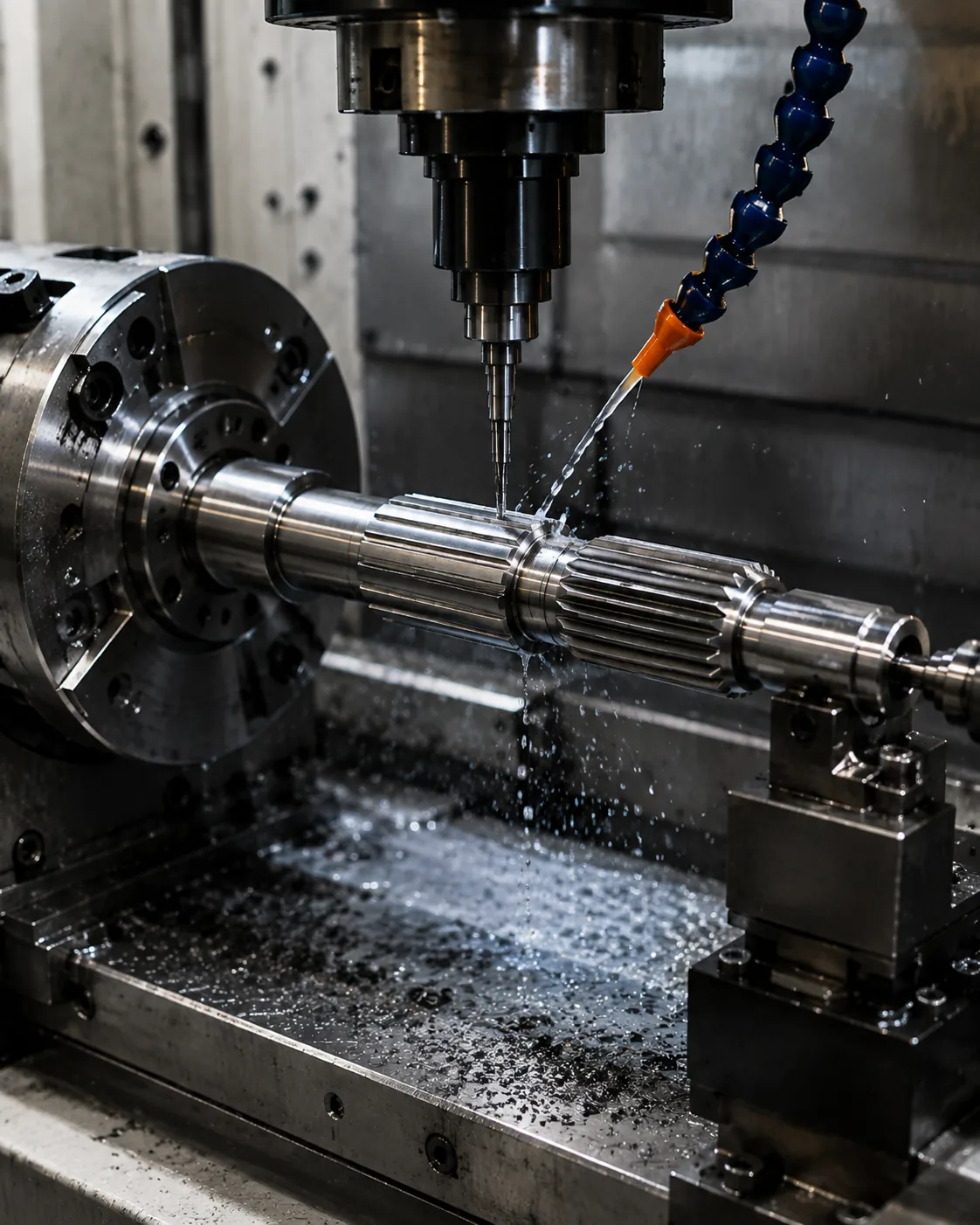
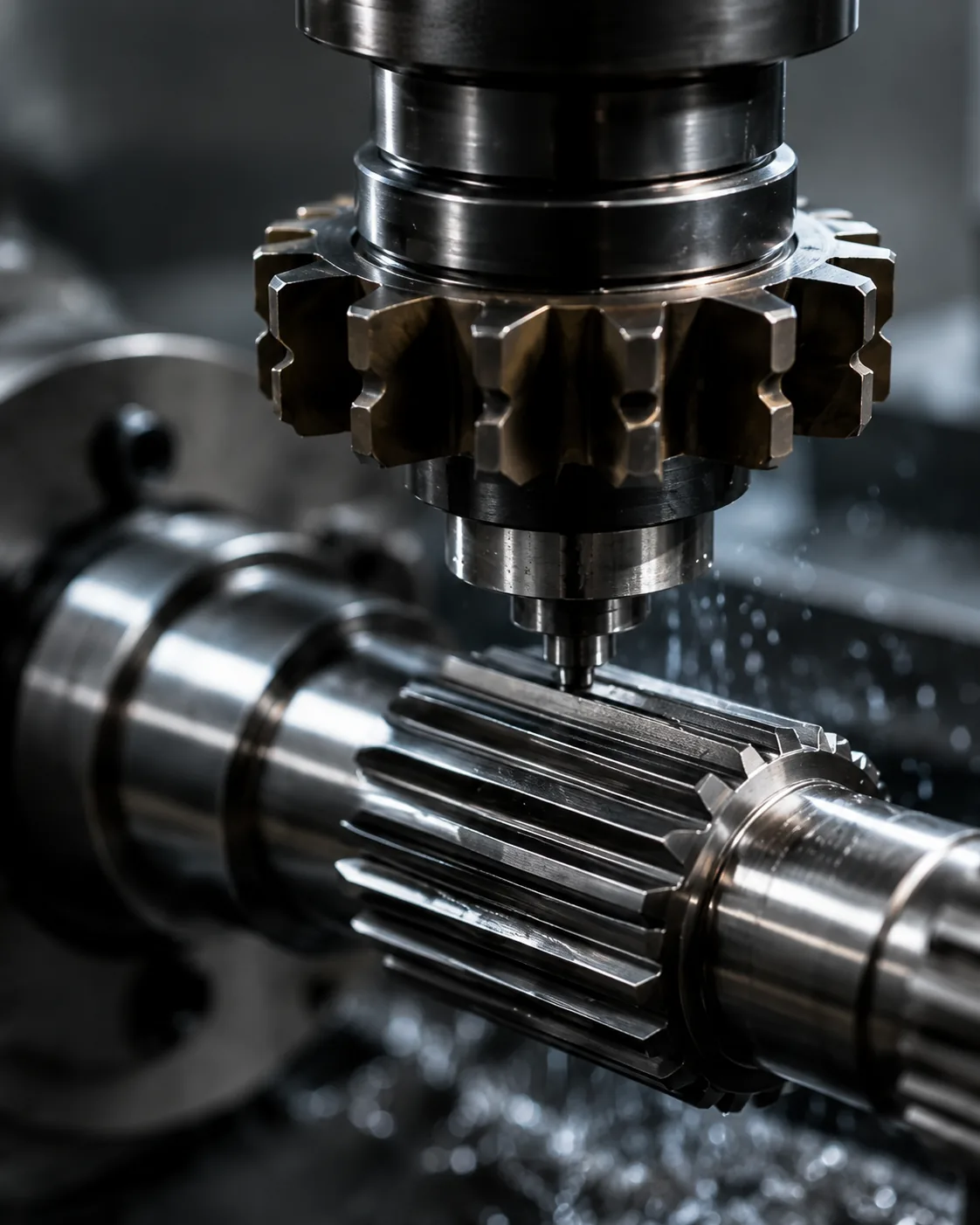
When Spline Grinding Is Used After Heat Treatment — Spline grinding is used when heat-treatment distortion, tooth-form accuracy or surface condition…

지식센터 / When Spline Grinding Is Used After Heat Treatment

When Spline Grinding Is Used After Heat Treatment — Spline grinding is used when heat-treatment distortion, tooth-form accuracy or surface condition cannot be left at the pre-hardening process level. It requires planned grind stock, stable datums and post-grind inspection, so it should be specified only when the functional tolerance justifies hard finishing.

For spline grinding after heat treatment, the most reliable specification is the one that a designer, buyer, manufacturer and inspector can all interpret the same way. The discussion below focuses on measurable drawing inputs, assembly conditions and practical checks rather than universal torque, fit or life claims that cannot be determined without full geometry and duty data.

Why Hard Finishing May Be Required

Why Hard Finishing May Be Required should be reviewed in the context of spline grinding after heat treatment. Identify the mating component, operating function and drawing feature that this decision controls. The requirement should be measurable and connected to fit, torque transfer, alignment, wear or another defined assembly need.

Consider the decision together with material condition, manufacturing sequence and inspection access. If the part is a replacement, compare unworn geometry and the mating member instead of copying damage. For new designs, keep open process choices flexible unless a specific process is itself required by the design. For this topic, connect that decision to the mating component and the drawing revision used for the RFQ. For When Spline Grinding Is Used After Heat Treatment, apply this check to the specific spline grinding after heat treatment interface shown on the current drawing.

Distortion After Carburizing Or Hardening

Distortion After Carburizing Or Hardening influences wear resistance, fatigue behavior, distortion and the sequence of finish machining. Carburizing, induction hardening and quench-and-temper treatment create different material conditions, so they should not be treated as interchangeable ways to reach a hardness number.

Specify hardness with a location and, where required, case depth or core condition. If heat treatment can change straightness or feature relationship, plan the datum recovery and final inspection after the thermal process. Critical journals or tooth surfaces may need finish stock when tight tolerances must be restored. In this review, the useful acceptance criterion is the one that can be traced to a functional drawing characteristic. For When Spline Grinding Is Used After Heat Treatment, apply this check to the specific spline grinding after heat treatment interface shown on the current drawing.

When Spline Grinding Is Used After Heat Treatment - Distortion After Carburizing Or Hardening

Grind Stock And Datum Recovery

Grind Stock And Datum Recovery determines how the spline is located relative to the features that support rotation. Functional datums are normally chosen from journals, pilot diameters, shoulders or other surfaces that locate the component in the assembly. The tolerance should reproduce that relationship during inspection.

Avoid using geometric tolerances as isolated quality numbers. Decide what misalignment the assembly can tolerate, identify the datum reference frame, and specify the controlled feature. Heat treatment and final finishing can change the relationship, so the measurement should be performed at the production stage that represents the finished part. For repeat work, keep the same datum and measurement basis unless the assembly requirement changes. For When Spline Grinding Is Used After Heat Treatment, record the resulting requirement on the drawing or purchase specification so it remains consistent on repeat orders.

Surface Integrity

Surface Integrity should be reviewed in the context of spline grinding after heat treatment. Identify the mating component, operating function and drawing feature that this decision controls. The requirement should be measurable and connected to fit, torque transfer, alignment, wear or another defined assembly need.

Consider the decision together with material condition, manufacturing sequence and inspection access. If the part is a replacement, compare unworn geometry and the mating member instead of copying damage. For new designs, keep open process choices flexible unless a specific process is itself required by the design. When the duty or mating member changes, revisit this point instead of carrying the previous assumption forward. When reviewing spline grinding after heat treatment, revisit this point whenever the mating component, material condition or operating duty changes.

Profile And Lead Correction

Profile And Lead Correction should be reviewed in the context of spline grinding after heat treatment. Identify the mating component, operating function and drawing feature that this decision controls. The requirement should be measurable and connected to fit, torque transfer, alignment, wear or another defined assembly need.

Consider the decision together with material condition, manufacturing sequence and inspection access. If the part is a replacement, compare unworn geometry and the mating member instead of copying damage. For new designs, keep open process choices flexible unless a specific process is itself required by the design. For this topic, connect that decision to the mating component and the drawing revision used for the RFQ. When reviewing spline grinding after heat treatment, revisit this point whenever the mating component, material condition or operating duty changes.

When Spline Grinding Is Used After Heat Treatment - Profile And Lead Correction

Burn Risk And Process Control

Burn Risk And Process Control should be reviewed in the context of spline grinding after heat treatment. Identify the mating component, operating function and drawing feature that this decision controls. The requirement should be measurable and connected to fit, torque transfer, alignment, wear or another defined assembly need.

Consider the decision together with material condition, manufacturing sequence and inspection access. If the part is a replacement, compare unworn geometry and the mating member instead of copying damage. For new designs, keep open process choices flexible unless a specific process is itself required by the design. In this review, the useful acceptance criterion is the one that can be traced to a functional drawing characteristic. In a spline grinding after heat treatment RFQ, keep this point tied to the mating member, datum scheme and finished-part acceptance method.

A practical review sequence

A practical review sequence starts with the mating component and torque path, then confirms tooth system, engagement and the shaft features that locate the connection. Next define material and heat treatment, functional finishes and any runout or position requirements. For repeat work, keep the same datum and measurement basis unless the assembly requirement changes. For When Spline Grinding Is Used After Heat Treatment, record the resulting requirement on the drawing or purchase specification so it remains consistent on repeat orders.

Finish by agreeing the inspection method, quantity and first-article documentation. This order prevents process or tolerance decisions from being made before the functional interface is understood and makes quotations easier to compare because the same design inputs are presented to each supplier. When the duty or mating member changes, revisit this point instead of carrying the previous assumption forward. For When Spline Grinding Is Used After Heat Treatment, record the resulting requirement on the drawing or purchase specification so it remains consistent on repeat orders.

Inspection After Grinding

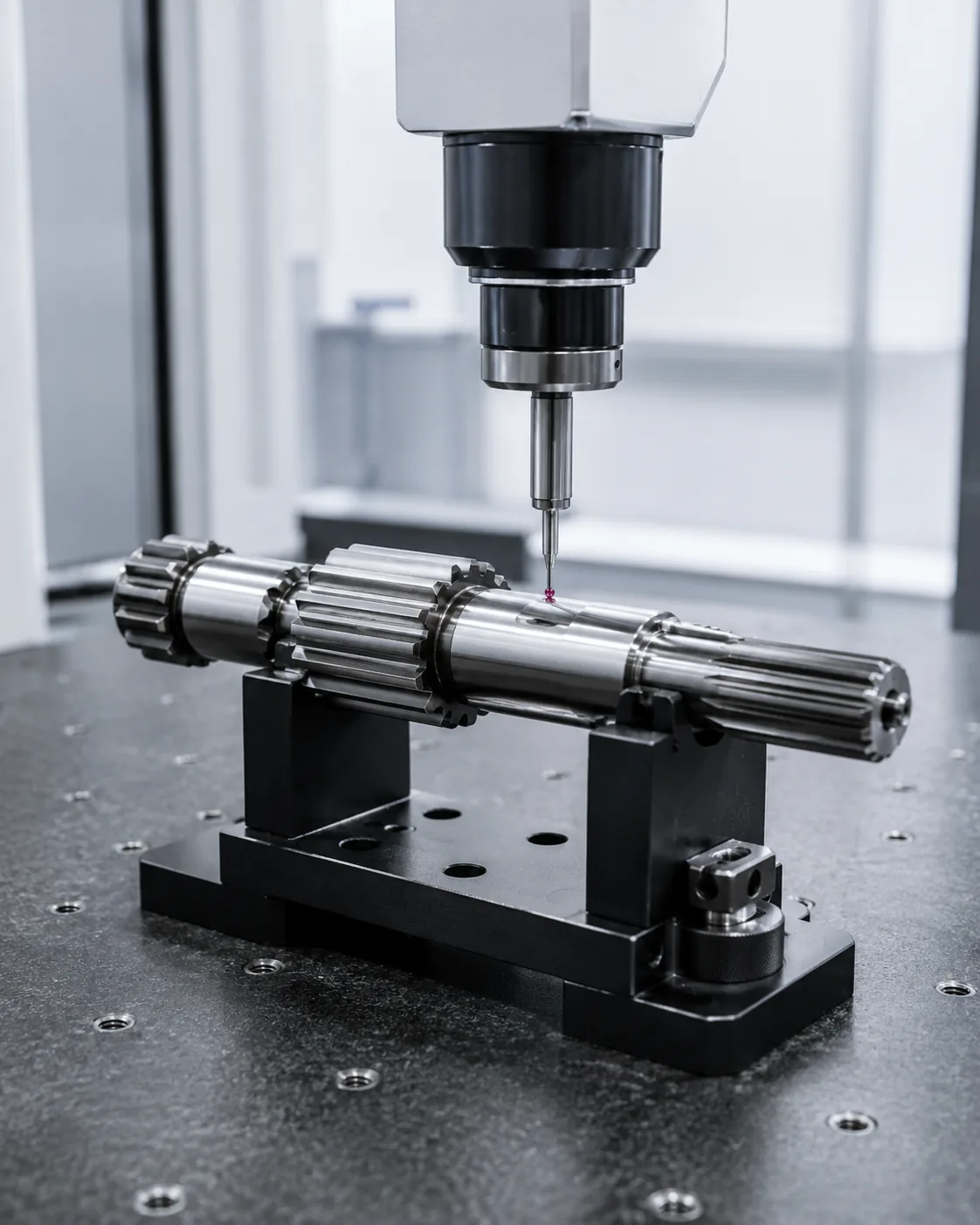
Inspection After Grinding is a manufacturing decision that depends on tooth geometry, access, material condition, production volume and required accuracy. External and internal splines often need different tooling strategies, and shoulders or adjacent diameters can restrict tool approach.

Define the finished tooth geometry and acceptance method first, then select a qualified process that can achieve them efficiently. Heat treatment may change the sequence: rough or soft cutting can occur before hardening, while grinding or another hard-finishing method is reserved for features that require correction after thermal distortion. For this topic, connect that decision to the mating component and the drawing revision used for the RFQ. For When Spline Grinding Is Used After Heat Treatment, record the resulting requirement on the drawing or purchase specification so it remains consistent on repeat orders.

When Spline Grinding Is Used After Heat Treatment - Inspection After Grinding

When Grinding Is Unnecessary

When Grinding Is Unnecessary is a manufacturing decision that depends on tooth geometry, access, material condition, production volume and required accuracy. External and internal splines often need different tooling strategies, and shoulders or adjacent diameters can restrict tool approach.

Define the finished tooth geometry and acceptance method first, then select a qualified process that can achieve them efficiently. Heat treatment may change the sequence: rough or soft cutting can occur before hardening, while grinding or another hard-finishing method is reserved for features that require correction after thermal distortion. In this review, the useful acceptance criterion is the one that can be traced to a functional drawing characteristic. When reviewing spline grinding after heat treatment, revisit this point whenever the mating component, material condition or operating duty changes.

Common mistakes to avoid

Common errors in spline grinding after heat treatment come from treating one nominal value as if it defines the complete interface. Missing pressure angle, unclear datums, copied wear dimensions, unspecified hardness location and mismatched inspection methods can all create parts that look correct on paper but do not assemble consistently.

A better review starts with the mating pair, identifies the load path and locating features, then connects geometry, material condition and inspection to those functions. Close open questions on the drawing before production and retain the agreed interpretation with the revision for repeat orders. For repeat work, keep the same datum and measurement basis unless the assembly requirement changes. For When Spline Grinding Is Used After Heat Treatment, apply this check to the specific spline grinding after heat treatment interface shown on the current drawing.

Decision summary

Decision area What to confirm Why it matters
Mating geometry Tooth system, diameters, engagement and fit Controls compatibility and flank contact
Location Datums, journals, shoulders and runout Controls alignment in the assembly
재료 상태 Grade, heat treatment, hardness and finish Defines the finished mechanical and wear condition
Duty Torque, speed, shock, movement and environment Connects the part definition to operating conditions
점검 Controlled characteristics and measurement method Keeps acceptance consistent between supplier and buyer

Specification checklist

Use the 스플라인 샤프트 제품군 to compare available configurations and the RFQ drawing checklist to prepare a complete enquiry. When the duty or mating member changes, revisit this point instead of carrying the previous assumption forward. For When Spline Grinding Is Used After Heat Treatment, apply this check to the specific spline grinding after heat treatment interface shown on the current drawing.

Engineering worksheet for spline grinding after heat treatment

Use this worksheet to turn When Spline Grinding Is Used After Heat Treatment into decisions that can be shown on a drawing, checked during quotation and verified at first article. Begin with Why Hard Finishing May Be Required and Distortion After Carburizing Or Hardening, because those two items usually define either the mating geometry or the material condition that the rest of the process must support. Then review Grind Stock And Datum Recovery, Surface Integrity and Profile And Lead Correction against the actual assembly rather than treating them as independent catalogue values.

For a manufacturing-process decision, start from the finished tooth geometry and access conditions. Note whether the spline is external or internal, through or blind, close to a shoulder, integrated with a gear, or restricted by adjacent diameters. Those constraints influence tool approach, workholding and the practical choice between processes. Production quantity and material condition affect economics, but the drawing characteristic remains the acceptance target. When reviewing spline grinding after heat treatment, revisit this point whenever the mating component, material condition or operating duty changes.

Build the inspection handoff around grind stock and datum recovery. Define the datum setup, measurement stage and reporting requirement before the first article. Heat treatment can move features relative to each other, so runout, lead, tooth thickness or bore relationships may need to be verified after the final process rather than on a soft-machined blank. Where gages are used, agree what they prove and what analytical checks remain necessary.

Drawing review sequence

Before requesting production, review the drawing in the same order that the assembly works: mating tooth system, effective engagement, locating datums, adjacent journals or shoulders, material and heat treatment, functional finishes, and inspection method. For spline grinding after heat treatment, the order matters because later decisions such as process selection or gage choice should support the interface rather than redefine it.

Worksheet item Question to answer RFQ output
Why Hard Finishing May Be Required What assembly function does this feature control? Dimension, tolerance or mating reference
Distortion After Carburizing Or Hardening What finished condition must be achieved? Material / heat-treatment / finish callout
Grind Stock And Datum Recovery How will the characteristic be verified? Inspection method or reporting note
Surface Integrity How does the opposite member engage? Mating-part and engagement information
Profile And Lead Correction Which datum establishes functional location? Datum and runout relationship

Procurement handoff before first article

A useful purchasing package for When Spline Grinding Is Used After Heat Treatment contains the controlled drawing, quantity, material and heat-treatment condition, mating-interface information and the acceptance characteristics that require reporting. If a 3D model is supplied, the 2D drawing should still carry tolerances, datums, heat-treatment notes and inspection requirements. Identify the current revision in the RFQ so manufacturing and inspection do not work from different versions.

When a characteristic is not yet decided, mark it for engineering clarification rather than inserting a convenient value. For spline grinding after heat treatment, common open items are engagement, fit, hardness location, runout to an adjacent journal, internal-feature access or the condition of a worn mating component. Resolving those points before first article reduces avoidable rework and makes later repeat orders easier to control.

Pre-release checklist

자주 묻는 질문

What should I confirm about why hard finishing may be required for spline grinding after heat treatment?

Relate why hard finishing may be required to the mating component and the assembly function first. Put the measurable requirement on the controlled drawing, and include the opposite member when compatibility depends on both parts. For When Spline Grinding Is Used After Heat Treatment, this prevents a nominal label from replacing the geometry that actually controls fit and torque transfer.

What should I confirm about distortion after carburizing or hardening for spline grinding after heat treatment?

Confirm distortion after carburizing or hardening in the finished condition, including any material, heat-treatment, surface or dimensional state that can change after processing. If the requirement depends on a location or datum, show that explicitly so production and inspection use the same reference.

What should I confirm about grind stock and datum recovery for spline grinding after heat treatment?

Choose an inspection method that measures the characteristic named on the drawing. Functional gaging, analytical spline measurement, CMM checks, runout inspection, roughness measurement and hardness testing answer different questions. State which result is required for acceptance rather than requesting a generic inspection report. When reviewing spline grinding after heat treatment, revisit this point whenever the mating component, material condition or operating duty changes.

What should I confirm about surface integrity for spline grinding after heat treatment?

Check surface integrity with the real mating part and intended assembly condition. Effective engagement, clearance, axial movement, temperature and wear in a replacement hub can all influence how the connection behaves. A new shaft should not be accepted or rejected from feel alone when a measurable fit requirement is available.

What should I confirm about profile and lead correction for spline grinding after heat treatment?

Tie profile and lead correction to the features that locate rotation in the assembly. The drawing should make the datum reference and any runout or position relationship clear. If heat treatment or finish machining can move the feature, inspect the relationship at the stage that represents the finished part.

From engineering decision to production control

Once the interface is agreed, translate each functional decision into a drawing characteristic that can be manufactured and inspected. Avoid leaving key relationships only in email notes. Dimensions, datums, heat-treatment conditions and acceptance requirements should be revision-controlled so the production team and inspection team work to the same definition. For repeat work, keep the same datum and measurement basis unless the assembly requirement changes. For When Spline Grinding Is Used After Heat Treatment, apply this check to the specific spline grinding after heat treatment interface shown on the current drawing.

For first articles, prioritize the characteristics that prove assembly compatibility: tooth geometry, mating fit, relationship to locating journals or shoulders, heat-treatment condition and any critical runout. Record the measurement method together with the result. On repeat orders, using the same datum setup and measurement approach makes trend changes easier to recognize and reduces disputes caused by different inspection interpretations. When the duty or mating member changes, revisit this point instead of carrying the previous assumption forward. In a spline grinding after heat treatment RFQ, keep this point tied to the mating member, datum scheme and finished-part acceptance method.

When the operating duty changes, reopen the engineering review instead of assuming the old specification remains suitable. Higher torque, increased shock, more frequent reversals, different lubrication or a new mating component can change contact and wear even if the nominal spline size stays the same. The drawing should evolve with the actual assembly requirement. For this topic, connect that decision to the mating component and the drawing revision used for the RFQ. For When Spline Grinding Is Used After Heat Treatment, record the resulting requirement on the drawing or purchase specification so it remains consistent on repeat orders.

Prepare the RFQ

A complete enquiry combines the drawing, mating interface, material condition, duty, quantity and inspection expectations. When these inputs are defined early, suppliers can plan tooling, heat treatment, finishing and measurement around the same functional requirement, reducing clarification cycles before first article. In this review, the useful acceptance criterion is the one that can be traced to a functional drawing characteristic. For When Spline Grinding Is Used After Heat Treatment, apply this check to the specific spline grinding after heat treatment interface shown on the current drawing.

Turn the guide into an RFQ

Send the controlled drawing, mating interface, material condition and duty information for technical review.

견적 요청