Request a spline shaft quotation by sending the drawing and the operating information that defines the mating interface. A complete RFQ gives engineering enough context to review geometry, material condition, heat treatment, duty and inspection requirements before production planning.
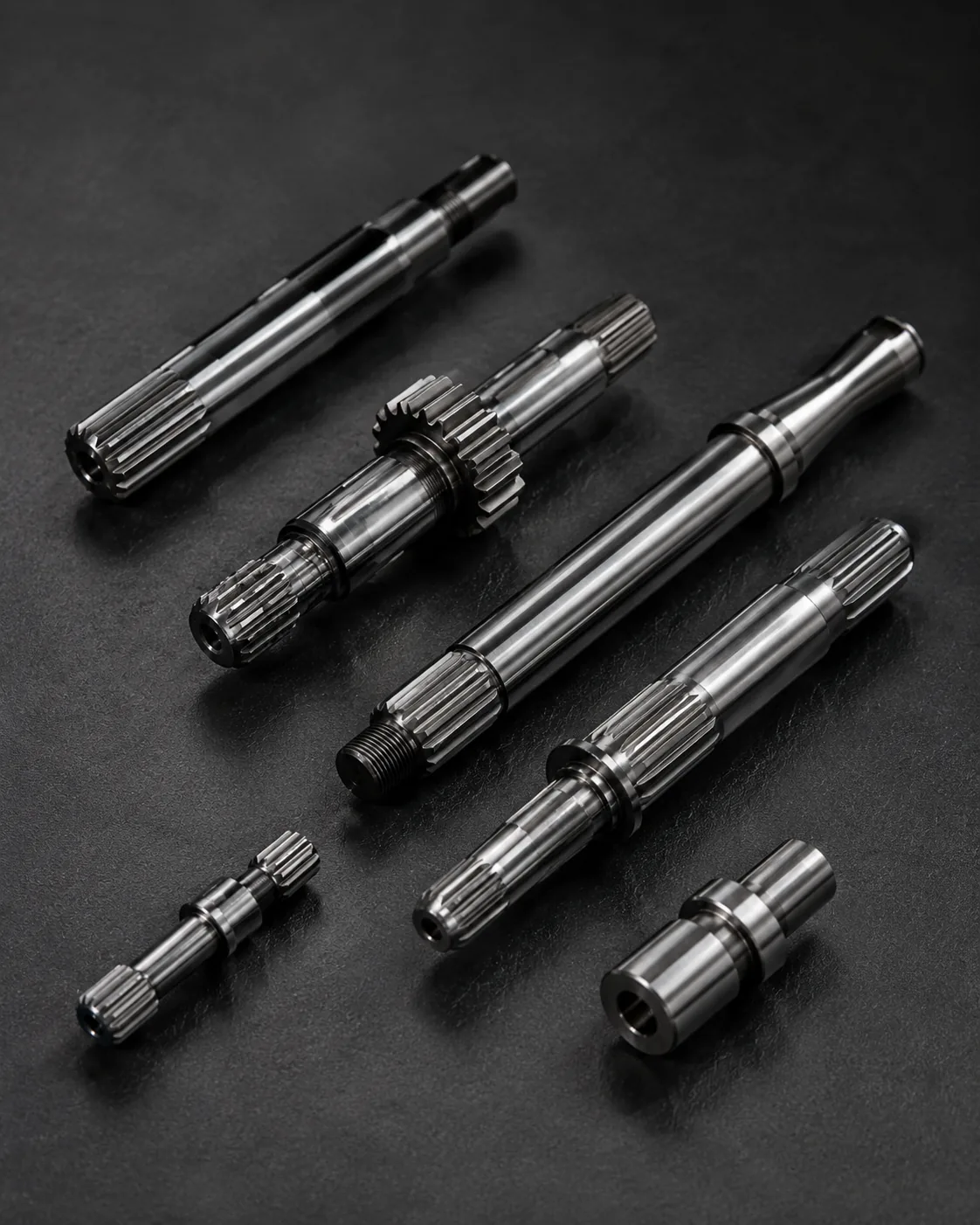
What to include with your enquiry
Attach a 2D drawing and, if available, a neutral 3D model. State quantity, material, heat treatment, hardness, spline module or pitch, tooth count, pressure angle, major and minor diameters, effective engagement, total length, datums, runout requirements and functional surface finishes. If a mating component already exists, include its spline information so both members can be checked as one interface.
Operating information is also useful when it influences engineering decisions. Include torque, speed, duty cycle, shock or reversing load, lubrication, contamination exposure, temperature, assembly method and whether the spline must slide axially. For replacement parts, describe the wear or failure pattern and provide clear photographs of both mating members where possible.
Pre-sales engineering support
- Mating-interface review
- Drawing completeness check
- Material and heat-treatment clarification
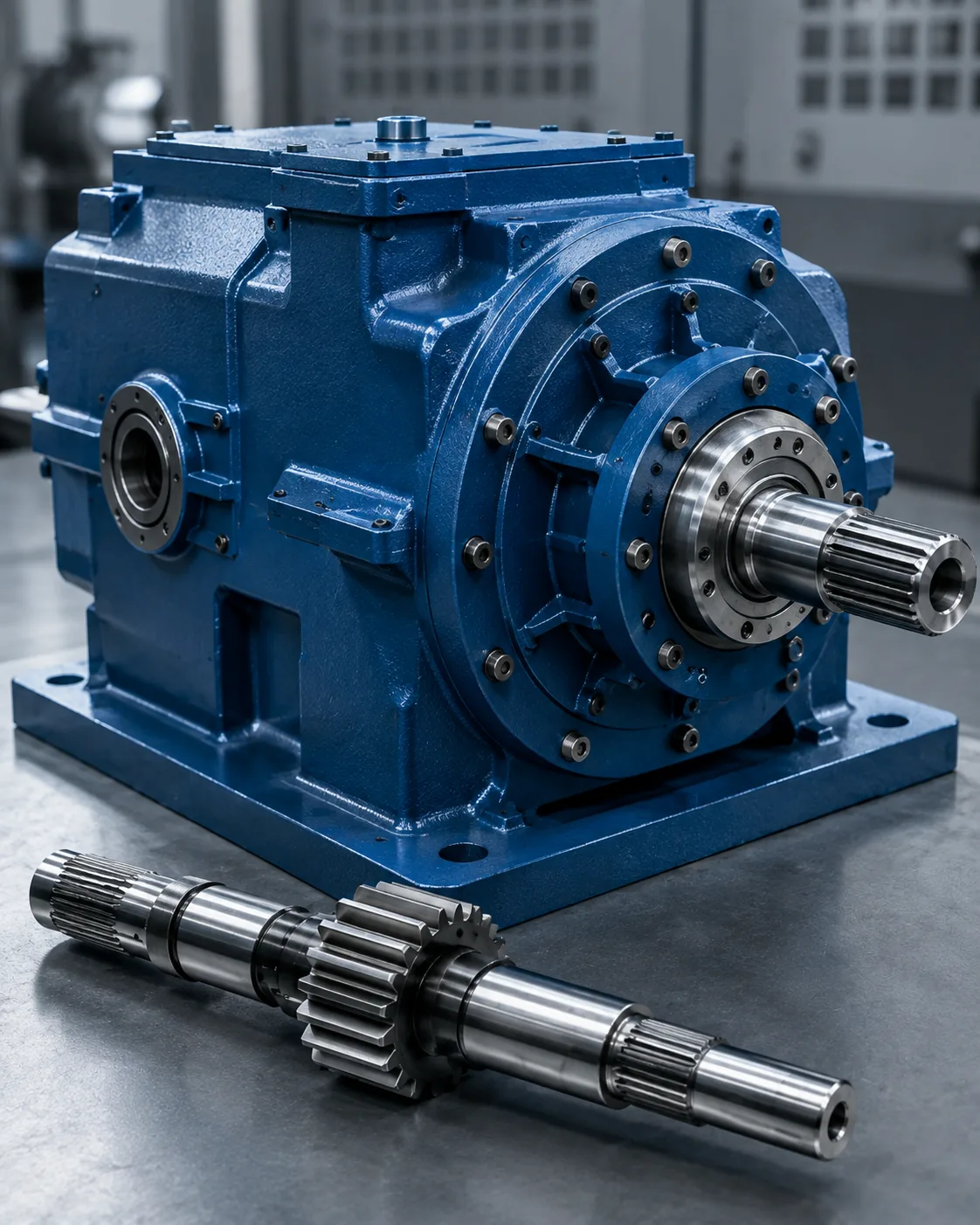
Before quotation, technical review checks whether the drawing contains the geometry needed to manufacture and inspect the shaft consistently. Questions normally focus on mating geometry, datum relationships, fit, material condition, heat treatment and the characteristics that require inspection reporting. If a precision designation or legacy drawing note is ambiguous, define the controlled feature and acceptance basis before production.
Drawing and design clarification
- Functional datums and fit
- Replacement-part measurement questions
- Assembly and duty information
For developing or replacement components, engineering discussion can start from the existing mating member, assembly envelope and operating duty. The purpose is to turn functional requirements into measurable drawing characteristics. We do not replace the customer’s design authority; final dimensions, tolerances and material requirements are confirmed on the customer-approved drawing.
Inspection and order support
- First-article reporting needs
- Critical characteristic inspection methods
- Repeat-order revision control
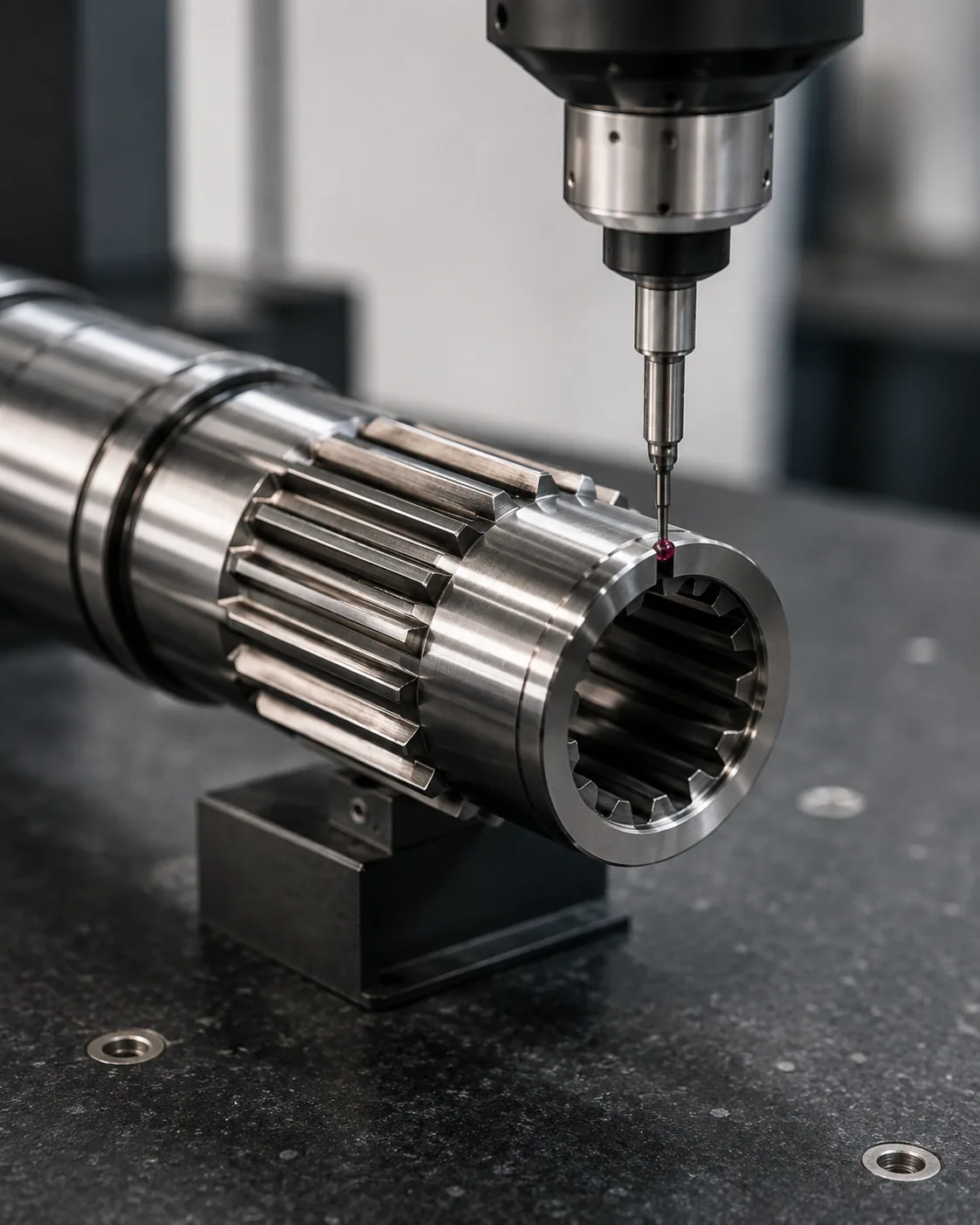
Tell us which characteristics require reports or first-article documentation. Functional gaging, analytical spline measurement, CMM checks, runout inspection, surface-roughness measurement and hardness testing control different features. Defining the required method early helps align production and acceptance criteria.
For repeat orders, include the latest drawing revision and highlight any changes in geometry, material, heat treatment, mating component or operating duty. That keeps the quotation and manufacturing review tied to the current requirement rather than an earlier version.
Contact Ever-Power
- Send the latest drawing revision
- Include quantity and application information
- List any required inspection documentation
Business address: Sandan-ro, Danwon-gu, Ansan-si, Gyeonggi-do, Korea
Email: [email protected]
Use the form below to send your project details. Attach the drawing when your form configuration allows file upload, or email the drawing directly and include the product/application reference in your message.
Request a technical quote
Send the drawing, mating spline, material condition, quantity, torque/speed information and inspection requirements.