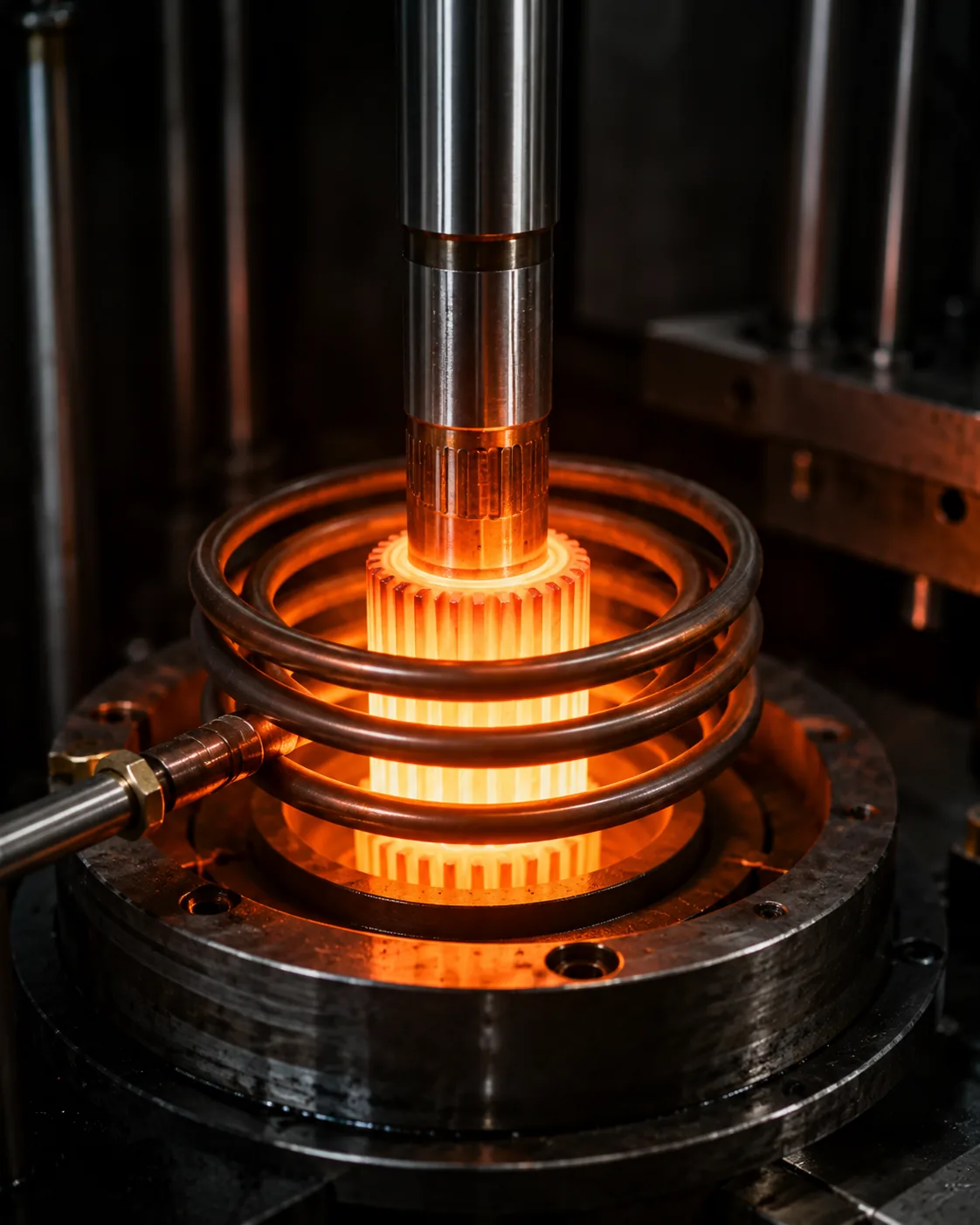
Härdade och anlöpta invändiga splineaxlar: Vad man ska specificera
Härdade och anlöpta invändiga splineaxlar: Vad man ska specificera — För en härdad invändig spline, definiera materialtillståndet, invändiga…
Läs merVal, tillverkning, inspektion, tillämpningar och felsökning för splinesaxelgränssnitt.
Härdade och anlöpta invändiga splineaxlar: Vad man ska specificera — För en härdad invändig spline, definiera materialtillståndet, invändiga…
Läs merKarburerade kontra induktionshärdade splineaxlar — Både karburering och induktionshärdning skapar härdade arbetsytor, men de gör det genom…
Läs merNär 18CrNiMo7-6 är lämpligt för en integrerad kugghjuls- och splineaxel — En integrerad kugghjuls- och splineaxel har flera momentöverföringsfunktioner,…
Läs merC45 vs 20CrMo för splineaxlar: Materialvalsfaktorer — C45 och 20CrMo kan stödja olika värmebehandlingsvägar och sektionskrav, så…
Läs mer
Evolventa kontra raka splines: Val av överväganden — Evolventa och raka splines använder olika flankgeometrier, tillverkningsmetoder…
Läs merSplinesaxelpassning och tolerans: Vad ingenjörer behöver bekräfta — Splinepassning är det kombinerade resultatet av tandtjocklek, mellanrumsbredd, diameterspel,…
Läs merHur man läser tryckvinkeln på en splineaxelritning — Tryckvinkeln beskriver orienteringen av de arbetande tandflankerna och är en passningskompatibilitets…
Läs merHur modul och tandantal definierar ett splineaxelgränssnitt — Modul och tandantal samverkar för att definiera tandstorleken och den grundläggande stigningen…
Läs merExterna vs. Inre splineaxlar: Vilket gränssnitt passar din design? — Välj en extern eller inre spline genom att bestämma var han- och honkuggen sitter…
Läs merHur man specificerar en anpassad splineaxel från en ritning — En anpassad splineaxelritning bör definiera det passande tandsystemet, funktionella diametrar,…
Läs mer