Gear and Spline Shafts for Compact Power Transmission Layouts — Combining a gear and spline on one shaft can reduce separate joints and axial stack-up, but it also makes datum control, heat-treatment distortion and inspection of feature relationships more important. The assembly drawing should define how gear, spline, journals and shoulders work together.
Para sa gear and spline shaft, ang labing kasaligan nga espesipikasyon mao ang usa nga mahubad sa usa ka tigdesinyo, pumapalit, tiggama ug inspektor sa parehas nga paagi. Ang diskusyon sa ubos nagpunting sa masukod nga mga input sa pagdrowing, mga kondisyon sa pag-assemble ug praktikal nga mga pagsusi kaysa sa unibersal nga torque, pagkahaom o mga pag-angkon sa kinabuhi nga dili matino kung wala ang kompleto nga geometry ug datos sa katungdanan.
Part-Count Reduction
Part-Count Reduction should be reviewed in the context of gear and spline shaft. Identify the mating component, operating function and drawing feature that this decision controls. The requirement should be measurable and connected to fit, torque transfer, alignment, wear or another defined assembly need.
Consider the decision together with material condition, manufacturing sequence and inspection access. If the part is a replacement, compare unworn geometry and the mating member instead of copying damage. For new designs, keep open process choices flexible unless a specific process is itself required by the design. For this topic, connect that decision to the mating component and the drawing revision used for the RFQ. When reviewing gear and spline shaft, revisit this point whenever the mating component, material condition or operating duty changes.
Gear-To-Spline Datum Relationship
Gear-To-Spline Datum Relationship determines how the spline is located relative to the features that support rotation. Functional datums are normally chosen from journals, pilot diameters, shoulders or other surfaces that locate the component in the assembly. The tolerance should reproduce that relationship during inspection.
Avoid using geometric tolerances as isolated quality numbers. Decide what misalignment the assembly can tolerate, identify the datum reference frame, and specify the controlled feature. Heat treatment and final finishing can change the relationship, so the measurement should be performed at the production stage that represents the finished part. In this review, the useful acceptance criterion is the one that can be traced to a functional drawing characteristic. For Gear and Spline Shafts for Compact Power Transmission Layouts, apply this check to the specific gear and spline shaft interface shown on the current drawing.
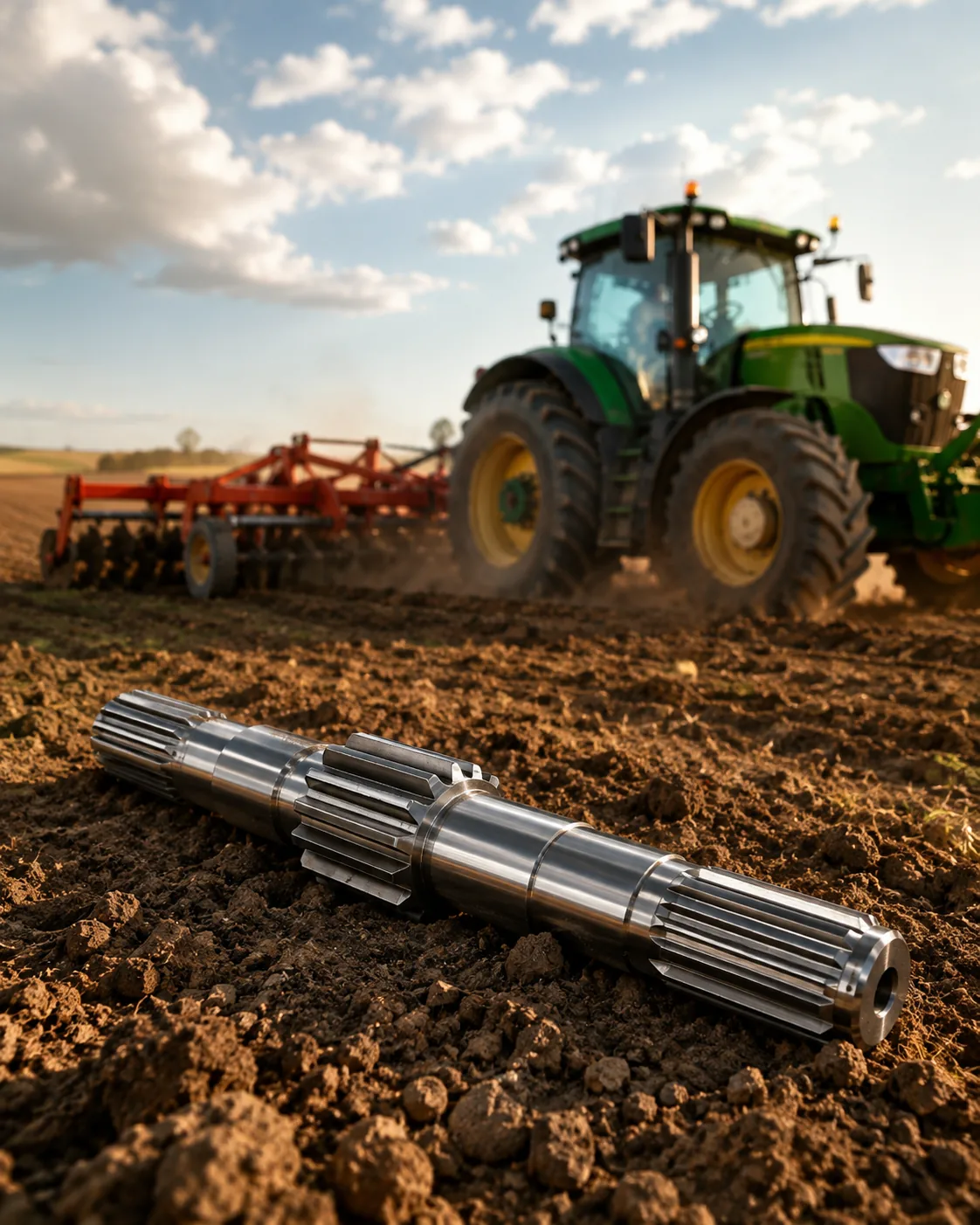
Bearing Journal Control
Bearing Journal Control determines how the spline is located relative to the features that support rotation. Functional datums are normally chosen from journals, pilot diameters, shoulders or other surfaces that locate the component in the assembly. The tolerance should reproduce that relationship during inspection.
Avoid using geometric tolerances as isolated quality numbers. Decide what misalignment the assembly can tolerate, identify the datum reference frame, and specify the controlled feature. Heat treatment and final finishing can change the relationship, so the measurement should be performed at the production stage that represents the finished part. For repeat work, keep the same datum and measurement basis unless the assembly requirement changes. For Gear and Spline Shafts for Compact Power Transmission Layouts, record the resulting requirement on the drawing or purchase specification so it remains consistent on repeat orders.
Heat-Treatment Distortion
Heat-Treatment Distortion influences wear resistance, fatigue behavior, distortion and the sequence of finish machining. Carburizing, induction hardening and quench-and-temper treatment create different material conditions, so they should not be treated as interchangeable ways to reach a hardness number.
Specify hardness with a location and, where required, case depth or core condition. If heat treatment can change straightness or feature relationship, plan the datum recovery and final inspection after the thermal process. Critical journals or tooth surfaces may need finish stock when tight tolerances must be restored. When the duty or mating member changes, revisit this point instead of carrying the previous assumption forward. For Gear and Spline Shafts for Compact Power Transmission Layouts, record the resulting requirement on the drawing or purchase specification so it remains consistent on repeat orders.
Long-Shaft Handling
Long-Shaft Handling should be reviewed in the context of gear and spline shaft. Identify the mating component, operating function and drawing feature that this decision controls. The requirement should be measurable and connected to fit, torque transfer, alignment, wear or another defined assembly need.
Consider the decision together with material condition, manufacturing sequence and inspection access. If the part is a replacement, compare unworn geometry and the mating member instead of copying damage. For new designs, keep open process choices flexible unless a specific process is itself required by the design. For this topic, connect that decision to the mating component and the drawing revision used for the RFQ. When reviewing gear and spline shaft, revisit this point whenever the mating component, material condition or operating duty changes.
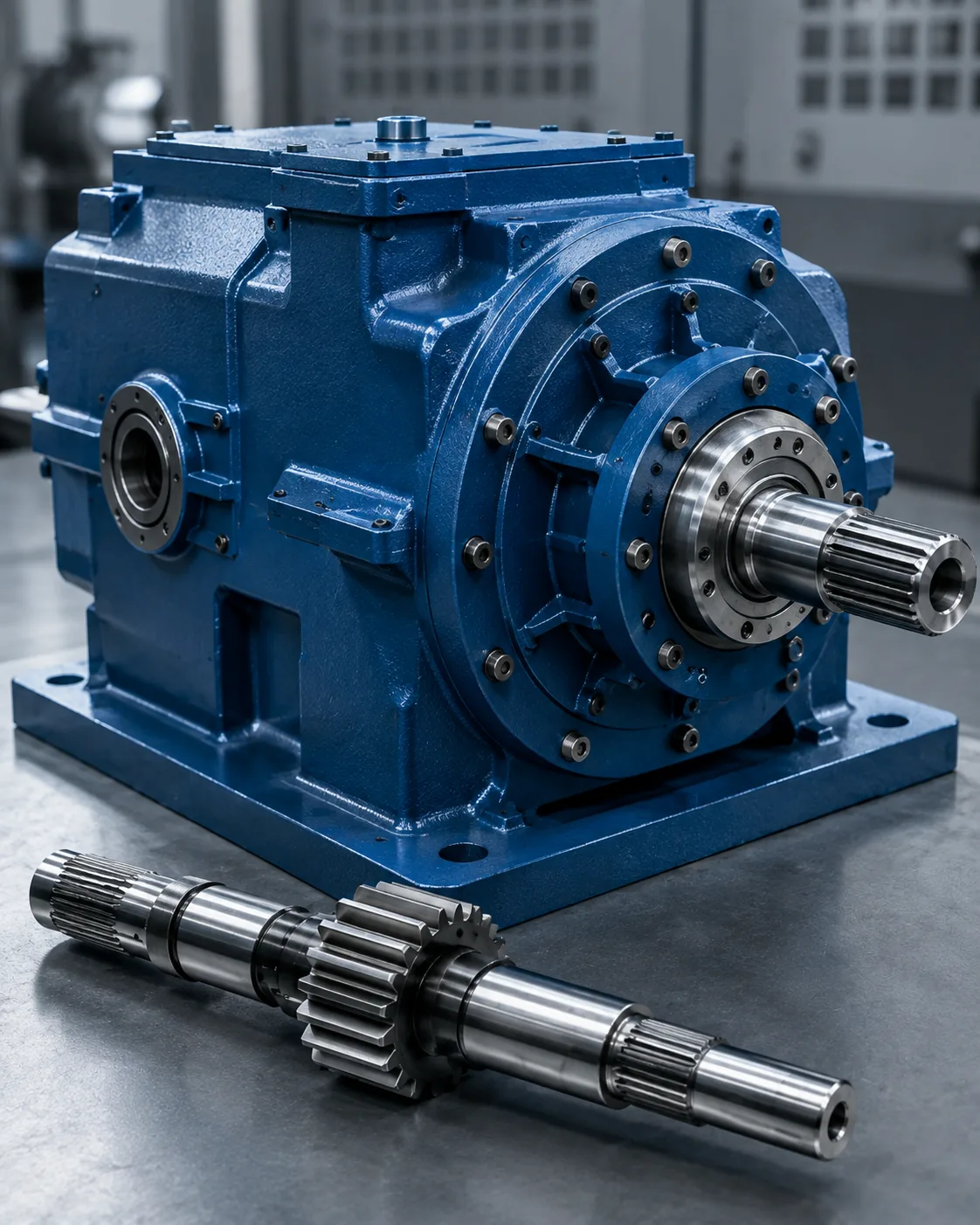
Assembly Stack-Up
Assembly Stack-Up nagbutang sa spline sa konteksto sa operasyon. Ang direksyon sa torque, shock loading, kontaminasyon, lubrication, axial movement, bearing support ug service access tanan makausab sa praktikal nga pagkahaom ug kondisyon sa materyal.
For an RFQ, describe the actual machine or assembly function and provide the mating component. Replacement requests should include wear photographs and measurements from unworn areas. This information helps separate geometry problems from alignment, lubrication or maintenance issues elsewhere in the system. In this review, the useful acceptance criterion is the one that can be traced to a functional drawing characteristic. When reviewing gear and spline shaft, revisit this point whenever the mating component, material condition or operating duty changes.
Usa ka praktikal nga sunod-sunod nga pagrepaso
A practical review sequence starts with the mating component and torque path, then confirms tooth system, engagement and the shaft features that locate the connection. Next define material and heat treatment, functional finishes and any runout or position requirements. For repeat work, keep the same datum and measurement basis unless the assembly requirement changes. For Gear and Spline Shafts for Compact Power Transmission Layouts, apply this check to the specific gear and spline shaft interface shown on the current drawing.
Finish by agreeing the inspection method, quantity and first-article documentation. This order prevents process or tolerance decisions from being made before the functional interface is understood and makes quotations easier to compare because the same design inputs are presented to each supplier. When the duty or mating member changes, revisit this point instead of carrying the previous assumption forward. For Gear and Spline Shafts for Compact Power Transmission Layouts, apply this check to the specific gear and spline shaft interface shown on the current drawing.
Inspection Sequence
Inspection Sequence should use a method that measures the drawing characteristic directly or functionally. Functional gages, analytical tooth measurement, CMM inspection, span measurements and measurements over pins or balls answer different questions and are not interchangeable by default.
Agree the method before production when tolerance is tight or when customer and supplier use different equipment. Control temperature, cleanliness and gage calibration for repeatability. The inspection report should identify the drawing revision and datum setup so later lots can be compared on the same basis. For this topic, connect that decision to the mating component and the drawing revision used for the RFQ. For Gear and Spline Shafts for Compact Power Transmission Layouts, apply this check to the specific gear and spline shaft interface shown on the current drawing.
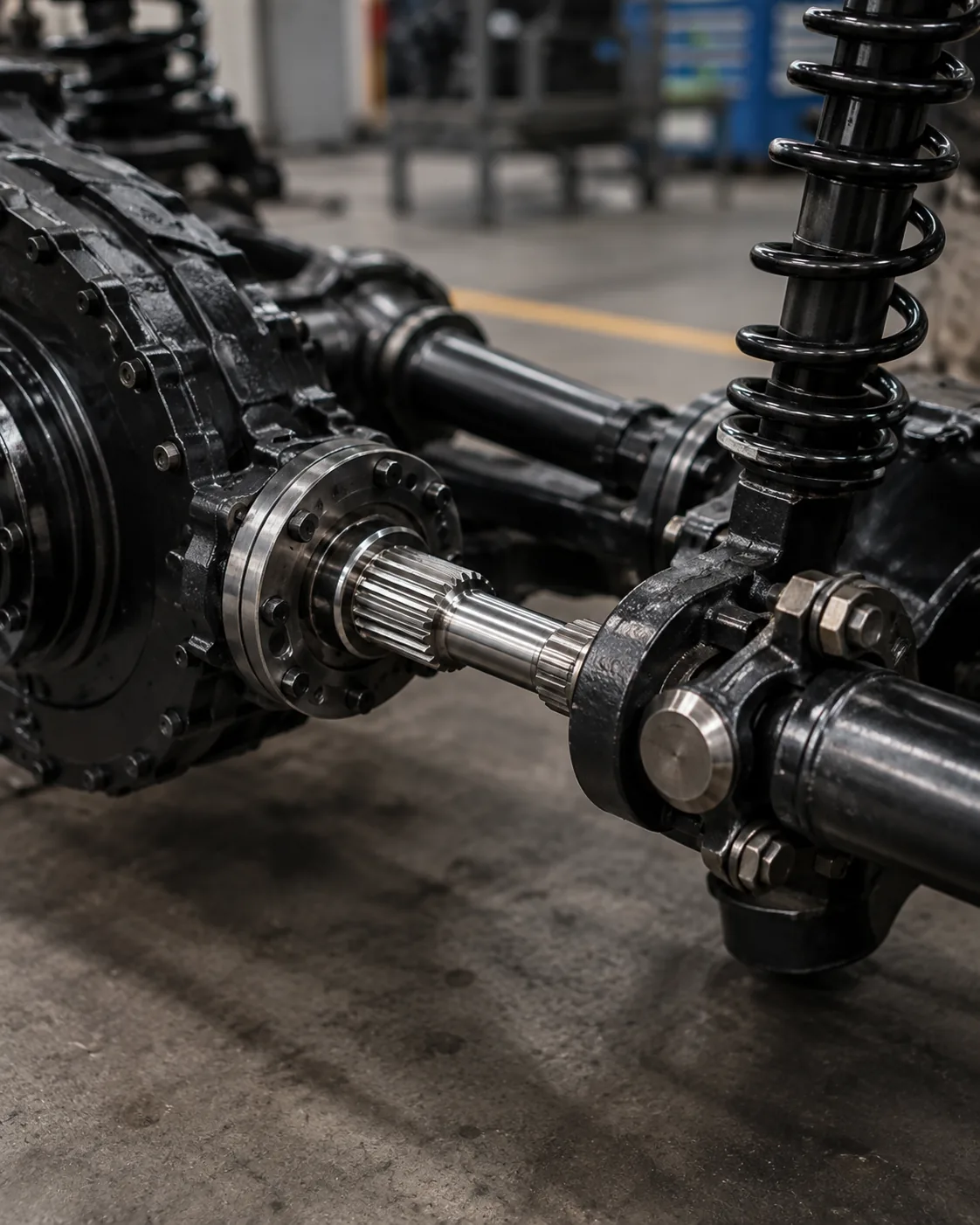
Serviceability Trade-Offs
Serviceability Trade-Offs nagbutang sa spline sa konteksto sa operasyon. Ang direksyon sa torque, shock loading, kontaminasyon, lubrication, axial movement, bearing support ug service access tanan makausab sa praktikal nga pagkahaom ug kondisyon sa materyal.
For an RFQ, describe the actual machine or assembly function and provide the mating component. Replacement requests should include wear photographs and measurements from unworn areas. This information helps separate geometry problems from alignment, lubrication or maintenance issues elsewhere in the system. In this review, the useful acceptance criterion is the one that can be traced to a functional drawing characteristic. In a gear and spline shaft RFQ, keep this point tied to the mating member, datum scheme and finished-part acceptance method.
Kasagarang mga sayop nga likayan
Common errors in gear and spline shaft come from treating one nominal value as if it defines the complete interface. Missing pressure angle, unclear datums, copied wear dimensions, unspecified hardness location and mismatched inspection methods can all create parts that look correct on paper but do not assemble consistently.
A better review starts with the mating pair, identifies the load path and locating features, then connects geometry, material condition and inspection to those functions. Close open questions on the drawing before production and retain the agreed interpretation with the revision for repeat orders. For repeat work, keep the same datum and measurement basis unless the assembly requirement changes. In a gear and spline shaft RFQ, keep this point tied to the mating member, datum scheme and finished-part acceptance method.
Sumaryo sa desisyon
| Lugar sa pagdesisyon | Unsay angay kumpirmahon | Ngano nga importante kini |
|---|---|---|
| Heometriya sa pagkapares | Sistema sa ngipon, diametro, pagkabit ug pagkahaom | Nagkontrol sa pagkaangay ug kontak sa kilid |
| Lokasyon | Mga datos, journal, abaga ug runout | Nagkontrol sa pag-align sa assembly |
| Kondisyon sa materyal | Grado, pagtambal sa kainit, katig-a ug pagkahuman | Nagtino sa nahuman nga mekanikal ug kondisyon sa pagkaguba |
| Katungdanan | Torque, katulin, shock, paglihok ug palibot | Nagkonektar sa kahulugan sa bahin ngadto sa mga kondisyon sa pag-operate |
| Inspeksyon | Gikontrol nga mga kinaiya ug pamaagi sa pagsukod | Nagmintinar sa makanunayon nga pagdawat tali sa supplier ug buyer |
Checklist sa espesipikasyon
- Ang sangkap sa pagkapares ug ang oryentasyon sa gawas/sulod nga ngipon
- Modulo o sistema sa pitch, ihap sa ngipon, anggulo sa presyur ug mga diametro sa mayor/menor
- Epektibong pakiglambigit, angay o basehan sa pagkamatugtanon ug paglihok sa ehe kon gikinahanglan
- Materyal, pagtambal sa kainit, lokasyon sa katig-a ug magamit nga mga pagkahuman sa nawong
- Mga datos, diametro sa bearing o pilot, mga kinahanglanon sa runout ug axial location
- Torque, speed, shock o reversing load, lubrication ug operating environment
- Gidaghanon, mga kinahanglanon sa unang artikulo ug gikasabutan nga dokumentasyon sa inspeksyon
Gamita ang mga produkto sa spline shaft aron itandi ang magamit nga mga konfigurasyon ug ang Checklist sa drowing sa RFQ to prepare a complete enquiry. When the duty or mating member changes, revisit this point instead of carrying the previous assumption forward. In a gear and spline shaft RFQ, keep this point tied to the mating member, datum scheme and finished-part acceptance method.
Engineering worksheet for gear and spline shaft
Gamita kini nga worksheet aron ibalik ang Gear and Spline Shafts for Compact Power Transmission Layouts ngadto sa mga desisyon nga mahimong ipakita sa usa ka drowing, susihon atol sa kinutlo ug mapamatud-an sa unang artikulo. Sugdi sa Part-Count Reduction ug Gear-To-Spline Datum Relationship, tungod kay kining duha ka butang kasagaran naghubit sa mating geometry o sa materyal nga kondisyon nga kinahanglan suportahan sa nahabilin nga proseso. Dayon ribyuha Bearing Journal Control, Heat-Treatment Distortion ug Long-Shaft Handling batok sa aktwal nga asembliya imbes nga isipon kini isip independente nga mga bili sa katalogo.
For an application review, describe the complete connection: driver and driven member, bearing support, axial restraint, assembly access and the environment around the spline. Add torque, speed, shock or reversing load, contamination, lubrication and any sliding movement. The same nominal tooth system can behave differently when engagement, stiffness, alignment or duty changes, so interface selection should follow the actual operating context. For Gear and Spline Shafts for Compact Power Transmission Layouts, apply this check to the specific gear and spline shaft interface shown on the current drawing.
Use part-count reduction and heat-treatment distortion as assembly checkpoints. Confirm the mating part, verify that the available engagement is real working length rather than chamfer or relief, and check that the locating journals or shoulders establish the intended alignment. For service replacements, inspect both members before ordering; a new shaft cannot correct excessive wear or damage in the mating hub by itself.
Sunod-sunod nga pagrepaso sa drowing
Sa dili pa mohangyo og produksiyon, ribyuha ang drowing sa samang han-ay sa pagtrabaho sa asembliya: mating tooth system, effective engagement, locating datums, adjacent journals o shoulders, material ug heat treatment, functional finishes, ug inspection method. Para sa gear and spline shaft, ang han-ay importante tungod kay ang ulahing mga desisyon sama sa pagpili sa proseso o pagpili sa gage kinahanglan nga mosuporta sa interface imbes nga usbon kini.
| Butang sa worksheet | Pangutana nga tubagon | Output sa RFQ |
|---|---|---|
| Part-Count Reduction | Unsa nga function sa assembly ang gikontrol niini nga feature? | Dimensyon, pagkamatugtanon o reperensya sa pagpares |
| Gear-To-Spline Datum Relationship | Unsang nahuman nga kondisyon ang kinahanglan nga makab-ot? | Materyal / pagtambal sa kainit / pagtapos nga tawag |
| Bearing Journal Control | Unsaon pag-verify ang kinaiya? | Pamaagi sa inspeksyon o nota sa pagreport |
| Heat-Treatment Distortion | Unsaon pag-apil sa kaatbang nga miyembro? | Impormasyon sa pag-asawa ug engagement |
| Long-Shaft Handling | Unsang datum ang nagtino sa lokasyon nga gigamit? | Relasyon sa petsa ug runout |
Pagbalhin sa pagpalit sa dili pa ang unang artikulo
Usa ka mapuslanong pakete sa pagpalit para sa Gear and Spline Shafts for Compact Power Transmission Layouts Naglangkob sa kontroladong drowing, gidaghanon, materyal ug kondisyon sa heat-treatment, impormasyon sa mating-interface ug ang mga kinaiya sa pagdawat nga nanginahanglan og pagreport. Kung gihatag ang usa ka 3D nga modelo, ang 2D nga drowing kinahanglan gihapon nga adunay mga tolerance, datum, mga nota sa heat-treatment ug mga kinahanglanon sa inspeksyon. Ilha ang kasamtangang rebisyon sa RFQ aron ang paggama ug inspeksyon dili molihok gikan sa lainlaing mga bersyon.
When a characteristic is not yet decided, mark it for engineering clarification rather than inserting a convenient value. For gear and spline shaft, common open items are engagement, fit, hardness location, runout to an adjacent journal, internal-feature access or the condition of a worn mating component. Resolving those points before first article reduces avoidable rework and makes later repeat orders easier to control.
Checklist sa wala pa ang pagpagawas
- Confirm part-count reduction against the actual mating component.
- Confirm gear-to-spline datum relationship in the finished condition.
- Define how bearing journal control will be inspected.
- Check heat-treatment distortion under the intended assembly condition.
- Relate long-shaft handling to the functional datum structure.
- Ipahayag ang gidaghanon, lebel sa rebisyon ug bisan unsang kinahanglanon sa dokumentasyon sa unang artikulo.
- Irekord ang mga pagbag-o sa duty, lubrication o mating hardware para sa mga repeat order.
Mga Kanunayng Gipangutana nga Pangutana
What should I confirm about part-count reduction for gear and spline shaft?
Relate part-count reduction to the mating component and the assembly function first. Put the measurable requirement on the controlled drawing, and include the opposite member when compatibility depends on both parts. For Gear and Spline Shafts for Compact Power Transmission Layouts, this prevents a nominal label from replacing the geometry that actually controls fit and torque transfer.
What should I confirm about gear-to-spline datum relationship for gear and spline shaft?
Confirm gear-to-spline datum relationship in the finished condition, including any material, heat-treatment, surface or dimensional state that can change after processing. If the requirement depends on a location or datum, show that explicitly so production and inspection use the same reference.
What should I confirm about bearing journal control for gear and spline shaft?
Choose an inspection method that measures the characteristic named on the drawing. Functional gaging, analytical spline measurement, CMM checks, runout inspection, roughness measurement and hardness testing answer different questions. State which result is required for acceptance rather than requesting a generic inspection report. In a gear and spline shaft RFQ, keep this point tied to the mating member, datum scheme and finished-part acceptance method.
What should I confirm about heat-treatment distortion for gear and spline shaft?
Check heat-treatment distortion with the real mating part and intended assembly condition. Effective engagement, clearance, axial movement, temperature and wear in a replacement hub can all influence how the connection behaves. A new shaft should not be accepted or rejected from feel alone when a measurable fit requirement is available.
What should I confirm about long-shaft handling for gear and spline shaft?
Tie long-shaft handling to the features that locate rotation in the assembly. The drawing should make the datum reference and any runout or position relationship clear. If heat treatment or finish machining can move the feature, inspect the relationship at the stage that represents the finished part.
Gikan sa desisyon sa inhenyeriya ngadto sa pagkontrol sa produksiyon
Once the interface is agreed, translate each functional decision into a drawing characteristic that can be manufactured and inspected. Avoid leaving key relationships only in email notes. Dimensions, datums, heat-treatment conditions and acceptance requirements should be revision-controlled so the production team and inspection team work to the same definition. For repeat work, keep the same datum and measurement basis unless the assembly requirement changes. For Gear and Spline Shafts for Compact Power Transmission Layouts, record the resulting requirement on the drawing or purchase specification so it remains consistent on repeat orders.
For first articles, prioritize the characteristics that prove assembly compatibility: tooth geometry, mating fit, relationship to locating journals or shoulders, heat-treatment condition and any critical runout. Record the measurement method together with the result. On repeat orders, using the same datum setup and measurement approach makes trend changes easier to recognize and reduces disputes caused by different inspection interpretations. When the duty or mating member changes, revisit this point instead of carrying the previous assumption forward. When reviewing gear and spline shaft, revisit this point whenever the mating component, material condition or operating duty changes.
When the operating duty changes, reopen the engineering review instead of assuming the old specification remains suitable. Higher torque, increased shock, more frequent reversals, different lubrication or a new mating component can change contact and wear even if the nominal spline size stays the same. The drawing should evolve with the actual assembly requirement. For this topic, connect that decision to the mating component and the drawing revision used for the RFQ. In a gear and spline shaft RFQ, keep this point tied to the mating member, datum scheme and finished-part acceptance method.
Pag-andam sa RFQ
- Kasamtangang 2D nga drowing ug rebisyon
- Ang sangkap sa pagkapares ug kahulugan sa spline
- Materyal, pagtambal sa kainit ug mga gamit nga pagkahuman
- Torque, speed, duty ug environment
- Gidaghanon ug gikinahanglan nga dokumentasyon sa inspeksyon
A complete enquiry combines the drawing, mating interface, material condition, duty, quantity and inspection expectations. When these inputs are defined early, suppliers can plan tooling, heat treatment, finishing and measurement around the same functional requirement, reducing clarification cycles before first article. In this review, the useful acceptance criterion is the one that can be traced to a functional drawing characteristic. For Gear and Spline Shafts for Compact Power Transmission Layouts, record the resulting requirement on the drawing or purchase specification so it remains consistent on repeat orders.
Himoa nga RFQ ang giya
Ipadala ang kontroladong drowing, mating interface, kondisyon sa materyal ug impormasyon sa katungdanan alang sa teknikal nga pagrepaso.
Paghangyo og Kwotasyon