Razmatranja podmazivanja za klizne i fiksne spojeve sa žljebovima — Klizni i fiksni spojevi sa žljebovima mogu imati različite potrebe za podmazivanjem jer se njihovo relativno kretanje, izloženost kontaminaciji i zadržavanje masti ili ulja razlikuju. Izbor maziva i interval servisiranja trebaju biti u skladu s dizajnom mašine i radnim okruženjem, dok se pregledom žljebova traže znakovi izgladnjivanja, trenja ili prodiranja krhotina.
Za podmazivanje klinova, najpouzdanija specifikacija je ona koju dizajner, kupac, proizvođač i inspektor mogu protumačiti na isti način. Rasprava u nastavku fokusira se na mjerljive ulazne podatke za crteže, uslove montaže i praktične provjere, a ne na univerzalne tvrdnje o obrtnom momentu, prianjanju ili vijeku trajanja koje se ne mogu odrediti bez potpunih podataka o geometriji i radu.
Potrebe za podmazivanjem kod fiksnih i kliznih vozila
Potrebe za podmazivanjem kod fiksnih i kliznih vozila treba istražiti kao simptom potpunog parnog spoja. Zabilježite gdje se oštećenje javlja, da li je simetrično, stanje suprotnog člana, historiju podmazivanja i sve probleme s labavošću ili poravnanjem prije nego što se dijelovi očiste ili odbace.
Korektivne mjere zavise od mehanizma. Tvrđa zamjenska osovina neće popraviti ekscentričnu glavčinu, neadekvatan spoj ili kontaminirano mazivo. Uporedite oba elementa, provjerite ležajeve nosača i referentne vrijednosti i provjerite namjeravano prianjanje prije promjene materijala ili tolerancije. Za ovu temu, povežite tu odluku sa spojnom komponentom i revizijom crteža korištenom za RFQ. Za razmatranja podmazivanja kliznih i fiksnih spojeva sa žljebovima, primijenite ovu provjeru na specifični interfejs podmazivanja žljebova prikazan na trenutnom crtežu.
Zadržavanje masti
Zadržavanje masti treba pregledati u kontekstu podmazivanja klinovima. Identificirajte spojnu komponentu, radnu funkciju i karakteristiku crteža koju ova odluka kontrolira. Zahtjev treba biti mjerljiv i povezan s prianjanjem, prijenosom obrtnog momenta, poravnanjem, habanjem ili drugom definiranom potrebom sklopa.
Razmotrite odluku zajedno sa stanjem materijala, redoslijedom proizvodnje i pristupom za inspekciju. Ako je dio zamjenski, uporedite neistrošenu geometriju i spojni element umjesto kopiranja oštećenja. Za nove dizajne, ostavite otvorene izbore procesa fleksibilnim, osim ako sam dizajn ne zahtijeva specifičan proces. U ovom pregledu, koristan kriterij prihvatanja je onaj koji se može pratiti do funkcionalne karakteristike crteža. Za razmatranja podmazivanja za klizne i fiksne spojeve s klinovima, primijenite ovu provjeru na specifični interfejs podmazivanja klinovima prikazan na trenutnom crtežu.
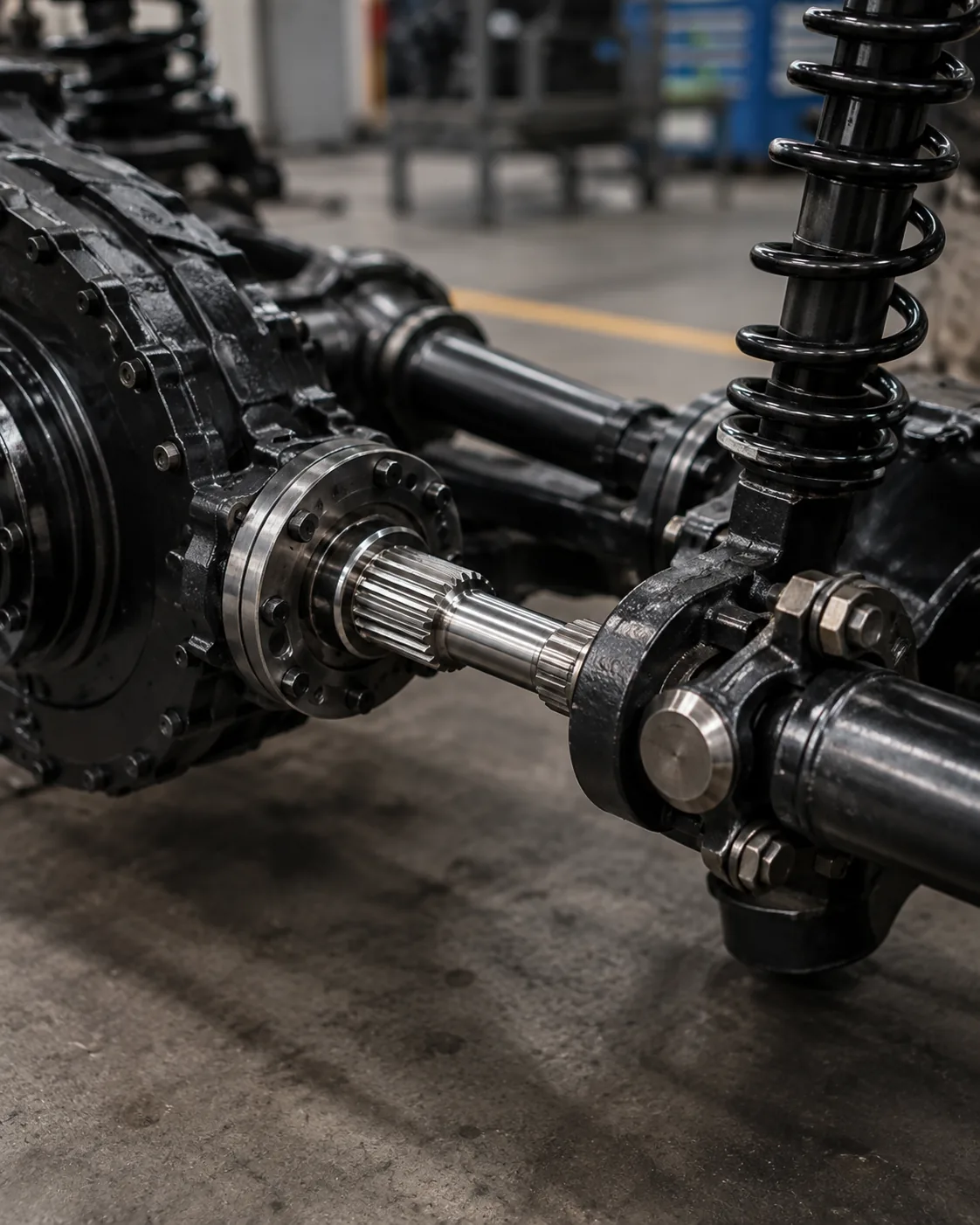
Kućišta podmazana uljem
Kućišta podmazana uljem treba pregledati u kontekstu podmazivanja klinovima. Identificirajte spojnu komponentu, radnu funkciju i karakteristiku crteža koju ova odluka kontrolira. Zahtjev treba biti mjerljiv i povezan s prianjanjem, prijenosom obrtnog momenta, poravnanjem, habanjem ili drugom definiranom potrebom sklopa.
Razmotrite odluku zajedno sa stanjem materijala, redoslijedom proizvodnje i pristupom za inspekciju. Ako je dio zamjenski, uporedite neistrošenu geometriju i spojni element umjesto kopiranja oštećenja. Za nove dizajne, održavajte fleksibilne izbore procesa, osim ako sam dizajn ne zahtijeva specifičan proces. Za ponovljene radove, zadržite iste podatke i osnovu mjerenja, osim ako se ne promijene zahtjevi za montažu. U RFQ-u za podmazivanje klinovima, vezajte ovu tačku za spojni element, shemu podataka i metodu prihvatanja gotovog dijela.
Kontrola kontaminacije
Kontrola kontaminacije treba pregledati u kontekstu podmazivanja klinovima. Identificirajte spojnu komponentu, radnu funkciju i karakteristiku crteža koju ova odluka kontrolira. Zahtjev treba biti mjerljiv i povezan s prianjanjem, prijenosom obrtnog momenta, poravnanjem, habanjem ili drugom definiranom potrebom sklopa.
Razmotrite odluku zajedno sa stanjem materijala, redoslijedom proizvodnje i pristupom za inspekciju. Ako je dio zamjenski, uporedite neistrošenu geometriju i spojni element umjesto kopiranja oštećenja. Za nove dizajne, održavajte fleksibilne izbore procesa, osim ako sam dizajn ne zahtijeva specifičan proces. Kada se promijeni radni zadatak ili spojni element, ponovo razmotrite ovu tačku umjesto da prenesete prethodnu pretpostavku. U RFQ-u za podmazivanje klinovima, ostavite ovu tačku vezanom za spojni element, shemu referentnih vrijednosti i metodu prihvatanja gotovog dijela.
Kompatibilnost sa zaptivkama
Kompatibilnost sa zaptivkama treba pregledati u kontekstu podmazivanja klinovima. Identificirajte spojnu komponentu, radnu funkciju i karakteristiku crteža koju ova odluka kontrolira. Zahtjev treba biti mjerljiv i povezan s prianjanjem, prijenosom obrtnog momenta, poravnanjem, habanjem ili drugom definiranom potrebom sklopa.
Razmotrite odluku zajedno sa stanjem materijala, redoslijedom proizvodnje i pristupom za inspekciju. Ako je dio zamjenski, uporedite neistrošenu geometriju i spojni element umjesto kopiranja oštećenja. Za nove dizajne, ostavite otvorene izbore procesa fleksibilnim, osim ako dizajn ne zahtijeva specifičan proces sam po sebi. Za ovu temu, povežite tu odluku sa spojnim elementom i revizijom crteža korištenom za RFQ (zahtjev za ponudu). Za razmatranja podmazivanja za klizne i fiksne spojeve sa žljebovima, zabilježite rezultirajući zahtjev na crtežu ili specifikaciji kupovine kako bi ostao konzistentan pri ponovljenim narudžbama.
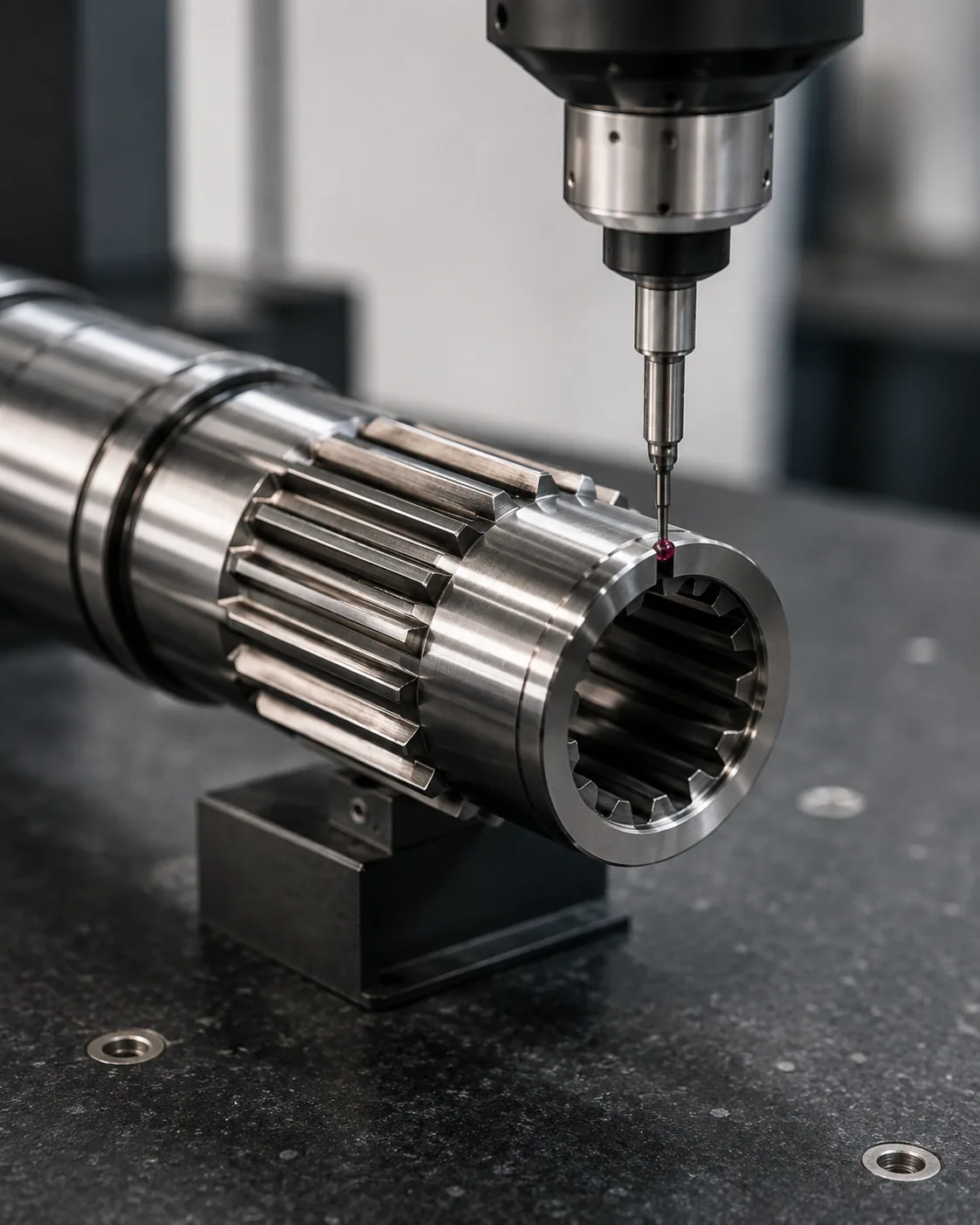
Ublažavanje uznemiravanja
Ublažavanje uznemiravanja treba istražiti kao simptom potpunog parnog spoja. Zabilježite gdje se oštećenje javlja, da li je simetrično, stanje suprotnog člana, historiju podmazivanja i sve probleme s labavošću ili poravnanjem prije nego što se dijelovi očiste ili odbace.
Korektivne mjere zavise od mehanizma. Tvrđa zamjenska osovina neće popraviti ekscentričnu glavčinu, neadekvatan spoj ili kontaminirano mazivo. Uporedite oba elementa, provjerite ležajeve nosača i referentne vrijednosti i provjerite namjeravano prianjanje prije promjene materijala ili tolerancije. U ovom pregledu, koristan kriterij prihvatanja je onaj koji se može pratiti do funkcionalne karakteristike crteža. Prilikom pregleda podmazivanja klinova, ponovo se osvrnite na ovu tačku kad god se promijeni spojna komponenta, stanje materijala ili radni režim.
Praktični redoslijed pregleda
Praktični slijed pregleda počinje sa spojnom komponentom i putanjom obrtnog momenta, zatim se potvrđuje sistem zuba, zahvat i karakteristike osovine koje lociraju spoj. Zatim se definira materijal i termička obrada, funkcionalne završne obrade i sve zahtjeve za odstupanje ili položaj. Za ponovljeni rad, zadržite isti podatak i osnovu mjerenja osim ako se zahtjevi za montažu ne promijene. Prilikom pregleda podmazivanja žljebova, ponovo se obratite ovoj tački kad god se promijeni spojna komponenta, stanje materijala ili radni režim.
Završite usaglašavanjem metode inspekcije, količine i dokumentacije prvog artikla. Ovaj redoslijed sprječava donošenje odluka o procesu ili tolerancijama prije nego što se razumije funkcionalni interfejs i olakšava poređenje ponuda jer se isti ulazi u dizajn predstavljaju svakom dobavljaču. Kada se promijeni radni zadatak ili spojni element, ponovo se obratite ovoj tački umjesto da se prethodna pretpostavka nastavi. Prilikom pregleda podmazivanja klinova, ponovo se obratite ovoj tački kad god se promijeni spojni element, stanje materijala ili radni zadatak.
Osnova servisnog intervala
Osnova servisnog intervala stavlja klinastu konstrukciju u operativni kontekst. Smjer obrtnog momenta, udarno opterećenje, kontaminacija, podmazivanje, aksijalno kretanje, oslonac ležaja i pristup za servisiranje mogu promijeniti praktičnost prianjanja i stanja materijala.
Za RFQ (Zahtjev za ponudu), opišite stvarnu funkciju mašine ili sklopa i navedite odgovarajuću komponentu. Zahtjevi za zamjenu trebaju uključivati fotografije istrošenosti i mjerenja s neistrošenih područja. Ove informacije pomažu u odvajanju problema s geometrijom od problema s poravnanjem, podmazivanjem ili održavanjem na drugim mjestima u sistemu. Za ovu temu, povežite tu odluku sa odgovarajućom komponentom i revizijom crteža korištenom za RFQ. Prilikom pregleda podmazivanja klinova, ponovo se obratite ovoj tački kad god se promijeni odgovarajuća komponenta, stanje materijala ili radni režim.
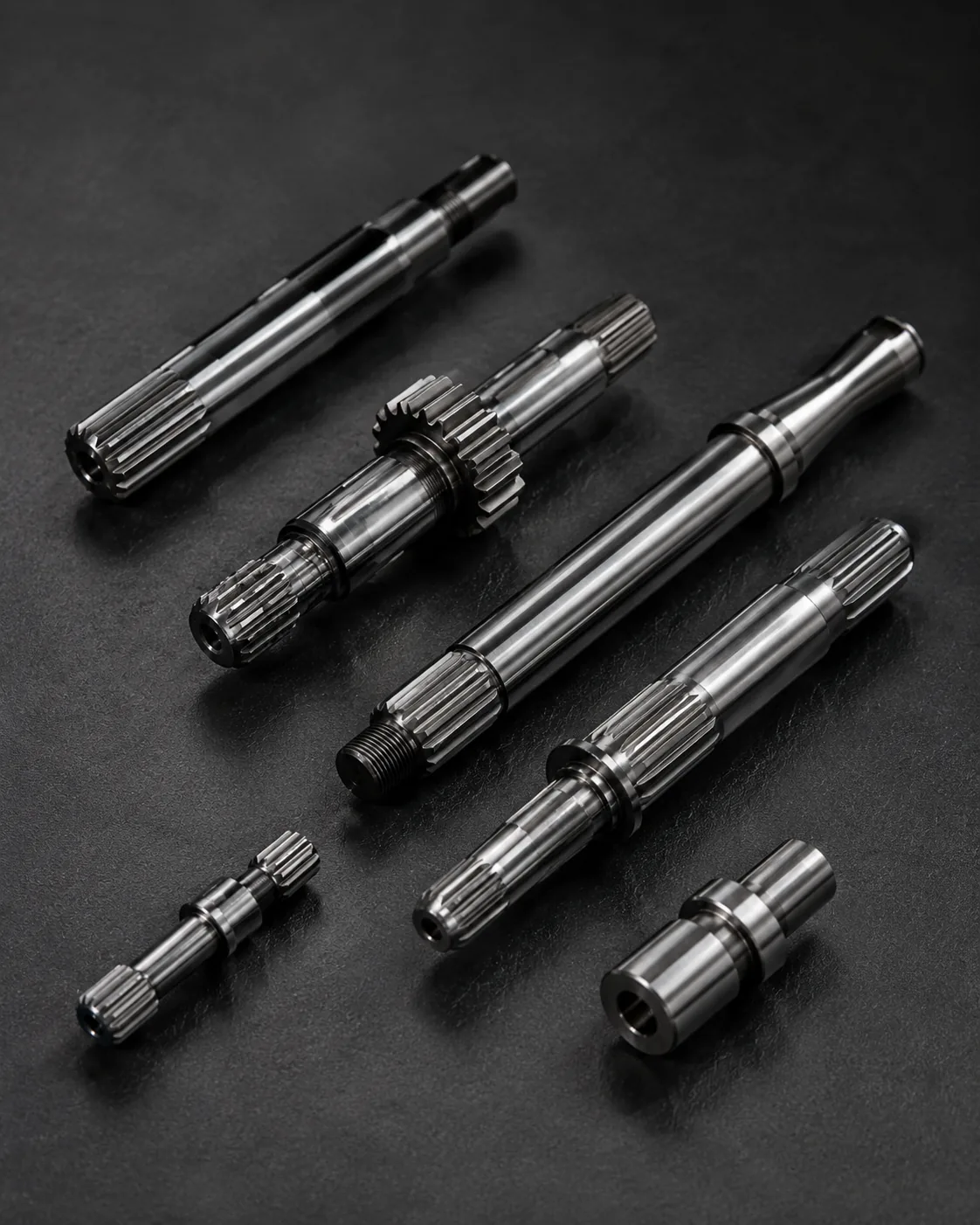
Izbjegavajte nepotvrđene recepte za lubrikante
Izbjegavajte nepotvrđene recepte za lubrikante treba pregledati u kontekstu podmazivanja klinovima. Identificirajte spojnu komponentu, radnu funkciju i karakteristiku crteža koju ova odluka kontrolira. Zahtjev treba biti mjerljiv i povezan s prianjanjem, prijenosom obrtnog momenta, poravnanjem, habanjem ili drugom definiranom potrebom sklopa.
Razmotrite odluku zajedno sa stanjem materijala, redoslijedom proizvodnje i pristupom za inspekciju. Ako je dio zamjenski, uporedite neistrošenu geometriju i spojni element umjesto kopiranja oštećenja. Za nove dizajne, ostavite otvorene izbore procesa fleksibilnim, osim ako sam dizajn ne zahtijeva specifičan proces. U ovom pregledu, koristan kriterij prihvatanja je onaj koji se može pratiti do funkcionalne karakteristike crteža. Za razmatranja podmazivanja za klizne i fiksne spojeve s klinovima, primijenite ovu provjeru na specifični interfejs podmazivanja klinovima prikazan na trenutnom crtežu.
Uobičajene greške koje treba izbjegavati
Uobičajene greške kod podmazivanja žljebovima nastaju zbog tretiranja jedne nominalne vrijednosti kao da ona definira cijeli spoj. Nedostatak kuta pritiska, nejasni podaci, kopirane dimenzije habanja, neodređena lokacija tvrdoće i neusklađene metode inspekcije mogu stvoriti dijelove koji izgledaju ispravno na papiru, ali se ne sklapaju dosljedno.
Bolji pregled počinje sa parom spojnica, identificira putanju opterećenja i karakteristike lociranja, a zatim povezuje geometriju, stanje materijala i inspekciju s tim funkcijama. Zatvorite otvorena pitanja na crtežu prije proizvodnje i zadržite dogovorenu interpretaciju s revizijom za ponovljene narudžbe. Za ponovljene radove, zadržite isti referentni element i osnovu mjerenja osim ako se zahtjevi za montažu ne promijene. U RFQ-u za podmazivanje klinastim spojem, zadržite ovu tačku vezanom za par spojnica, shemu referentnih elemenata i metodu prihvatanja gotovog dijela.
Sažetak odluke
| Područje odlučivanja | Šta potvrditi | Zašto je to važno |
|---|---|---|
| Geometrija spajanja | Sistem zuba, prečnici, zahvat i prianjanje | Kontrolira kompatibilnost i bočni kontakt |
| Lokacija | Referentni podaci, rukavci, ramena i izlaz | Kontroliše poravnanje u sklopu |
| Materijalno stanje | Vrsta, termička obrada, tvrdoća i završna obrada | Definiše završeno mehaničko stanje i stanje habanja |
| Dužnost | Obrtni moment, brzina, udar, kretanje i okolina | Povezuje definiciju dijela s radnim uvjetima |
| Inspekcija | Kontrolisane karakteristike i metoda mjerenja | Održava dosljednost prihvatanja između dobavljača i kupca |
Kontrolna lista specifikacija
- Spojna komponenta i vanjska/unutrašnja orijentacija zuba
- Modul ili sistem koraka, broj zuba, ugao pritiska i veći/manji prečnici
- Efektivno zahvatanje, dosjed ili osnova tolerancije i aksijalno kretanje ako je potrebno
- Materijal, termička obrada, lokacija tvrdoće i funkcionalne površinske obrade
- Zahtjevi za referentne vrijednosti, promjere ležaja ili pilota, odstupanje i aksijalni položaj
- Obrtni moment, brzina, udarno ili reverzno opterećenje, podmazivanje i radno okruženje
- Količina, zahtjevi za prvi artikl i dogovorena dokumentacija o inspekciji
Koristite Asortiman proizvoda za osovine sa žljebovima da uporedite dostupne konfiguracije i Kontrolna lista za nacrt RFQ-a pripremiti potpuni upit. Kada se promijeni radni ili spojni član, ponovo razmotrite ovu tačku umjesto da se pridržavate prethodne pretpostavke. Za razmatranja podmazivanja kliznih i fiksnih spojeva sa žljebovima, primijenite ovu provjeru na specifični interfejs za podmazivanje žljebova prikazan na trenutnom crtežu.
Inženjerski radni list za podmazivanje klinova
Koristite ovaj radni list da biste okrenuli Razmatranja podmazivanja za klizne i fiksne spojeve sa žljebovima u odluke koje se mogu prikazati na crtežu, provjeriti tokom citiranja i verificirati u prvom artiklu. Počnite sa Potrebe za podmazivanjem kod fiksnih i kliznih vozila i Zadržavanje masti, jer te dvije stavke obično definiraju ili geometriju spajanja ili uvjet materijala koji ostatak procesa mora podržati. Zatim pregledajte Kućišta podmazana uljem, Kontrola kontaminacije i Kompatibilnost sa zaptivkama u odnosu na stvarnu montažu, umjesto da ih tretiraju kao nezavisne kataloške vrijednosti.
Za rješavanje problema, dokumentirajte stanje prije nego što se dijelovi očiste ili odbace. Zabilježite mjesto istrošenosti, ostatke, poliranje, koroziju, promjenu boje, nagrizanje, kontakt ivica zuba i sve razlike po obodu. Provjerite spojni dio, stanje ležaja, putanju podmazivanja i poravnanje sklopa. Zamjena zasnovana samo na oštećenom vratilu može reproducirati isti problem ako je osnovni uzrok negdje drugdje u spoju. Za razmatranja podmazivanja kliznih i fiksnih spojeva sa žljebovima, primijenite ovu provjeru na specifični interfejs za podmazivanje žljebova prikazan na trenutnom crtežu.
Koristite fiksne naspram kliznih potreba za podmazivanjem, kućišta podmazana uljem i kompatibilnost sa zaptivkama kako biste odvojili simptom od uzroka. Uporedite mjerenja na neistrošenim područjima, provjerite referentne vrijednosti i odstupanje te potražite dokaze o nedovoljnom zahvatu ili neravnomjernom kontaktu boka. Ako se radni režim promijenio, dodajte novi obrtni moment, brzinu, frekvenciju preokretanja, temperaturu ili stanje kontaminacije u inženjerski pregled prije nego što se objavi zamjenski crtež.
Redoslijed pregleda crteža
Prije nego što zatražite proizvodnju, pregledajte crtež istim redoslijedom kojim sklop funkcionira: sistem zubaca koji se spajaju, efektivno zahvatanje, lociranje referentnih tačaka, susjedni rukavci ili ramena, materijal i termička obrada, funkcionalne završne obrade i metoda inspekcije. Za podmazivanje klinova, redoslijed je važan jer kasnije odluke poput odabira procesa ili izbora mjerača trebaju podržavati sučelje, a ne redefinirati ga.
| Stavka radnog lista | Pitanje na koje treba odgovoriti | Izlaz zahtjeva za ponudu (RFQ) |
|---|---|---|
| Potrebe za podmazivanjem kod fiksnih i kliznih vozila | Koju funkciju asemblera kontrolira ova karakteristika? | Dimenzija, tolerancija ili referenca za spajanje |
| Zadržavanje masti | Koji gotovi uslov mora biti postignut? | Obavijest o materijalu / termičkoj obradi / završnoj obradi |
| Kućišta podmazana uljem | Kako će se provjeriti karakteristika? | Metoda inspekcije ili izvještaj |
| Kontrola kontaminacije | Kako se suprotni član angažuje? | Informacije o parenju i zarukama |
| Kompatibilnost sa zaptivkama | Koji podatak utvrđuje funkcionalnu lokaciju? | Odnos referentne tačke i izlaznog toka |
Primopredaja nabavke prije prvog artikla
Koristan paket za kupovinu Razmatranja podmazivanja za klizne i fiksne spojeve sa žljebovima Sadrži kontrolirani crtež, količinu, materijal i uvjete termičke obrade, informacije o spojnom međupovršinskom spoju i karakteristike prihvatljivosti koje zahtijevaju izvještavanje. Ako se isporučuje 3D model, 2D crtež i dalje treba sadržavati tolerancije, podatke, napomene o termičkoj obradi i zahtjeve za inspekciju. Identifikujte trenutnu reviziju u RFQ-u kako proizvodnja i inspekcija ne bi funkcionirale iz različitih verzija.
Kada karakteristika još nije određena, označite je radi inženjerskog pojašnjenja, umjesto da unosite prikladnu vrijednost. Za podmazivanje žljebom, uobičajene otvorene stavke su zahvat, prianjanje, lokacija tvrdoće, odstupanje od susjednog rukavca, pristup unutrašnjim elementima ili stanje istrošene komponente za spajanje. Rješavanje tih tačaka prije prvog artikla smanjuje izbježivu ponovnu obradu i olakšava kontrolu kasnijih ponovljenih narudžbi.
Kontrolna lista prije objavljivanja
- Potvrdite potrebe za podmazivanjem fiksnih u odnosu na klizne dijelove u odnosu na stvarnu spojnu komponentu.
- Potvrdite zadržavanje masti u gotovom stanju.
- Definirajte kako će se pregledavati kućišta podmazana uljem.
- Provjerite kontrolu kontaminacije pod predviđenim uslovima montaže.
- Povežite kompatibilnost sa zaptivkama sa funkcionalnom strukturom podataka.
- Navedite količinu, nivo revizije i sve zahtjeve za dokumentaciju za prvi članak.
- Zabilježite promjene u radnom režimu, podmazivanju ili spojnoj opremi za ponovljene narudžbe.
Često postavljana pitanja
Šta trebam potvrditi u vezi s potrebama za podmazivanjem fiksnih u odnosu na klizna podmazivanja kod podmazivanja žljebova?
Prvo povežite potrebe za podmazivanjem fiksnih i kliznih dijelova sa spojnom komponentom i funkcijom sklopa. Navedite mjerljivi zahtjev na kontroliranom crtežu i uključite suprotni element kada kompatibilnost ovisi o oba dijela. Za razmatranja podmazivanja za klizne i fiksne spojeve sa žljebovima, ovo sprječava da nominalna oznaka zamijeni geometriju koja zapravo kontrolira prianjanje i prijenos obrtnog momenta.
Šta trebam potvrditi u vezi zadržavanja masti za podmazivanje žljebova?
Potvrdite zadržavanje masti u gotovom stanju, uključujući bilo koji materijal, termičku obradu, površinsko ili dimenzionalno stanje koje se može promijeniti nakon obrade. Ako zahtjev ovisi o lokaciji ili podatku, to eksplicitno pokažite kako bi proizvodnja i inspekcija koristili istu referencu.
Šta trebam potvrditi u vezi s kućištima podmazanim uljem za podmazivanje žljebovima?
Odaberite metodu inspekcije koja mjeri karakteristiku navedenu na crtežu. Funkcionalno mjerenje, analitičko mjerenje klinova, provjere CMM-om, inspekcija odstupanja, mjerenje hrapavosti i ispitivanje tvrdoće odgovaraju na različita pitanja. Navedite koji je rezultat potreban za prihvatanje umjesto da tražite generički izvještaj o inspekciji. Za razmatranja podmazivanja kliznih i fiksnih klinastih spojeva, zabilježite rezultirajući zahtjev na crtežu ili specifikaciji kupovine kako bi ostao dosljedan pri ponovljenim narudžbama.
Šta trebam potvrditi u vezi s kontrolom kontaminacije za podmazivanje žljebova?
Provjerite kontrolu kontaminacije sa stvarnim spojnim dijelom i namjeravanim stanjem montaže. Efektivno spajanje, zazor, aksijalno kretanje, temperatura i habanje u zamjenskoj glavčini mogu utjecati na ponašanje spoja. Novo vratilo ne bi trebalo prihvatiti ili odbaciti samo na osnovu osjećaja kada je dostupan mjerljiv zahtjev za prianjanje.
Šta trebam potvrditi u vezi kompatibilnosti sa zaptivkama za podmazivanje žljebova?
Povežite kompatibilnost sa zaptivkama sa elementima koji lociraju rotaciju u sklopu. Crtež treba jasno da prikazuje referentnu tačku i svaki odnos odstupanja ili položaja. Ako termička obrada ili završna mašinska obrada mogu pomjeriti element, provjerite odnos u fazi koja predstavlja gotov dio.
Od inženjerskih odluka do kontrole proizvodnje
Nakon što se dogovori interfejs, svaku funkcionalnu odluku prevedite u crtež koji se može proizvesti i pregledati. Izbjegavajte ostavljanje ključnih odnosa samo u bilješkama putem e-pošte. Dimenzije, referentni podaci, uslovi termičke obrade i zahtjevi za prihvatanje trebaju biti kontrolirani revizijom kako bi proizvodni tim i tim za inspekciju radili po istoj definiciji. Za ponovljene radove, zadržite iste referentne podatke i osnovu mjerenja, osim ako se zahtjevi za montažu ne promijene. Za razmatranja podmazivanja kliznih i fiksnih spojeva sa žljebovima, zabilježite rezultirajući zahtjev na crtežu ili specifikaciji kupovine kako bi ostao konzistentan pri ponovljenim narudžbama.
Za prve artikle, dajte prioritet karakteristikama koje dokazuju kompatibilnost sklopa: geometrija zuba, spajanje, odnos prema ležajnim rukavcima ili ramenima, stanje termičke obrade i svako kritično odstupanje. Zabilježite metodu mjerenja zajedno s rezultatom. Kod ponovljenih narudžbi, korištenje istog podešavanja podataka i pristupa mjerenju olakšava prepoznavanje promjena trendova i smanjuje sporove uzrokovane različitim interpretacijama inspekcije. Kada se promijeni radni zadatak ili spojni element, ponovo se obratite ovoj tački umjesto da se prethodna pretpostavka nastavi. Prilikom pregleda podmazivanja klinova, ponovo se obratite ovoj tački kad god se promijeni spojni element, stanje materijala ili radni zadatak.
Kada se promijeni radni režim, ponovo otvorite inženjerski pregled umjesto da pretpostavite da je stara specifikacija i dalje prikladna. Veći obrtni moment, povećani udari, češći preokreti, drugačije podmazivanje ili nova spojna komponenta mogu promijeniti kontakt i habanje čak i ako nominalna veličina žljeba ostane ista. Crtež bi se trebao razvijati sa stvarnim zahtjevima montaže. Za ovu temu, povežite tu odluku sa spojnom komponentom i revizijom crteža korištenom za RFQ (zahtjev za ponudu). U RFQ-u za podmazivanje žljeba, ova tačka mora biti povezana sa spojnim elementom, shemom podataka i metodom prihvatanja gotovog dijela.
Pripremite zahtjev za ponudu (RFQ)
- Trenutni 2D crtež i revizija
- Definicija komponente za spajanje i splajna
- Materijal, termička obrada i funkcionalna završna obrada
- Obrtni moment, brzina, radni tok i okruženje
- Količina i potrebna dokumentacija za inspekciju
Kompletan upit kombinuje crtež, spojni spoj, stanje materijala, radni tok, količinu i očekivanja inspekcije. Kada se ovi ulazni podaci definišu rano, dobavljači mogu planirati alate, termičku obradu, završnu obradu i mjerenje oko istog funkcionalnog zahtjeva, smanjujući cikluse razjašnjenja prije prvog artikla. U ovom pregledu, koristan kriterij prihvatanja je onaj koji se može pratiti do funkcionalne karakteristike crteža. Za razmatranja podmazivanja kliznih i fiksnih spojeva sa žljebovima, zabilježite rezultirajući zahtjev na crtežu ili specifikaciji kupovine kako bi ostao konzistentan pri ponovljenim narudžbama.
Pretvorite vodič u zahtjev za ponudu (RFQ)
Pošaljite kontrolirani crtež, spojni spoj, stanje materijala i informacije o radu na tehnički pregled.
Zatražite ponudu