Шлицевые соединения во входном и выходном валах коробки передач — Шлицы входного и выходного валов редуктора должны взаимодействовать с опорой подшипника, местом расположения уплотнения, муфтой или ступицей, а также направлением крутящего момента редуктора. Поэтому на чертеже шлицов следует соотносить геометрию зубьев и их посадку с шейками, упорами и пространством для демонтажа, а не рассматривать шлицы как изолированный элемент.
Для шлицевой вал коробки передачНаиболее надежной спецификацией является та, которую проектировщик, покупатель, производитель и инспектор могут интерпретировать одинаково. В дальнейшем обсуждении основное внимание уделяется измеримым параметрам чертежа, условиям сборки и практическим проверкам, а не универсальным показателям крутящего момента, посадки или срока службы, которые невозможно определить без полных данных о геометрии и условиях эксплуатации.
Рабочие нагрузки на входной и выходной валы
Рабочие нагрузки на входной и выходной валы Данный вопрос следует рассматривать в контексте шлицевого вала коробки передач. Необходимо определить сопрягаемый компонент, функцию работы и элемент чертежа, на которые влияет это решение. Требование должно быть измеримым и связанным с посадкой, передачей крутящего момента, выравниванием, износом или другими определенными потребностями сборки.
Принимая решение, учитывайте состояние материала, последовательность изготовления и доступ для осмотра. Если деталь является заменой, сравните геометрию неповрежденной детали с сопрягаемым элементом, а не копируйте повреждения. Для новых конструкций сохраняйте гибкость в выборе технологического процесса, если только конкретный процесс сам по себе не требуется для данной конструкции. В рамках этой темы свяжите это решение с сопрягаемым компонентом и версией чертежа, использованной для запроса коммерческого предложения. Для шлицевых соединений во входных и выходных валах редуктора примените эту проверку к конкретному интерфейсу шлицевого вала редуктора, показанному на текущем чертеже.
Опора подшипника редуктора
Опора подшипника редуктора Определяет положение шлицевого вала относительно элементов, обеспечивающих вращение. Функциональные базовые точки обычно выбираются из диаметров цапф, направляющих отверстий, выступов или других поверхностей, которые фиксируют компонент в сборке. Допуск должен воспроизводить это соотношение во время контроля.
Избегайте использования геометрических допусков в качестве отдельных показателей качества. Определите, какое отклонение может допускать сборка, укажите базовую систему координат и задайте контролируемый элемент. Термическая обработка и окончательная отделка могут изменить это соотношение, поэтому измерение следует проводить на этапе производства, соответствующем готовой детали. В данном обзоре полезным критерием приемки является тот, который можно отследить до функциональной характеристики чертежа. Для шлицевых соединений на входном и выходном валах редуктора примените эту проверку к конкретному интерфейсу шлицевого вала редуктора, показанному на текущем чертеже.
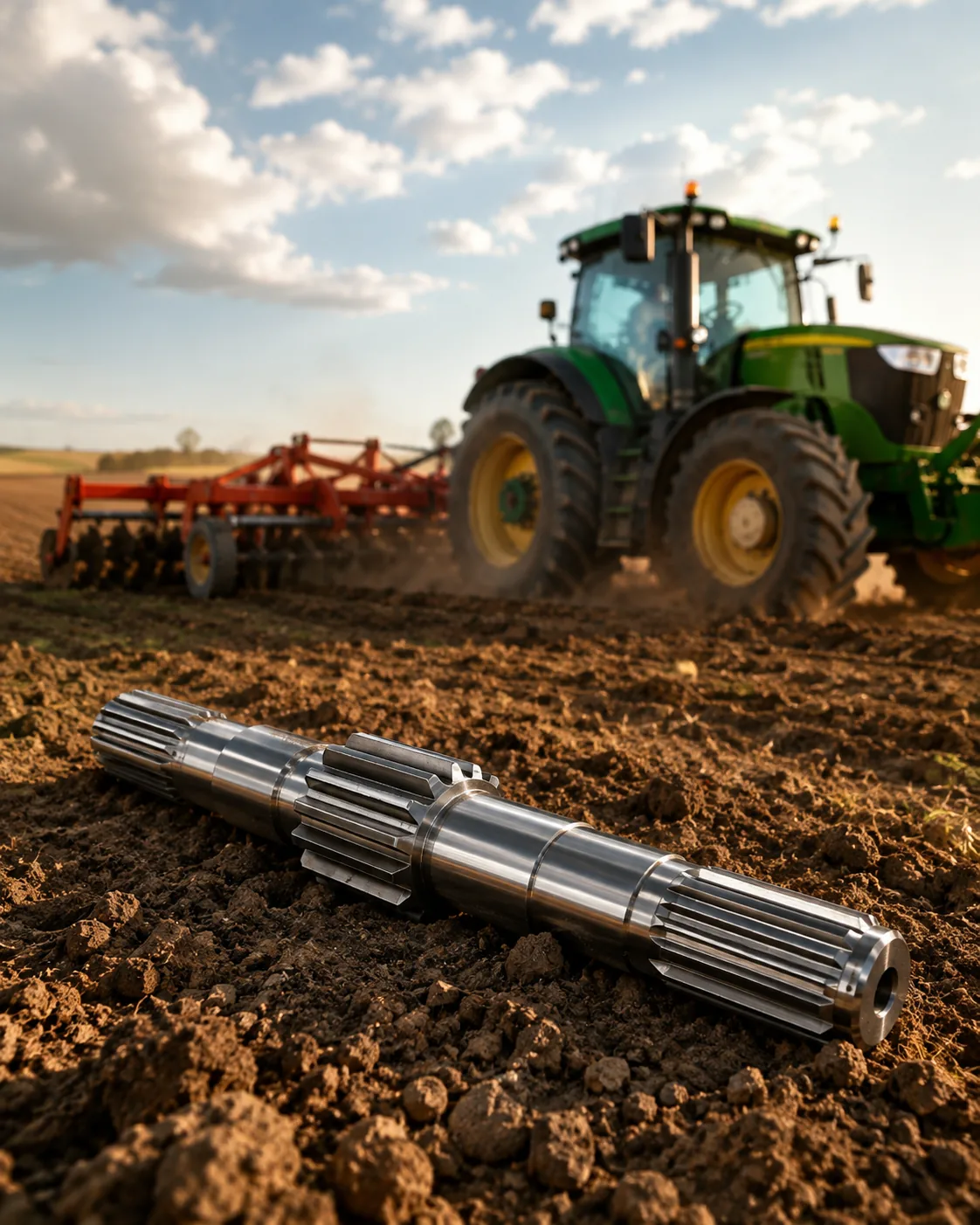
Взаимосвязь печати и журнала
Взаимосвязь печати и журнала Определяет положение шлицевого вала относительно элементов, обеспечивающих вращение. Функциональные базовые точки обычно выбираются из диаметров цапф, направляющих отверстий, выступов или других поверхностей, которые фиксируют компонент в сборке. Допуск должен воспроизводить это соотношение во время контроля.
Избегайте использования геометрических допусков в качестве отдельных показателей качества. Определите допустимое отклонение узла, укажите базовую систему координат и уточните контролируемый элемент. Термическая обработка и окончательная отделка могут изменить это соотношение, поэтому измерение следует проводить на этапе производства, соответствующем готовой детали. При повторных заказах сохраняйте ту же базовую систему координат и основу измерения, если требования к узлу не меняются. Для шлицевых соединений во входных и выходных валах редукторов зафиксируйте результирующие требования на чертеже или в спецификации на закупку, чтобы они оставались неизменными при повторных заказах.
Соединение муфты или узла
Соединение муфты или узла Это влияет на площадь контакта, ощущение при сборке и распределение нагрузки. Эффективное зацепление — это длина, на которой боковые поверхности зубьев могут фактически нести нагрузку; фаски, выемки и неполные участки зубьев не следует автоматически учитывать как рабочую длину.
Посадка должна оцениваться как посадка пары сопрягаемых элементов. Толщина зубьев, ширина зазора, диаметр зазоров, соосность и температура — все это влияет на результат. При замене необходимо осмотреть обе детали, поскольку износ ступицы может привести к тому, что новый вал будет казаться люфтящим, даже если новый внешний шлиец находится в пределах допусков, указанных на чертеже. При изменении назначения или сопрягаемого элемента следует вернуться к этому моменту, а не использовать предыдущее предположение. Для шлицевых соединений во входных и выходных валах редукторов необходимо зафиксировать соответствующие требования на чертеже или в спецификации закупки, чтобы они оставались неизменными при повторных заказах.
Ударная и реверсивная нагрузка
Ударная и реверсивная нагрузка Данный вопрос следует рассматривать в контексте шлицевого вала коробки передач. Необходимо определить сопрягаемый компонент, функцию работы и элемент чертежа, на которые влияет это решение. Требование должно быть измеримым и связанным с посадкой, передачей крутящего момента, выравниванием, износом или другими определенными потребностями сборки.
Принимая решение, учитывайте состояние материала, последовательность изготовления и доступ для осмотра. Если деталь является заменой, сравните геометрию неповрежденной детали с сопрягаемым элементом, а не копируйте повреждения. Для новых конструкций сохраняйте гибкость в выборе технологического процесса, если только конкретный процесс сам по себе не требуется для данной конструкции. В рамках этой темы свяжите это решение с сопрягаемым компонентом и версией чертежа, использованной для запроса коммерческого предложения. Для шлицевых соединений во входных и выходных валах редукторов зафиксируйте результирующее требование на чертеже или в спецификации закупки, чтобы оно оставалось согласованным при повторных заказах.
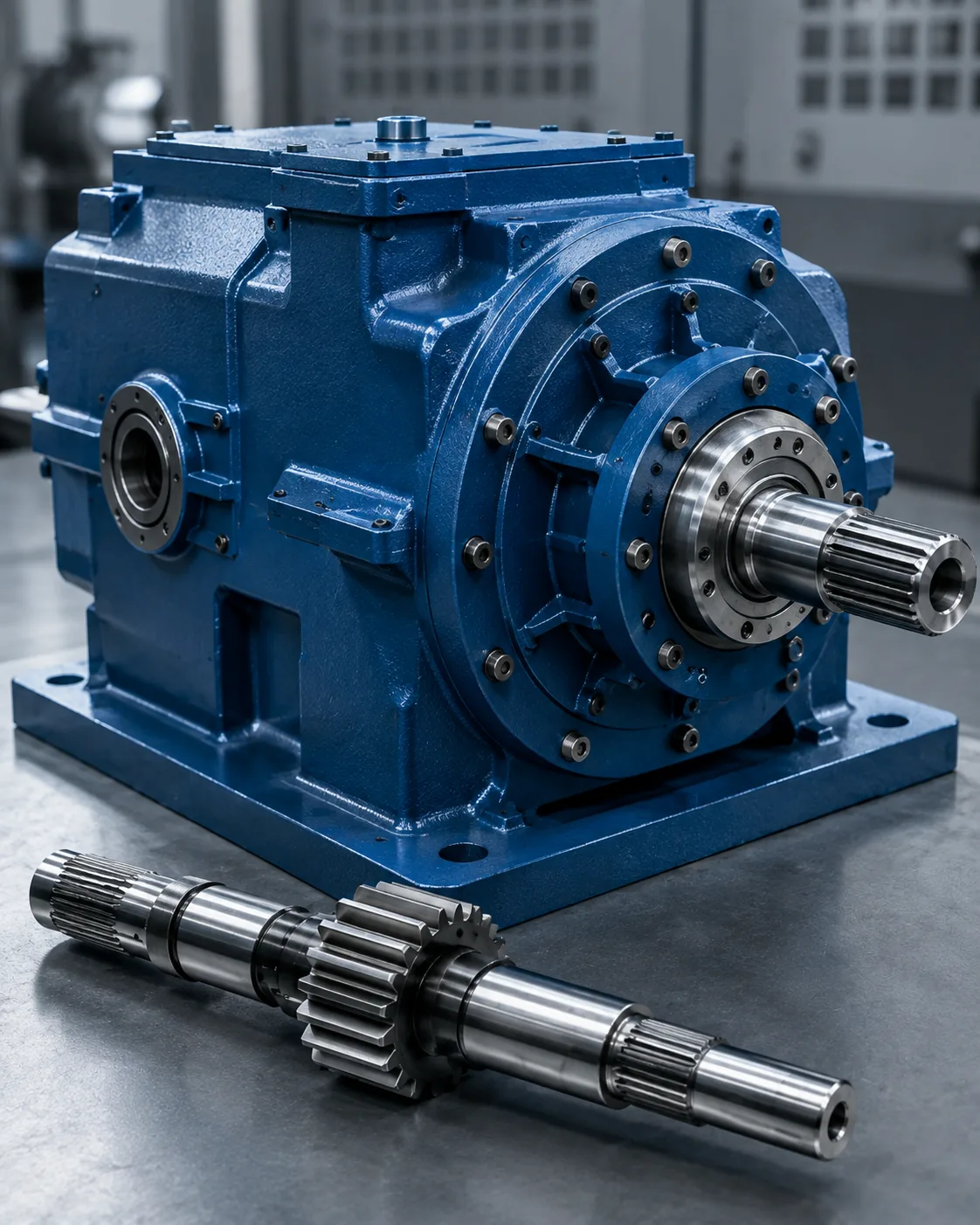
Место для демонтажа оборудования
Место для демонтажа оборудования Это позволяет оценить шлицевое соединение в условиях эксплуатации. Направление крутящего момента, ударные нагрузки, загрязнение, смазка, осевое перемещение, опора подшипника и доступ для обслуживания — все это может изменить практически осуществимые параметры посадки и состояние материала.
В запросе на коммерческое предложение (RFQ) опишите фактическую функцию машины или узла и укажите сопрягаемый компонент. Запросы на замену должны включать фотографии износа и измерения неповрежденных участков. Эта информация помогает отделить проблемы геометрии от проблем выравнивания, смазки или технического обслуживания в других частях системы. В данном обзоре полезным критерием приемки является тот, который можно отследить до функциональной характеристики чертежа. При проверке шлицевого вала редуктора следует возвращаться к этому пункту всякий раз, когда изменяется сопрягаемый компонент, состояние материала или режим работы.
Последовательность практических обзоров
Практическая проверка начинается с определения сопрягаемого компонента и пути передачи крутящего момента, затем подтверждается система зубьев, зацепление и особенности вала, определяющие место соединения. Далее определяются материал и термообработка, функциональная обработка поверхности, а также любые требования к биению или положению. При повторной работе следует сохранять ту же базовую точку и основу измерения, если требования к сборке не меняются. Для шлицевых соединений на входных и выходных валах редуктора эту проверку следует применить к конкретному интерфейсу шлицевого вала редуктора, показанному на текущем чертеже.
Завершите согласованием метода контроля, количества и документации на первый образец. Такой порядок предотвращает принятие решений по процессу или допускам до того, как будет понят функциональный интерфейс, и упрощает сравнение предложений, поскольку каждому поставщику предоставляются одни и те же проектные данные. При изменении режима работы или сопрягаемого элемента следует вернуться к этому пункту, а не использовать предыдущее предположение. Для шлицевых соединений на входных и выходных валах редуктора примените эту проверку к конкретному интерфейсу шлицевого вала редуктора, показанному на текущем чертеже.
Биение вращающихся элементов
Биение вращающихся элементов Определяет положение шлицевого вала относительно элементов, обеспечивающих вращение. Функциональные базовые точки обычно выбираются из диаметров цапф, направляющих отверстий, выступов или других поверхностей, которые фиксируют компонент в сборке. Допуск должен воспроизводить это соотношение во время контроля.
Избегайте использования геометрических допусков в качестве отдельных показателей качества. Определите, какое смещение может допускать сборка, укажите базовую систему координат и укажите контролируемый элемент. Термическая обработка и окончательная отделка могут изменить это соотношение, поэтому измерение следует проводить на этапе производства, соответствующем готовой детали. В рамках данной темы свяжите это решение с сопрягаемым компонентом и версией чертежа, использованной для запроса коммерческого предложения. Для шлицевых соединений во входных и выходных валах редуктора примените эту проверку к конкретному интерфейсу шлицевого вала редуктора, показанному на текущем чертеже.
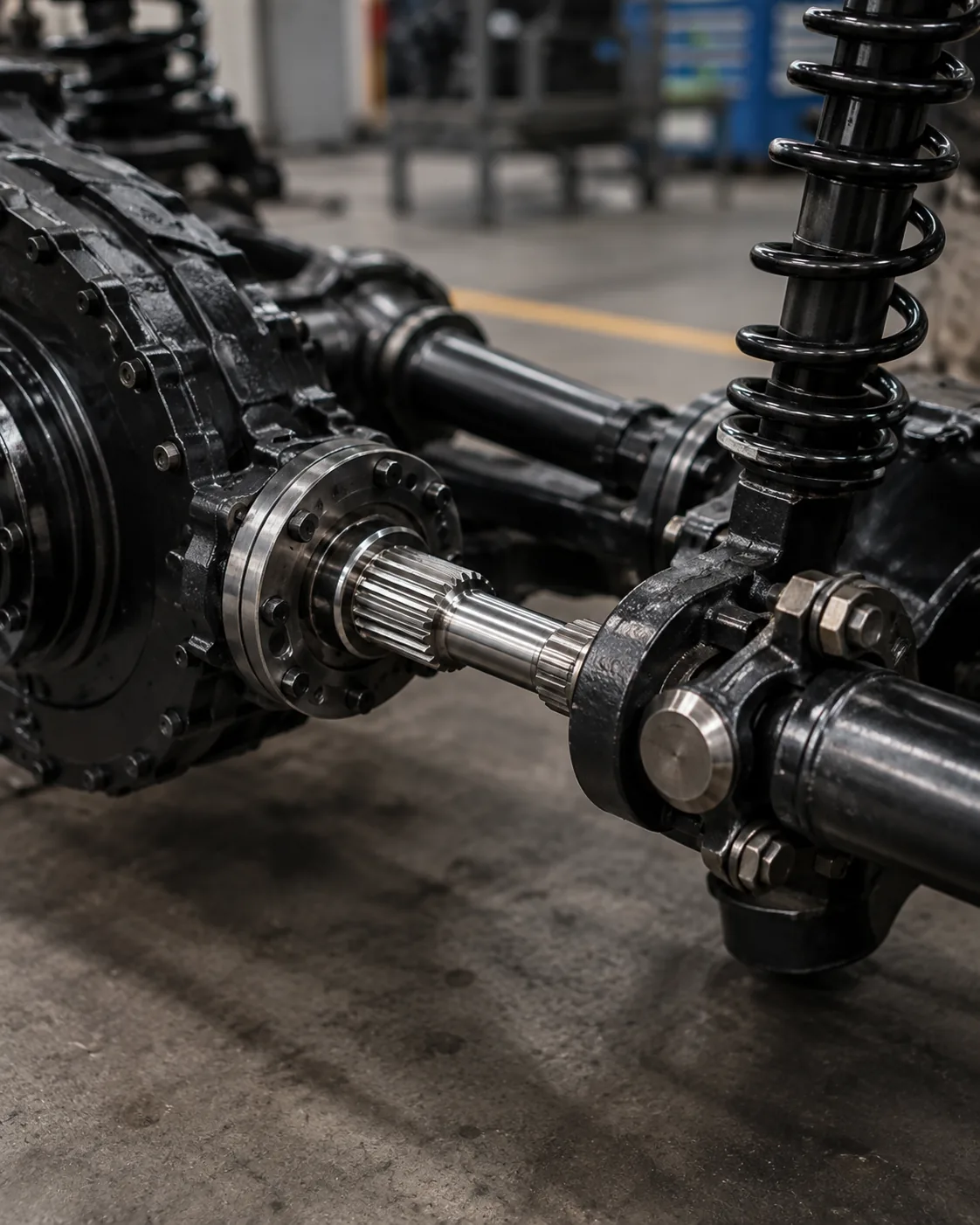
Проверка перед сборкой
Проверка перед сборкой Следует использовать метод, который измеряет характеристики вытяжки непосредственно или функционально. Функциональные измерительные приборы, аналитическое измерение зубьев, контроль с помощью координатно-измерительной машины, измерения пролетов и измерения на штифтах или шариках отвечают на разные вопросы и по умолчанию не являются взаимозаменяемыми.
Если допуски жесткие или если заказчик и поставщик используют различное оборудование, необходимо согласовать метод до начала производства. Для обеспечения повторяемости необходимо контролировать температуру, чистоту и калибровку измерительных приборов. В отчете о проверке следует указать версию чертежа и базовую конфигурацию, чтобы последующие партии можно было сравнивать на одной и той же основе. В данном обзоре полезным критерием приемки является тот, который можно отследить до функциональной характеристики чертежа. Для шлицевых соединений на входных и выходных валах редукторов необходимо зафиксировать результирующие требования на чертеже или в спецификации закупки, чтобы они оставались неизменными при повторных заказах.
Распространенные ошибки, которых следует избегать
Распространенные ошибки при сборке шлицевых валов редукторов возникают из-за того, что одно номинальное значение рассматривается как определяющее всю поверхность соединения. Отсутствие угла зацепления, нечеткие базовые точки, скопированные размеры износа, неуказанное местоположение твердости и несоответствие методов контроля могут привести к тому, что детали будут выглядеть правильно на бумаге, но не будут собираться должным образом.
Более тщательный анализ начинается с выбора сопряженной пары, определения пути передачи нагрузки и мест крепления, а затем связывает геометрию, состояние материала и контроль качества с этими функциями. Закройте открытые вопросы на чертеже до начала производства и сохраните согласованную интерпретацию с изменениями для повторных заказов. Для повторных работ сохраняйте ту же базовую точку и основу измерения, если требования к сборке не меняются. Для шлицевых соединений во входных и выходных валах редуктора зафиксируйте результирующие требования на чертеже или в спецификации закупки, чтобы они оставались согласованными при повторных заказах.
Краткое изложение решения
| Область принятия решений | Что подтвердить | Почему это важно |
|---|---|---|
| Геометрия сочленения | Система зубьев, диаметры, зацепление и посадка | Совместимость элементов управления и контакт с боковыми поверхностями |
| Расположение | Базовые точки, журналы, плечи и биение | Контролирует выравнивание в сборке. |
| Материальное состояние | Марка стали, термообработка, твердость и отделка. | Определяет конечное механическое состояние и состояние износа. |
| Долг | Крутящий момент, скорость, удар, движение и окружающая среда | Связывает описание детали с условиями эксплуатации. |
| Проверка | Контролируемые характеристики и метод измерения | Обеспечивает согласованность приемки между поставщиком и покупателем. |
Контрольный список технических характеристик
- Сопрягаемый компонент и ориентация зуба снаружи/внутри
- Модуль или система шага, количество зубьев, угол зацепления и большой/малый диаметры.
- Эффективное зацепление, посадка или допуск, а также осевое перемещение при необходимости.
- Материал, термообработка, определение твердости и функциональная обработка поверхности.
- Базовые параметры, диаметры подшипников или направляющих, биение и требования к осевому расположению.
- Крутящий момент, скорость, ударная или реверсивная нагрузка, смазка и условия эксплуатации.
- Количество, требования к первому образцу и согласованная документация по проверке.
Используйте Ассортимент продукции для шлицевых валов для сравнения доступных конфигураций и Контрольный список чертежей для запроса коммерческого предложения Подготовьте полный запрос. При изменении назначения или сопрягаемого элемента вернитесь к этому пункту, вместо того чтобы использовать предыдущее предположение. Для шлицевых соединений на входных и выходных валах редуктора зафиксируйте полученные требования на чертеже или в спецификации на закупку, чтобы они оставались неизменными при повторных заказах.
Техническая спецификация шлицевого вала коробки передач.
Используйте этот рабочий лист, чтобы перевернуть Шлицевые соединения во входном и выходном валах коробки передач к решениям, которые можно отобразить на чертеже, проверить во время составления сметы и подтвердить на первом этапе разработки. Начнем с Рабочие нагрузки на входной и выходной валы и Опора подшипника редуктора, поскольку эти два параметра обычно определяют либо геометрию сопряжения, либо состояние материала, которое должна поддерживать остальная часть процесса. Затем проведите проверку. Взаимосвязь печати и журнала, Соединение муфты или узла и Ударная и реверсивная нагрузка сравнивать с фактической сборкой, а не рассматривать их как независимые каталожные значения.
Для анализа применения опишите всю схему соединения: ведущий и ведомый элементы, опору подшипника, осевое ограничение, доступ к сборке и окружающую среду вокруг шлицевого вала. Добавьте крутящий момент, скорость, ударную или реверсивную нагрузку, загрязнение, смазку и любое скользящее движение. Одна и та же номинальная система зубьев может вести себя по-разному при изменении зацепления, жесткости, соосности или режима работы, поэтому выбор интерфейса должен соответствовать фактическим условиям эксплуатации. В запросе предложений по шлицевым валам редуктора этот момент должен быть привязан к сопрягаемому элементу, базовой схеме и методу приемки готовой детали.
Используйте соотношение рабочих нагрузок входного и выходного валов, а также тип соединения муфты или ступицы в качестве контрольных точек при сборке. Подтвердите совместимость деталей, убедитесь, что доступное зацепление соответствует реальной рабочей длине, а не фаске или зазору, и проверьте, что центрирующие шейки или упоры обеспечивают заданное соосность. При замене деталей в процессе эксплуатации осмотрите обе детали перед заказом; новый вал сам по себе не сможет устранить чрезмерный износ или повреждение в сопряженной ступице.
Последовательность проверки чертежей
Перед заказом на изготовление проверьте чертеж в том же порядке, в котором выполняется сборка: система сопряженных зубьев, эффективное зацепление, опорные точки, смежные шейки или упоры, материал и термообработка, функциональная отделка и метод контроля качества. шлицевой вал коробки передачПорядок действий имеет значение, поскольку последующие решения, такие как выбор процесса или выбор измерительного прибора, должны поддерживать интерфейс, а не переопределять его.
| Пункт рабочего листа | Вопрос, на который нужно ответить | Выход запроса предложений (RFQ) |
|---|---|---|
| Рабочие нагрузки на входной и выходной валы | Какую функцию сборки контролирует этот элемент? | Размер, допуск или ссылка на сопряжение |
| Опора подшипника редуктора | Какого конечного состояния необходимо достичь? | Указание материала / термообработки / отделки |
| Взаимосвязь печати и журнала | Как будет проверяться данная характеристика? | Метод проверки или протокол осмотра |
| Соединение муфты или узла | Как взаимодействует противоположный участник? | Информация о частях тела для спаривания и о помолвке |
| Ударная и реверсивная нагрузка | Какая из этих точек определяет функциональное местоположение? | Взаимосвязь между базовой точкой и биением |
Передача информации о закупках перед публикацией первого образца.
Удобный пакет для закупок Шлицевые соединения во входном и выходном валах коробки передач Содержит контролируемый чертеж, количество, материал и условия термообработки, информацию о сопряжении и характеристики приемки, требующие указания. Если предоставлена 3D-модель, 2D-чертеж должен по-прежнему содержать допуски, базовые точки, примечания по термообработке и требования к контролю качества. Укажите текущую редакцию в запросе предложений, чтобы производство и контроль качества не работали с разными версиями.
Если характеристика еще не определена, отметьте ее для уточнения технических требований, а не указывайте удобное значение. Для шлицевых валов редукторов часто остаются открытыми следующие вопросы: зацепление, посадка, расположение твердости, биение относительно соседней шейки, доступ к внутренним элементам или состояние изношенного сопрягаемого компонента. Решение этих вопросов до изготовления первого образца снижает количество ненужных переделок и упрощает контроль за выполнением последующих повторных заказов.
Контрольный список перед выпуском
- Проверьте соответствие нагрузки на входной и выходной валы фактическому сопрягаемому компоненту.
- Убедитесь в надёжности опоры подшипника редуктора в готовом состоянии.
- Определите, как будет проводиться проверка герметичности и взаимосвязи цапфы.
- Проверьте соединение муфты или ступицы в условиях, предусмотренных для данной сборки.
- Свяжите ударную и реверсивную нагрузку с функциональной базовой структурой.
- Укажите количество, уровень доработки и любые требования к документации для первого образца.
- Для повторных заказов регистрируйте изменения в режиме работы, смазке или сопрягаемых деталях.
Часто задаваемые вопросы
Что мне следует уточнить относительно режима работы шлицевого вала коробки передач (входной и выходной валы)?
Сначала свяжите режим работы входного и выходного валов с сопрягаемым компонентом и функцией сборки. Укажите измеримое требование на чертеже и включите противоположный элемент, если совместимость зависит от обеих частей. Для шлицевых соединений во входных и выходных валах редукторов это предотвратит замену номинальной маркировки геометрии, которая фактически определяет посадку и передачу крутящего момента.
Что мне следует уточнить относительно опоры подшипника редуктора для шлицевого вала редуктора?
Подтвердите правильность установки подшипника редуктора в готовом состоянии, включая любые изменения материала, термообработки, поверхности или размеров, которые могут произойти после обработки. Если требование зависит от местоположения или базовой точки, укажите это явно, чтобы производство и контроль использовали одну и ту же точку отсчета.
Что мне нужно уточнить относительно расположения сальника и шейки шлицевого вала коробки передач?
Выберите метод контроля, измеряющий характеристику, указанную на чертеже. Функциональное измерение, аналитическое измерение шлицов, проверка на координатно-измерительной машине, контроль биения, измерение шероховатости и измерение твердости отвечают на разные вопросы. Укажите, какой результат необходим для приемки, вместо того, чтобы запрашивать общий отчет о проверке. При проверке шлицевого вала редуктора возвращайтесь к этому пункту всякий раз, когда изменяется сопрягаемый компонент, состояние материала или режим работы.
Что мне следует уточнить относительно соединения муфты или ступицы шлицевого вала коробки передач?
Проверьте соединение муфты или ступицы с реальной сопрягаемой деталью и предполагаемыми условиями сборки. Эффективность зацепления, зазор, осевое перемещение, температура и износ в заменяемой ступице — все это может влиять на поведение соединения. Новый вал не следует принимать или отклонять только на ощупь, если есть измеримые требования к посадке.
Что мне следует уточнить относительно ударной и реверсивной нагрузки на шлицевой вал коробки передач?
Свяжите ударную и реверсивную нагрузку с элементами, определяющими вращение в сборке. На чертеже должны быть четко указаны базовые точки отсчета, а также любые биения или позиционные соотношения. Если термообработка или чистовая обработка могут сместить элемент, проверьте соотношение на этапе, соответствующем готовой детали.
От принятия инженерных решений до управления производством
После согласования интерфейса переведите каждое функциональное решение в характеристику чертежа, пригодную для изготовления и контроля. Избегайте указания ключевых взаимосвязей только в электронных письмах. Размеры, базовые точки, условия термообработки и требования к приемке должны контролироваться в соответствии с изменениями, чтобы производственная и контрольная группы работали в рамках одного определения. При повторных работах сохраняйте те же базовые точки и основу измерения, если не меняются требования к сборке. При проверке шлицевого вала редуктора возвращайтесь к этому моменту всякий раз, когда изменяется сопрягаемый компонент, состояние материала или режим работы.
Для первых образцов в первую очередь следует проверять характеристики, подтверждающие совместимость сборки: геометрию зубьев, посадку, положение относительно опорных шеек или упоров, условия термообработки и любое критическое биение. Метод измерения следует записывать вместе с результатом. При повторных заказах использование одной и той же базовой конфигурации и подхода к измерению упрощает выявление изменений и уменьшает количество споров, вызванных различными интерпретациями результатов контроля. При изменении типа или сопрягаемого элемента следует вернуться к этому моменту, а не использовать предыдущее предположение. Для шлицевых соединений на входных и выходных валах редуктора эту проверку следует проводить для конкретного интерфейса шлицевого вала редуктора, показанного на текущем чертеже.
При изменении условий эксплуатации следует повторно провести техническую экспертизу, а не предполагать, что старая спецификация по-прежнему подходит. Более высокий крутящий момент, усиленные удары, более частые реверсы, другая смазка или новый сопрягаемый компонент могут изменить контакт и износ, даже если номинальный размер шлицов остается неизменным. Чертеж должен меняться в соответствии с фактическими требованиями к сборке. В данном случае, свяжите это решение с сопрягаемым компонентом и версией чертежа, использованной для запроса коммерческого предложения. Для шлицевых соединений во входных и выходных валах редукторов, зафиксируйте результирующие требования на чертеже или в спецификации закупки, чтобы они оставались согласованными при повторных заказах.
Подготовьте запрос предложений (RFQ).
- Текущий 2D-чертеж и его доработка.
- Определение компонента сопряжения и сплайна
- Материалы, термообработка и функциональная отделка
- Крутящий момент, скорость, режим работы и окружающая среда
- Количество и необходимая инспекционная документация
Комплексное исследование включает в себя чертеж, сопряженный элемент, состояние материала, режим работы, количество и требования к контролю качества. Когда эти параметры определены на раннем этапе, поставщики могут планировать изготовление оснастки, термообработку, отделку и измерения, исходя из одних и тех же функциональных требований, сокращая циклы уточнения до выпуска первого образца. В данном обзоре полезным критерием приемки является тот, который можно отнести к функциональной характеристике чертежа. При рассмотрении шлицевого вала редуктора следует возвращаться к этому пункту всякий раз, когда изменяется сопряженный компонент, состояние материала или режим работы.
Превратите руководство в запрос на коммерческое предложение (RFQ).
Для технической проверки предоставьте чертеж, информацию о сопряжении, состоянии материалов и условиях эксплуатации.
Запросить ценовое предложение