Deskripsi Produk
| Basic Info. of Our Customized CNC Machining Parts | |
| Quotation | According To Your Drawings or Samples. (Size, Material, Thickness, Processing Content And Required Technology, etc.) |
| Toleransi | +/-0.005 – 0.01mm (Customizable) |
| Surface Roughness | Ra0.2 – Ra3.2 (Customizable) |
| Materials Available | Aluminum, Copper, Brass, Stainless Steel, Titanium, Iron, Plastic, Acrylic, PE, PVC, ABS, POM, PTFE etc. |
| Perawatan Permukaan | Polishing, Surface Chamfering, Hardening and Tempering, Nickel plating, Chrome plating, zinc plating, Laser engraving, Sandblasting, Passivating, Clear Anodized, Color Anodized, Sandblast Anodized, Chemical Film, Brushing, etc. |
| Processing | Hot/Cold forging, Heat treatment, CNC Turning, Milling, Drilling and Tapping, Surface Treatment, Laser Cutting, Stamping, Die Casting, Injection Molding, etc. |
| Peralatan Pengujian | Coordinate Measuring Machine (CMM) / Vernier Caliper/ / Automatic Height Gauge /Hardness Tester /Surface Roughness Teste/Run-out Instrument/Optical Projector, Micrometer/ Salt spray testing machine |
| Drawing Formats | PRO/E, Auto CAD, CHINAMFG Works , UG, CAD / CAM / CAE, PDF |
| Keunggulan Kami | 1.) 24 hours online service & quickly quote and delivery. 2.) 100% quality inspection (with Quality Inspection Report) before delivery. All our products are manufactured under ISO 9001:2015. 3.) A strong, professional and reliable technical team with 16+ years of manufacturing experience. 4.) We have stable supply chain partners, including raw material suppliers, bearing suppliers, forging plants, surface treatment plants, etc. 5.) We can provide customized assembly services for those customers who have assembly needs. |
| Available Material | |
| Baja tahan karat | SS201,SS301, SS303, SS304, SS316, SS416, etc. |
| Baja | mild steel, Carbon steel, 4140, 4340, Q235, Q345B, 20#, 45#, etc. |
| Kuningan | HPb63, HPb62, HPb61, HPb59, H59, H62, H68, H80, etc. |
| Tembaga | C11000, C12000,C12000, C36000 etc. |
| Aluminium | A380, AL2571, AL6061, Al6063, AL6082, AL7075, AL5052, etc. |
| Besi | A36, 45#, 1213, 12L14, 1215 etc. |
| Plastik | ABS, PC, PE, POM, Delrin, Nylon, PP, PEI, Peek etc. |
| Others | Various types of Titanium alloy, Rubber, Bronze, etc. |
| Available Surface Treatment | |
| Baja tahan karat | Polishing, Passivating, Sandblasting, Laser engraving, etc. |
| Baja | Zinc plating, Oxide black, Nickel plating, Chrome plating, Carburized, Powder Coated, etc. |
| Aluminum parts | Clear Anodized, Color Anodized, Sandblast Anodized, Chemical Film, Brushing, Polishing, etc. |
| Plastik | Plating gold(ABS), Painting, Brushing(Acylic), Laser engraving, etc. |
Pertanyaan yang Sering Diajukan (FAQ):
Q1: Are you a trading company or a factory?
A1: We are a factory
Q2: How long is your delivery time?
A2: Samples are generally 3-7 days; bulk orders are 10-25 days, depending on the quantity and parts requirements.
Q3: Do you provide samples? Is it free or extra?
A3: Yes, we can provide samples, and we will charge you based on sample processing. The sample fee can be refunded after placing an order in batches.
Q4: Do you provide design drawings service?
A4: We mainly customize according to the drawings or samples provided by customers. For customers who don’t know much about drawing, we also provide design and drawing services. You need to provide samples or sketches.
Q5: What about drawing confidentiality?
A5: The processed samples and drawings are strictly confidential and will not be disclosed to anyone else.
Q6: How do you guarantee the quality of your products?
A6: We have set up multiple inspection procedures and can provide quality inspection report before delivery. And we can also provide samples for you to test before mass production.
| Sertifikasi: | CE, RoHS, GS, ISO9001 |
|---|---|
| Standar: | DIN, ASTM, Gost, GB, JIS, ANSI, BS |
| Disesuaikan: | Disesuaikan |
| Bahan: | Logam |
| Aplikasi: | Metal Recycling Machine, Metal Cutting Machine, Metal Straightening Machinery, Metal Spinning Machinery, Metal Processing Machinery Parts, Metal forging Machinery, Metal Engraving Machinery, Metal Drawing Machinery, Metal Coating Machinery, Metal Casting Machinery |
| Type of Order: | Custom Order |
| Contoh: |
US$ 1/Piece
1 Buah (Minimum Pemesanan) | |
|---|
| Kustomisasi: |
Tersedia
| Permintaan Khusus |
|---|
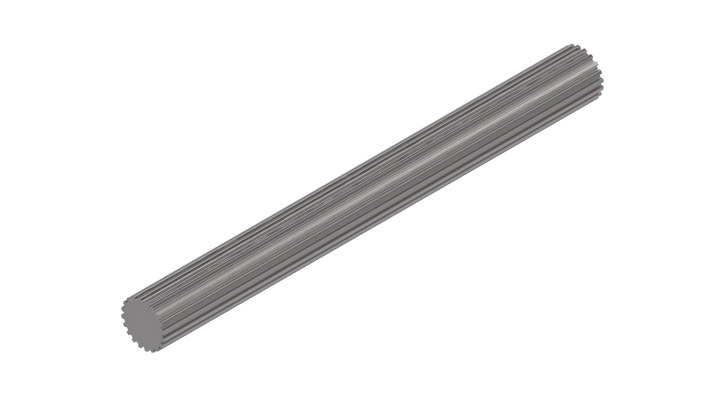
Can spline shafts be customized for specific machinery and equipment?
Yes, spline shafts can be customized to suit specific machinery and equipment requirements. Here’s a detailed explanation:
1. Size and Length:
Spline shafts can be customized in terms of size and length to fit the dimensions of the machinery or equipment. Manufacturers can design spline shafts with the appropriate diameter, overall length, and spline length to ensure a proper fit within the system.
2. Spline Profile:
The spline profile can be customized based on the specific application. Different spline profiles, such as involute, serrated, or helical, can be used to optimize torque transmission, load distribution, and engagement characteristics based on the requirements of the machinery or equipment.
3. Number of Splines:
The number of splines on the shaft can be customized to match the mating component. The number of splines determines the engagement area and affects the torque-carrying capacity of the spline shaft. By adjusting the number of splines, manufacturers can tailor the spline shaft to the specific torque and load requirements of the machinery or equipment.
4. Material Selection:
The choice of material for spline shafts can be customized based on the operating conditions and environmental factors of the machinery or equipment. Different materials, such as alloy steels or stainless steels, can be selected to provide the necessary strength, durability, corrosion resistance, or other specific properties required for the application.
5. Surface Treatment:
The surface of spline shafts can be customized with various treatments to enhance their performance. Surface treatments like heat treatment, coating, or plating can be applied to improve hardness, wear resistance, or corrosion resistance based on the specific requirements of the machinery or equipment.
6. Tolerances and Fit:
Tolerances and fit between the spline shaft and mating components can be customized to achieve the desired clearance or interference fit. This ensures proper engagement, smooth operation, and optimal performance of the machinery or equipment.
7. Special Features:
In certain cases, spline shafts can be customized with additional features to meet specific needs. This may include the incorporation of keyways, threads, or other specialized features required for the machinery or equipment.
Manufacturers and engineers work closely with the machinery or equipment designers to understand the specific requirements and tailor the spline shafts accordingly. By considering factors such as size, spline profile, number of splines, material selection, surface treatment, tolerances, fit, and any special features, customized spline shafts can be developed to ensure optimal performance and compatibility with the machinery or equipment.
It is important to consult with experienced spline shaft manufacturers or engineering professionals to determine the most suitable customization options for a particular machinery or equipment application.
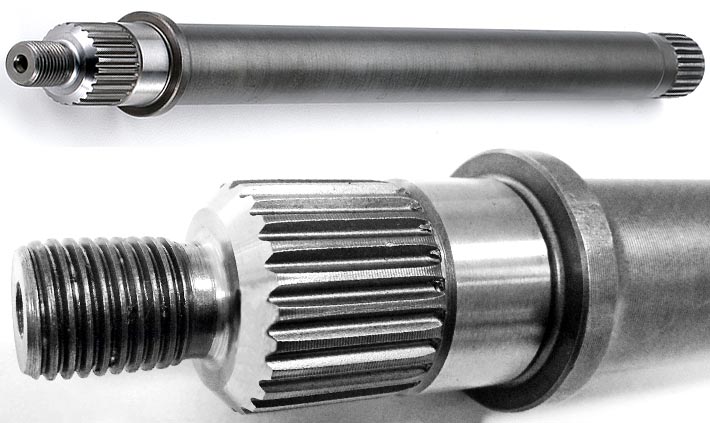
Can spline shafts be repaired or maintained when necessary?
Yes, spline shafts can be repaired and maintained when necessary to ensure their continued functionality and performance. Here are some ways spline shafts can be repaired and maintained:
1. Inspection and Assessment:
When an issue is suspected with a spline shaft, the first step is to conduct a thorough inspection. This involves examining the shaft for any signs of wear, damage, or misalignment. Special attention is given to the spline teeth, which may show signs of wear or deformation. Through inspection and assessment, the extent of the repair or maintenance required can be determined.
2. Spline Tooth Repair:
If the spline teeth are damaged or worn, they can be repaired or replaced. Repair methods may include re-machining the teeth to restore their original profile, filling and reshaping the worn areas using specialized welding techniques, or replacing the damaged section of the spline shaft. The specific repair method depends on the severity of the damage and the material of the spline shaft.
3. Lubrication and Cleaning:
Regular lubrication and cleaning are essential for maintaining spline shafts. Lubricants help reduce friction and wear between the mating surfaces, while cleaning removes contaminants that can affect the spline’s engagement. During maintenance, old lubricants are removed, and fresh lubricants are applied to ensure smooth operation and prevent premature failure.
4. Surface Treatment:
If the spline shaft undergoes wear or corrosion, surface treatment can be applied to restore its condition. This may involve applying coatings or treatments to enhance the hardness, wear resistance, or corrosion resistance of the spline shaft. Surface treatments can improve the longevity and performance of the spline shaft, reducing the need for frequent repairs.
5. Balancing and Alignment:
If a spline shaft is experiencing vibration or misalignment issues, it may require balancing or realignment. Balancing involves redistributing mass along the shaft to minimize vibrations, while alignment ensures proper mating and engagement with other components. Balancing and alignment procedures help optimize the performance and longevity of the spline shaft.
6. Replacement:
In cases where the spline shaft is severely damaged or worn beyond repair, replacement may be necessary. Replacement spline shafts can be sourced from manufacturers or specialized suppliers who can provide shafts that meet the required specifications and tolerances.
It’s important to note that the repair and maintenance of spline shafts should be carried out by qualified professionals with expertise in precision machining and mechanical systems. They have the knowledge and tools to properly assess, repair, or replace spline shafts, ensuring the integrity and functionality of the system in which they are used.
By implementing regular maintenance and timely repairs, spline shafts can be kept in optimal condition, extending their lifespan and maintaining their performance in various mechanical applications.
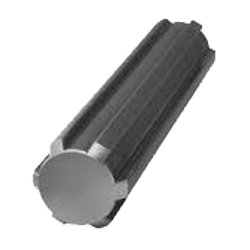
Apa saja komponen utama dan fitur desain dari poros spline?
Poros spline terdiri dari beberapa komponen utama dan menggabungkan fitur desain khusus untuk memastikan fungsionalitas dan kinerjanya. Berikut penjelasan detailnya:
1. Badan Poros:
Komponen utama poros spline adalah badan poros, yang memberikan integritas struktural dan berfungsi sebagai dasar untuk fitur spline. Badan poros biasanya berbentuk silinder dan terbuat dari bahan seperti baja, baja tahan karat, atau logam paduan lainnya. Pemilihan material bergantung pada faktor-faktor seperti persyaratan aplikasi, beban torsi, dan kondisi lingkungan.
2. Spline:
Spline merupakan fitur desain utama dari poros spline. Spline berupa tonjolan atau gigi yang diukir pada permukaan poros. Spline menciptakan mekanisme penguncian dengan komponen yang berpasangan, memungkinkan transmisi torsi dan pergerakan relatif. Jumlah, ukuran, dan bentuk spline dapat bervariasi tergantung pada persyaratan aplikasi dan spesifikasi desain.
3. Profil Spline:
Profil spline mengacu pada bentuk atau geometri spesifik dari spline. Jenis profil spline yang umum meliputi involute, sisi lurus, dan bergerigi. Profil spline dipilih berdasarkan faktor-faktor seperti persyaratan transmisi torsi, distribusi beban, dan karakteristik pengikatan yang diinginkan dengan komponen pasangannya. Profil spline memastikan kontak dan transfer torsi yang optimal antara poros spline dan komponen pasangannya.
4. Kecocokan Spline:
Kesesuaian spline mengacu pada hubungan dimensi antara poros spline dan komponen pasangannya. Ini menentukan jarak bebas atau interferensi antara spline, memastikan pengikatan dan transmisi torsi yang tepat. Kesesuaian spline dapat dikategorikan ke dalam berbagai kelas, seperti kesesuaian jarak bebas, kesesuaian transisi, atau kesesuaian interferensi, berdasarkan tingkat jarak bebas atau interferensi yang diinginkan.
5. Finishing Permukaan:
Kualitas permukaan poros spline sangat penting untuk performanya. Spline dan badan poros harus memiliki permukaan yang halus dan konsisten untuk meminimalkan gesekan, keausan, dan risiko konsentrasi tegangan. Kualitas permukaan dapat dicapai melalui pemesinan, penggerindaan, atau metode perawatan permukaan lainnya untuk memenuhi spesifikasi yang dibutuhkan.
6. Pelumasan:
Untuk memastikan pengoperasian yang lancar dan mengurangi keausan, pelumasan sering digunakan untuk poros spline. Pelumas dengan viskositas dan sifat pelumas yang sesuai diaplikasikan pada antarmuka spline untuk meminimalkan gesekan, menghilangkan panas, dan mencegah keausan dini atau kerusakan pada spline dan komponen yang berpasangan. Pelumasan juga membantu menjaga fungsionalitas dan memperpanjang masa pakai poros spline.
7. Toleransi Pemesinan:
Pemesinan presisi sangat penting untuk poros spline guna mencapai akurasi dimensi yang dibutuhkan dan memastikan keterkaitan yang tepat dengan komponen pasangannya. Toleransi pemesinan yang ketat dijaga selama proses manufaktur untuk memastikan profil spline, dimensi, dan penyelesaian permukaan memenuhi persyaratan desain yang ditentukan. Hal ini memastikan kemampuan saling tukar dan kompatibilitas poros spline dalam berbagai aplikasi.
Singkatnya, komponen utama dan fitur desain poros spline meliputi badan poros, spline, profil spline, kecocokan spline, penyelesaian permukaan, pelumasan, dan toleransi pemesinan. Elemen-elemen ini bekerja bersama untuk memungkinkan transmisi torsi, gerakan relatif, dan distribusi beban sekaligus memastikan fungsionalitas, daya tahan, dan kinerja poros spline.


editor by CX 2023-10-03
Ubah panduan ini menjadi Permintaan Penawaran (RFQ).
Kirim gambar terkontrol, antarmuka pemasangan, kondisi material, dan informasi tugas untuk tinjauan teknis.
Permintaan Penawaran