Trhání drážek: Příznaky, příčiny a konstrukční kontroly — K opotřebení dochází, když zatížené dosedací plochy vykazují velmi malý opakovaný relativní pohyb. Na drážkovaných bocích může docházet k tmavým nebo načervenalým nečistotám, leštění a lokálnímu poškození; kontrola by se měla zaměřit na uložení, kontaktní tlak, souosost, upínání a mazání, spíše než na pouhou výměnu opotřebovaného hřídele.
Pro drážkováníNejspolehlivější specifikace je ta, kterou si konstruktér, kupující, výrobce i inspektor mohou vyložit stejným způsobem. Níže uvedená diskuse se zaměřuje spíše na měřitelné vstupy pro výkresy, montážní podmínky a praktické kontroly než na univerzální tvrzení o krouticím momentu, uložení nebo životnosti, která nelze určit bez úplných údajů o geometrii a zatížení.
Prašné nečistoty a oxid
Prašné nečistoty a oxid by mělo být vyšetřeno jako příznak úplného spojení. Před čištěním nebo likvidací součástí zaznamenejte, kde k poškození došlo, zda je symetrické, stav protilehlého prvku, historii mazání a jakékoli problémy s uvolněním nebo vyrovnáním.
Nápravná opatření závisí na mechanismu. Tvrdší náhradní hřídel neopraví excentrický náboj, nedostatečné zapojení nebo kontaminované mazivo. Před změnou materiálu nebo tolerance porovnejte oba členy, zkontrolujte podpěrná ložiska a vztažné body a ověřte zamýšlené uložení. V tomto tématu propojte toto rozhodnutí s protilehlým prvkem a revizí výkresu použitou pro RFQ. Při kontrole drážkování se k tomuto bodu vraťte vždy, když se změní protilehlý prvek, stav materiálu nebo provozní režim.
Malý oscilační pohyb
Malý oscilační pohyb by měly být přezkoumány v kontextu drážkování. Identifikujte spojovací komponent, provozní funkci a prvek výkresu, které toto rozhodnutí řídí. Požadavek by měl být měřitelný a spojený s uložením, přenosem krouticího momentu, vyrovnáním, opotřebením nebo jiným definovaným potřebným sestavením.
Zvažte rozhodnutí společně s materiálovými podmínkami, výrobním postupem a přístupem pro kontrolu. Pokud se jedná o náhradní díl, porovnejte neopotřebovanou geometrii a spojovací prvek namísto kopírování poškození. U nových návrhů ponechte otevřené a flexibilní volby procesů, pokud návrh sám o sobě nevyžaduje specifický proces. V tomto přezkoumání je užitečným kritériem přijetí to, které lze vysledovat k funkční charakteristice výkresu. Při kontrole drážkování se k tomuto bodu vraťte vždy, když se změní spojovací prvek, materiálové podmínky nebo provozní režim.
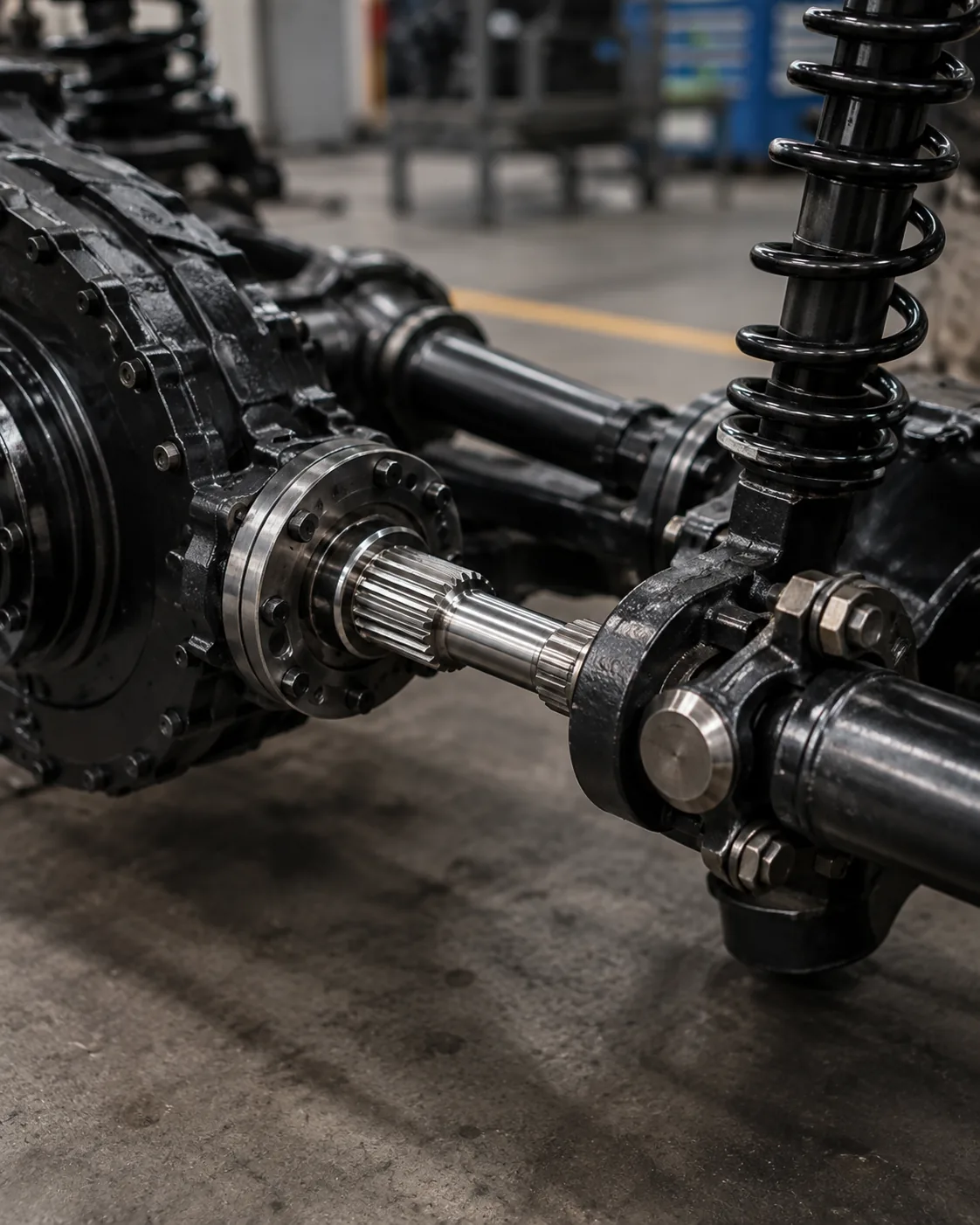
Kontaktní tlak
Kontaktní tlak by měly být přezkoumány v kontextu drážkování. Identifikujte spojovací komponent, provozní funkci a prvek výkresu, které toto rozhodnutí řídí. Požadavek by měl být měřitelný a spojený s uložením, přenosem krouticího momentu, vyrovnáním, opotřebením nebo jiným definovaným potřebným sestavením.
Zvažte rozhodnutí společně se stavem materiálu, výrobním postupem a přístupem pro kontrolu. Pokud se jedná o náhradní díl, porovnejte neopotřebovanou geometrii a spojovací prvek namísto kopírování poškození. U nových návrhů ponechte otevřené a flexibilní volby procesů, pokud návrh sám o sobě nevyžaduje specifický proces. Pro opakovanou práci zachovávejte stejný vztažný bod a základ měření, pokud se nezmění požadavky na montáž. V případě tření drážek: Příznaky, příčiny a kontroly návrhu použijte tuto kontrolu na konkrétní rozhraní tření drážek zobrazené na aktuálním výkresu.
Volnost střihu
Volnost střihu ovlivňuje kontaktní plochu, pocit při montáži a rozložení zatížení. Efektivní záběr je délka, po které mohou boky zubu skutečně nést zatížení; zkosení, podbroušení a neúplné části zubu by se neměly automaticky počítat jako pracovní délka.
Usazení musí být vyhodnoceno jako dvojice spojovacího prvku. Přispívají k tomu tloušťka zubu, šířka mezery, vůle průměru, vyrovnání a teplota. U výměn zkontrolujte oba díly, protože opotřebení náboje může způsobit, že se nový hřídel zdá být uvolněný, i když je nový vnější drážkovaný hřídel v rámci tolerance výkresu. Pokud se změní pracovní zatížení nebo spojovací prvek, vraťte se k tomuto bodu, místo abyste pokračovali v předchozím předpokladu. V případě otírání drážkováním: Příznaky, příčiny a konstrukční kontroly použijte tuto kontrolu na konkrétní rozhraní otírání drážkováním zobrazené na aktuálním výkresu.
Nesprávné zarovnání
Nesprávné zarovnání by mělo být vyšetřeno jako příznak úplného spojení. Před čištěním nebo likvidací součástí zaznamenejte, kde k poškození došlo, zda je symetrické, stav protilehlého prvku, historii mazání a jakékoli problémy s uvolněním nebo vyrovnáním.
Nápravná opatření závisí na mechanismu. Tvrdší náhradní hřídel neopraví excentrický náboj, nedostatečné zapojení nebo kontaminované mazivo. Před změnou materiálu nebo tolerance porovnejte oba členy, zkontrolujte podpěrná ložiska a vztažné body a ověřte zamýšlené uložení. V tomto tématu propojte toto rozhodnutí s protilehlým prvkem a revizí výkresu použitou pro RFQ. Při kontrole drážkování se k tomuto bodu vraťte vždy, když se změní protilehlý prvek, stav materiálu nebo provozní režim.
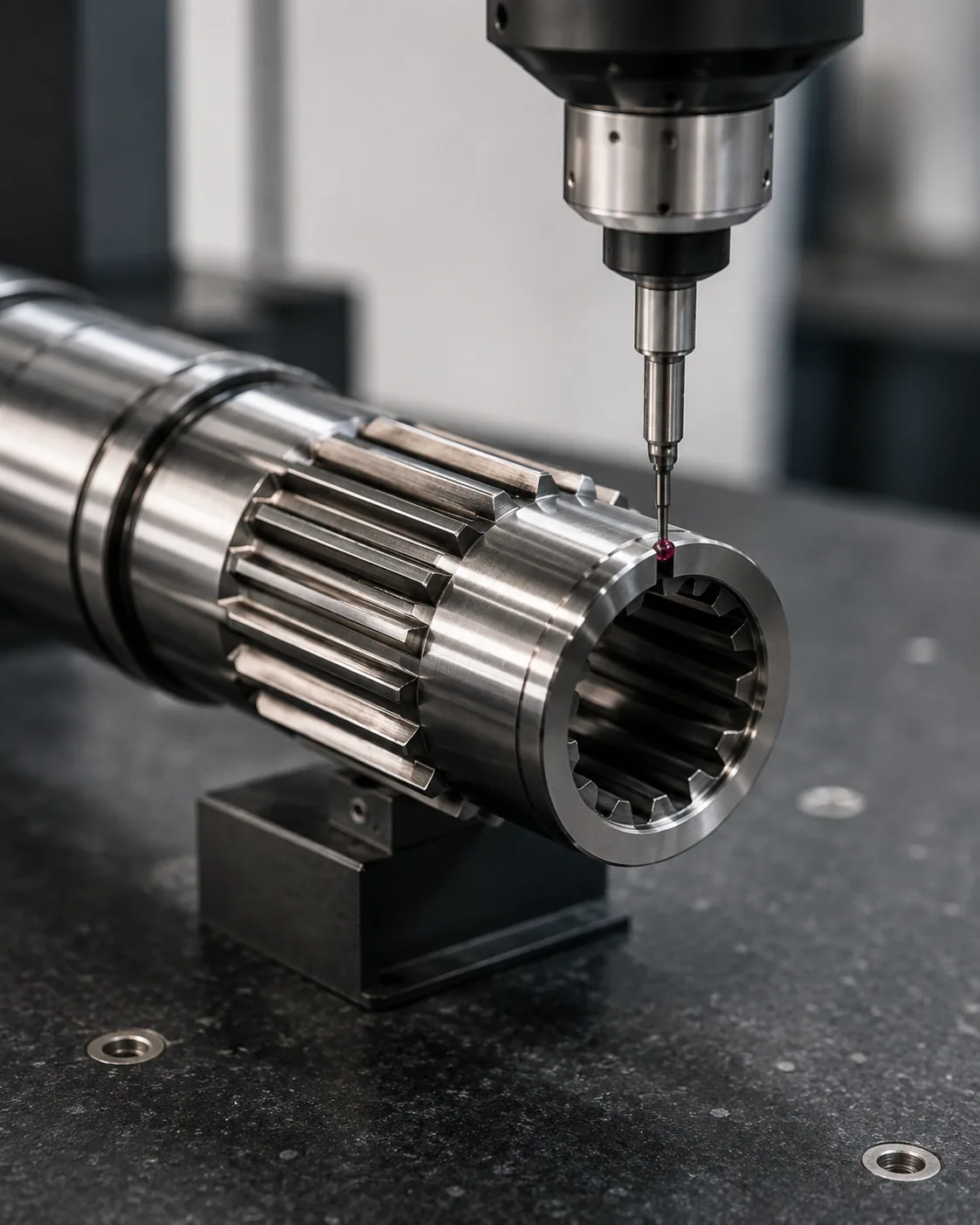
Omezení mazání
Omezení mazání by mělo být vyšetřeno jako příznak úplného spojení. Před čištěním nebo likvidací součástí zaznamenejte, kde k poškození došlo, zda je symetrické, stav protilehlého prvku, historii mazání a jakékoli problémy s uvolněním nebo vyrovnáním.
Nápravná opatření závisí na mechanismu. Tvrdší náhradní hřídel neopraví excentrický náboj, nedostatečné zapojení nebo kontaminované mazivo. Porovnejte oba členy, zkontrolujte podpěrná ložiska a vztažné body a před změnou materiálu nebo tolerance ověřte zamýšlené uložení. V této kontrole je užitečným kritériem přijetí to, které lze vysledovat k funkční charakteristice výkresu. V případě vadnutí drážek: Příznaky, příčiny a konstrukční kontroly použijte tuto kontrolu na specifické rozhraní vadnutí drážek zobrazené na aktuálním výkresu.
Praktická sekvence opakování
Praktická sekvence kontroly začíná u spojovacího prvku a dráhy krouticího momentu, poté se potvrdí ozubení, záběr a prvky hřídele, které lokalizují spojení. Dále se definuje materiál a tepelné zpracování, funkční úpravy a veškeré požadavky na házení nebo polohu. Pro opakovanou práci zachovávejte stejný vztažný bod a základ měření, pokud se nezmění požadavky na montáž. V RFQ pro drážkování drážkováním ponechte tento bod vázaný na spojovací prvek, schéma vztažných bodů a metodu přijetí hotového dílu.
Dokončete dohodou o metodě kontroly, množství a dokumentaci prvního artiklu. Tato objednávka zabraňuje přijímání procesních nebo tolerancních rozhodnutí před pochopením funkčního rozhraní a usnadňuje porovnávání nabídek, protože každému dodavateli jsou předkládány stejné konstrukční vstupy. Pokud se změní úkol nebo protilehlý člen, vraťte se k tomuto bodu, místo abyste pokračovali v předchozím předpokladu. V případě drážkování: Příznaky, příčiny a konstrukční kontroly použijte tuto kontrolu na konkrétní rozhraní drážkování zobrazené na aktuálním výkresu.
Stav povrchu
Stav povrchu by měly být přezkoumány v kontextu drážkování. Identifikujte spojovací komponent, provozní funkci a prvek výkresu, které toto rozhodnutí řídí. Požadavek by měl být měřitelný a spojený s uložením, přenosem krouticího momentu, vyrovnáním, opotřebením nebo jiným definovaným potřebným sestavením.
Zvažte rozhodnutí společně se stavem materiálu, výrobním postupem a přístupem pro kontrolu. Pokud se jedná o náhradní díl, porovnejte neopotřebovanou geometrii a spojovací prvek namísto kopírování poškození. U nových návrhů ponechte otevřené flexibilní volby procesů, pokud návrh sám o sobě nevyžaduje specifický proces. V tomto tématu propojte toto rozhodnutí s spojovacím prvkem a revizí výkresu použitou pro RFQ. V případě vláknitého opotřebení drážkováním: Příznaky, příčiny a kontroly návrhu použijte tuto kontrolu na konkrétní rozhraní vláknitého opotřebení drážkováním zobrazené na aktuálním výkresu.
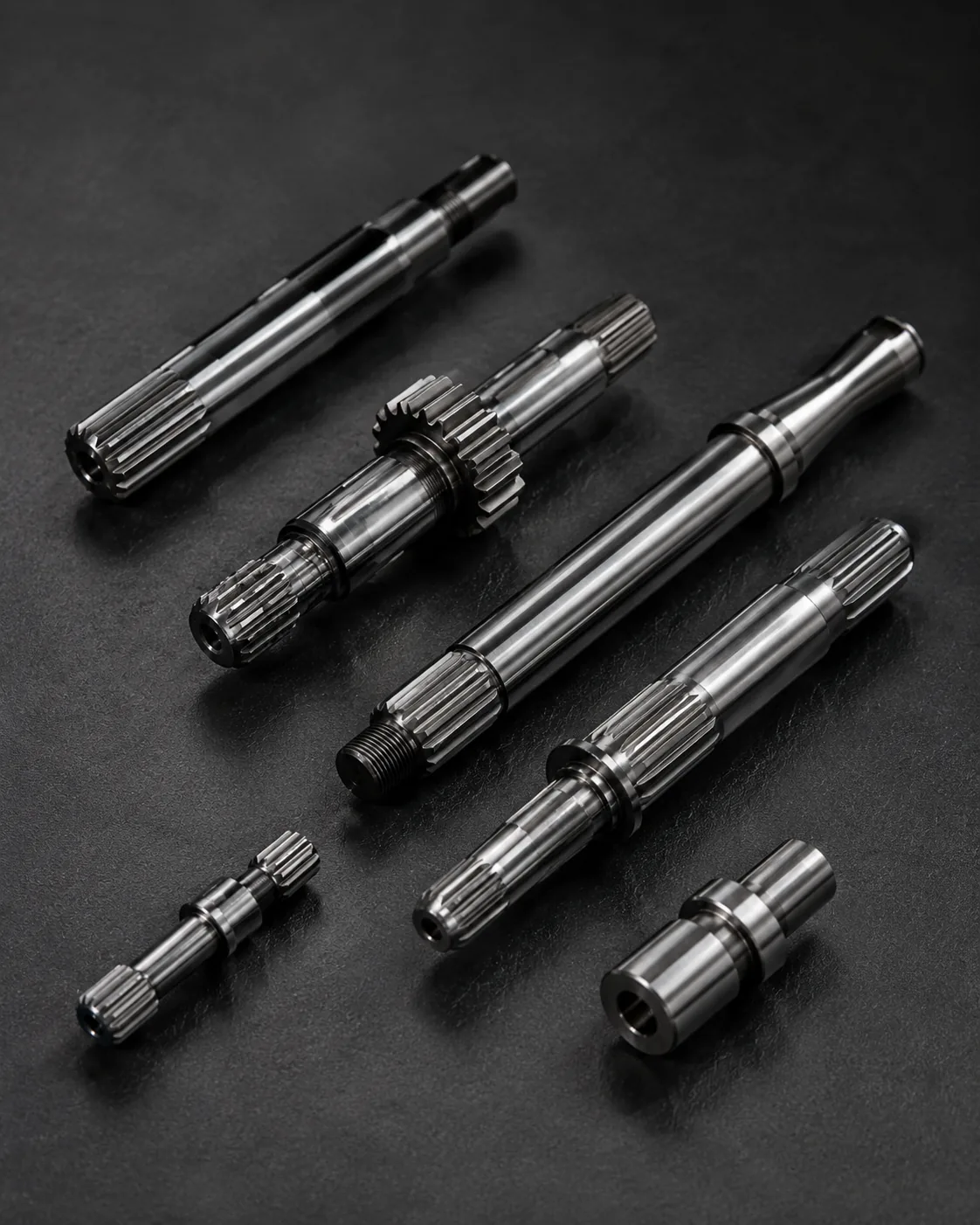
Kontroly návrhu a údržby
Kontroly návrhu a údržby by měly být přezkoumány v kontextu drážkování. Identifikujte spojovací komponent, provozní funkci a prvek výkresu, které toto rozhodnutí řídí. Požadavek by měl být měřitelný a spojený s uložením, přenosem krouticího momentu, vyrovnáním, opotřebením nebo jiným definovaným potřebným sestavením.
Zvažte rozhodnutí společně se stavem materiálu, výrobním postupem a přístupem pro kontrolu. Pokud se jedná o náhradní díl, porovnejte neopotřebovanou geometrii a spojovací prvek namísto kopírování poškození. U nových návrhů ponechte otevřené a flexibilní možnosti procesů, pokud návrh sám o sobě nevyžaduje specifický proces. V tomto přezkoumání je užitečným kritériem přijetí to, které lze vysledovat k funkční charakteristice výkresu. U dokumentu Drážkování: Příznaky, příčiny a kontroly návrhu zaznamenejte výsledný požadavek do výkresu nebo do specifikace nákupu, aby zůstal konzistentní i při opakovaných objednávkách.
Časté chyby, kterým se vyhnout
Běžné chyby při drážkování vznikají z toho, že se jedna nominální hodnota považuje za definující celé rozhraní. Chybějící úhel tlaku, nejasné vztažné body, zkopírované rozměry opotřebení, nespecifikované umístění tvrdosti a neshodné metody kontroly mohou vést k tomu, že díly vypadají na papíře správně, ale nesestavují se konzistentně.
Lepší kontrola začíná u páru prvků, identifikuje dráhu zatížení a lokalizační prvky a poté propojuje geometrii, stav materiálu a kontrolu s těmito funkcemi. Před výrobou uzavřete otevřené otázky k výkresu a pro opakované objednávky zachovejte dohodnutou interpretaci s revizí. U opakovaných prací zachovávejte stejný vztažný bod a základ měření, pokud se nezmění požadavky na montáž. U dokumentu Drážkování: Příznaky, příčiny a kontroly návrhu zaznamenejte výsledný požadavek do výkresu nebo specifikace nákupu, aby zůstal konzistentní i při opakovaných objednávkách.
Shrnutí rozhodnutí
| Oblast rozhodnutí | Co potvrdit | Proč na tom záleží |
|---|---|---|
| Páření geometrie | Ozubení, průměry, záběr a uložení | Kompatibilita ovládacích prvků a kontakt s bokem |
| Umístění | Vztažné body, čepy, ramena a házení | Řídí zarovnání v sestavě |
| Stav materiálu | Jakost, tepelné zpracování, tvrdost a povrchová úprava | Definuje konečný mechanický stav a stav opotřebení |
| Povinnost | Točivý moment, rychlost, rázy, pohyb a prostředí | Propojuje definici součásti s provozními podmínkami |
| Inspekce | Řízené charakteristiky a metoda měření | Udržuje konzistentní přijetí mezi dodavatelem a kupujícím |
Kontrolní seznam specifikací
- Párovací komponent a vnější/vnitřní orientace zubu
- Modulární nebo roztečný systém, počet zubů, úhel záběru a hlavní/vedlejší průměry
- Efektivní záběr, uložení nebo tolerance a axiální pohyb, pokud je to nutné
- Materiál, tepelné zpracování, umístění tvrdosti a funkční povrchové úpravy
- Požadavky na referenční body, průměry ložisek nebo pilotních otvorů, házení a axiální umístění
- Točivý moment, otáčky, rázové nebo reverzní zatížení, mazání a provozní prostředí
- Množství, požadavky na první kus a dohodnutá dokumentace kontroly
Použijte sortiment drážkovaných hřídelí porovnat dostupné konfigurace a Kontrolní seznam výkresů RFQ připravit kompletní dotaz. Pokud se změní smluvní nebo protilehlý člen, vraťte se k tomuto bodu, místo abyste pokračovali v předchozím předpokladu. V případě otírání drážek: Příznaky, příčiny a kontroly návrhu zaznamenejte výsledný požadavek do výkresu nebo do specifikace nákupu, aby zůstal konzistentní i při opakovaných objednávkách.
Technický pracovní list pro drážkování a frézování
Použijte tento pracovní list k otočení Trhání drážek: Příznaky, příčiny a konstrukční kontroly do rozhodnutí, která lze zobrazit na výkresu, zkontrolovat během cenové nabídky a ověřit u prvního výrobku. Začněte s Prašné nečistoty a oxid a Malý oscilační pohyb, protože tyto dvě položky obvykle definují buď geometrii slučování, nebo materiálové podmínky, které musí zbytek procesu podporovat. Poté zkontrolujte Kontaktní tlak, Volnost střihu a Nesprávné zarovnání oproti skutečné montáži, spíše než aby s nimi zacházeli jako s nezávislými katalogovými hodnotami.
Pro řešení problémů zdokumentujte stav před čištěním nebo likvidací součástí. Zaznamenejte místo opotřebení, nečistoty, leštění, důlky, změnu barvy, tření, kontakt zubů s hranami a jakékoli rozdíly po obvodu. Zkontrolujte spojovací díl, stav ložiska, mazací cestu a vyrovnání sestavy. Výměna založená pouze na poškozeném hřídeli může reprodukovat stejný problém, pokud je základní příčina jinde ve spojení. V případě kontroly tření drážek: Příznaky, příčiny a konstrukční kontroly použijte tuto kontrolu na konkrétní rozhraní tření drážek zobrazené na aktuálním výkresu.
K oddělení příčiny od příčiny použijte třecí úlomky a oxidy, kontaktní tlak a nesouosost. Porovnejte měření v neopotřebovaných oblastech, ověřte vztažné hodnoty a házení a hledejte známky nedostatečného záběru nebo nerovnoměrného kontaktu boků. Pokud se změnil provozní režim, přidejte do technické kontroly nový krouticí moment, otáčky, frekvenci zpětného chodu, teplotu nebo stav kontaminace před vydáním náhradního výkresu.
Sekvence kontroly výkresů
Před objednáním výroby si projděte výkres ve stejném pořadí, v jakém sestava funguje: systém spojovacího ozubení, efektivní záběr, polohovací vztažné body, sousední čepy nebo ramena, materiál a tepelné zpracování, funkční povrchové úpravy a metoda kontroly. drážkováníNa pořadí záleží, protože pozdější rozhodnutí, jako je výběr procesu nebo volba měřidla, by měla rozhraní podporovat, a ne ho předefinovat.
| Položka pracovního listu | Otázka k odpovědi | Výstup RFQ |
|---|---|---|
| Prašné nečistoty a oxid | Jakou funkci sestavy tato funkce řídí? | Rozměr, tolerance nebo referenční číslo pro spojení |
| Malý oscilační pohyb | Jakého konečného stavu musí být dosaženo? | Popis materiálu / tepelného zpracování / povrchové úpravy |
| Kontaktní tlak | Jak bude charakteristika ověřena? | Metoda kontroly nebo zpráva |
| Volnost střihu | Jak se zapojí opačný člen? | Informace o páření a zapojení |
| Nesprávné zarovnání | Který údaj určuje funkční umístění? | Vztah mezi referenčním bodem a házivostí |
Předání zakázky před prvním článkem
Užitečný nákupní balíček pro Trhání drážek: Příznaky, příčiny a konstrukční kontroly Obsahuje řízený výkres, množství, materiál a podmínky tepelného zpracování, informace o připojovacím rozhraní a charakteristiky přijetí, které vyžadují vykazování. Pokud je dodán 3D model, měl by 2D výkres stále obsahovat tolerance, vztažné body, poznámky k tepelnému zpracování a požadavky na kontrolu. V RFQ uveďte aktuální revizi, aby výroba a kontrola nefungovaly z různých verzí.
Pokud charakteristika ještě není určena, označte ji pro technické upřesnění, spíše než vkládejte vhodnou hodnotu. U drážkování drážkováním jsou běžnými otevřenými položkami záběr, uložení, umístění tvrdosti, házení k sousednímu čepu, přístup k vnitřním prvkům nebo stav opotřebovaného protilehlého komponentu. Vyřešení těchto bodů před prvním obrobkem snižuje nutnost nutnosti vyhnout se přepracování a usnadňuje kontrolu pozdějších opakovaných objednávek.
Kontrolní seznam před vydáním
- Ověřte přítomnost úlomků třecího materiálu a oxidu na skutečném protilehlém dílu.
- V hotovém stavu potvrďte malý oscilační pohyb.
- Definujte, jak bude kontrolován kontaktní tlak.
- Zkontrolujte vůli uložení za zamýšlených montážních podmínek.
- Vztahujte nesouosost ke strukturě funkčních údajů.
- Uveďte množství, úroveň revize a veškeré požadavky na dokumentaci k prvnímu článku.
- Zaznamenejte změny v provozu, mazání nebo připojovacím materiálu pro opakované objednávky.
Často kladené otázky
Co bych si měl ověřit ohledně úlomků a oxidů z drážkování?
Nejprve vztáhněte úlomky a oxidy z opotřebení k protilehlému dílu a funkci sestavy. Uveďte měřitelný požadavek na řízený výkres a uveďte protilehlý prvek, pokud kompatibilita závisí na obou částech. V případě publikace Opotřebení drážkováním: Příznaky, příčiny a kontroly návrhu to zabrání tomu, aby nominální popisek nahradil geometrii, která skutečně řídí uložení a přenos krouticího momentu.
Co bych si měl ověřit ohledně malého oscilačního pohybu při ovlivňování drážkováním?
Potvrďte malý oscilační pohyb v konečném stavu, včetně jakéhokoli materiálu, tepelného zpracování, povrchu nebo rozměrového stavu, který se může po zpracování změnit. Pokud požadavek závisí na umístění nebo vztažném bodě, ukažte to explicitně, aby výroba a kontrola používaly stejnou referenci.
Co bych měl/a ověřit ohledně kontaktního tlaku při drážkování?
Zvolte metodu kontroly, která měří charakteristiku uvedenou na výkresu. Funkční měření, analytické měření drážkování, kontroly souřadnicovým měřicím strojem (CMM), kontrola házivosti, měření drsnosti a zkoušení tvrdosti odpovídají na různé otázky. Uveďte, který výsledek je vyžadován pro přijetí, spíše než požadovat obecnou zprávu o kontrole. V RFQ na drážkování s otěrováním udržujte tento bod vázaný na spojovací prvek, schéma vztažných bodů a metodu přijetí hotového dílu.
Co bych si měl ověřit ohledně vůle uložení při drážkování?
Zkontrolujte vůli v uložení se skutečným spojovaným dílem a zamýšleným stavem montáže. Účinné uchycení, vůle, axiální pohyb, teplota a opotřebení v náhradním náboji mohou ovlivnit chování spojení. Nový hřídel by neměl být přijat ani odmítnut pouze na základě pocitu, pokud je k dispozici měřitelný požadavek na uložení.
Co bych měl/a ověřit ohledně nesouososti v případě drážkování?
Propojte nesouosost s prvky, které určují rotaci v sestavě. Výkres by měl jasně ukazovat referenční bod a jakýkoli vztah k házení nebo poloze. Pokud tepelné zpracování nebo dokončovací obrábění může prvek posunout, zkontrolujte vztah ve fázi, která představuje hotový díl.
Od inženýrského rozhodování k řízení výroby
Jakmile je rozhraní dohodnuto, převeďte každé funkční rozhodnutí do výkresové charakteristiky, kterou lze vyrobit a zkontrolovat. Vyhněte se uvádění klíčových vztahů pouze v e-mailových poznámkách. Rozměry, vztažné body, podmínky tepelného zpracování a požadavky na přijetí by měly být kontrolovány z hlediska revizí, aby výrobní a inspekční tým pracovaly se stejnou definicí. Pro opakované práce zachovávejte stejné vztažné body a základ měření, pokud se nezmění požadavky na montáž. V RFQ pro drážkování drážkováním ponechte tento bod vázaný na spojovací prvek, schéma vztažných bodů a metodu přijetí hotového dílu.
U prvních článků upřednostněte charakteristiky, které prokazují kompatibilitu sestavy: geometrie zubu, lícování, vztah k upevňovacím čepům nebo ramenům, stav tepelného zpracování a jakékoli kritické házení. Zaznamenejte metodu měření spolu s výsledkem. U opakovaných objednávek usnadňuje použití stejného nastavení vztažných bodů a přístupu k měření rozpoznání změn trendů a snižuje spory způsobené různými interpretacemi inspekce. Pokud se změní spotřeba nebo lícovaný člen, vraťte se k tomuto bodu namísto přenášení předchozího předpokladu. U dokumentu Drážkování: Příznaky, příčiny a kontroly návrhu zaznamenejte výsledný požadavek do výkresu nebo specifikace nákupu, aby zůstal konzistentní i u opakovaných objednávek.
Pokud se změní provozní zatížení, znovu otevřete technickou kontrolu namísto předpokladu, že stará specifikace zůstává vhodná. Vyšší točivý moment, zvýšené rázy, častější reverzace, jiné mazání nebo nová spojovací součástka mohou změnit kontakt a opotřebení, i když jmenovitá velikost drážkování zůstane stejná. Výkres by se měl vyvíjet podle skutečných požadavků na montáž. V tomto tématu propojte toto rozhodnutí se spojovací součástí a revizí výkresu použitou pro RFQ. Při kontrole drážkování se k tomuto bodu vraťte vždy, když se změní spojovací součástka, materiálové podmínky nebo provozní zatížení.
Připravte si RFQ (výzvu k nabídce)
- Aktuální 2D výkres a revize
- Definice spojovací komponenty a spline
- Materiál, tepelné zpracování a funkční úpravy
- Točivý moment, otáčky, provozní režim a prostředí
- Množství a požadovaná dokumentace kontroly
Kompletní poptávka kombinuje výkres, spojovací rozhraní, stav materiálu, namáhání, množství a očekávání kontroly. Pokud jsou tyto vstupy definovány včas, mohou dodavatelé plánovat nástroje, tepelné zpracování, konečnou úpravu a měření podle stejných funkčních požadavků, čímž se zkrátí cykly vyjasňování před prvním výrobkem. V této kontrole je užitečným kritériem přijetí to, které lze vysledovat k funkční charakteristice výkresu. V RFQ pro drážkování drážkováním udržujte tento bod vázaný na spojovací prvek, schéma vztažných bodů a metodu přijetí hotového dílu.
Proměňte průvodce v RFQ (výzvu k nabídce)
Zašlete řízený výkres, spojovací rozhraní, informace o stavu materiálu a pracovním postupu k technické kontrole.
Žádost o cenovou nabídku