Popis produktu
| Steel Grade | 4140,4130,A1050,F11,5140,304L,316L,321,P11,F22,4340 |
| 1.2344, 17CrNiMo6, 20MnMo, S355NL | |
| 18CrNiMo7-6 | |
| 42CrMo, 40CrNiMo |
| Objekt spracovania: | Kov |
|---|---|
| Štýl tvarovania: | Kovanie |
| Technika formovania: | Gravity Casting |
| Aplikácia: | Agricultural Machinery Parts |
| Materiál: | Oceľ |
| Tepelné spracovanie: | Tempering |
| Vzorky: |
US$ 1000/Piece
1 kus (minimálna objednávka) | |
|---|
| Prispôsobenie: |
K dispozícii
| Prispôsobená požiadavka |
|---|
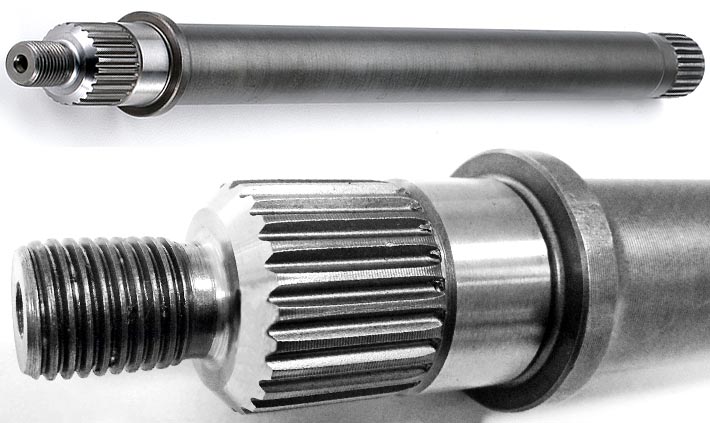
How do spline shafts handle variations in torque and rotational force?
Spline shafts are designed to handle variations in torque and rotational force in mechanical systems. Here’s a detailed explanation:
1. Interlocking Splines:
Spline shafts have a series of interlocking splines along their length. These splines engage with corresponding splines on the mating component, such as gears or couplings. The interlocking design ensures a secure and robust connection, capable of transmitting torque and rotational force.
2. Rozloženie zaťaženia:
When torque is applied to a spline shaft, the load is distributed across the entire engagement surface of the splines. This helps to minimize stress concentrations and prevents localized wear or failure. The load distribution capability of spline shafts allows them to handle variations in torque and rotational force effectively.
3. Material Selection:
Spline shafts are typically made from materials with high strength and durability, such as alloy steels. The material selection is crucial in handling variations in torque and rotational force. It ensures that the spline shaft can withstand the applied loads without deformation or failure.
4. Spline Profile:
The design of the spline profile also contributes to the handling of torque variations. The spline profile determines the contact area and the distribution of forces along the splines. By optimizing the spline profile, manufacturers can enhance the load-carrying capacity and improve the ability of the spline shaft to handle variations in torque.
5. Surface Finish and Lubrication:
Proper surface finish and lubrication play a crucial role in the performance of spline shafts. A smooth surface finish reduces friction and wear, while suitable lubrication minimizes heat generation and ensures smooth operation. These factors help in handling variations in torque and rotational force by reducing the impact of friction and wear on the spline engagement.
6. Úvahy o dizajne:
Engineers take several design considerations into account to ensure spline shafts can handle variations in torque and rotational force. These considerations include appropriate spline dimensions, tooth profile geometry, spline fit tolerance, and the selection of mating components. By carefully designing the spline shaft and its mating components, engineers can optimize the system’s performance and reliability.
7. Overload Protection:
In some applications, spline shafts may be equipped with overload protection mechanisms. These mechanisms, such as shear pins or torque limiters, are designed to disconnect the drive temporarily or slip when the torque exceeds a certain threshold. This protects the spline shaft and other components from damage due to excessive torque.
Overall, spline shafts handle variations in torque and rotational force through their interlocking splines, load distribution capability, appropriate material selection, optimized spline profiles, surface finish, lubrication, design considerations, and, in some cases, overload protection mechanisms. These features ensure efficient torque transmission and enable spline shafts to withstand the demands of various mechanical systems.
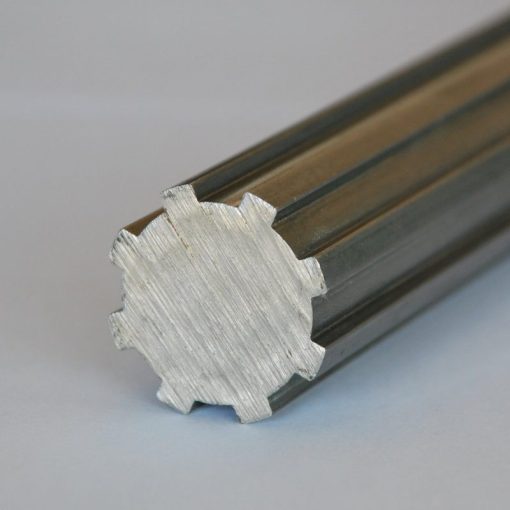
How do spline shafts handle variations in environmental conditions?
Spline shafts are designed to handle variations in environmental conditions and maintain their performance and reliability. Here’s a detailed explanation:
1. Temperature Variations:
Spline shafts are engineered to withstand a wide range of temperature variations. They are constructed from materials that exhibit good thermal stability, such as high-grade steels or alloys. These materials have low coefficients of thermal expansion, minimizing the effects of temperature changes on the shaft’s dimensional stability. Additionally, proper lubrication with temperature-resistant lubricants helps reduce friction and wear in the spline engagement, even under extreme temperature conditions.
2. Moisture and Corrosion Resistance:
Spline shafts can be designed to resist moisture and corrosion, ensuring their performance in humid or corrosive environments. Protective coatings, such as platings or surface treatments, can be applied to the shaft’s surfaces to enhance their resistance to moisture, oxidation, and corrosion. Additionally, selecting materials with inherent corrosion resistance, such as stainless steel or specialized alloys, can further enhance the spline shaft’s ability to handle environmental conditions.
3. Dust and Contaminant Protection:
Spline shafts used in environments with high levels of dust, dirt, or contaminants can be equipped with protective measures. Seals, gaskets, or covers can be employed to prevent the ingress of particles into the spline engagement. These protective measures help maintain the integrity of the spline profile, minimize wear, and ensure smooth operation even in dirty or dusty conditions.
4. Lubrication and Maintenance:
Proper lubrication is essential for the reliable operation of spline shafts, especially in challenging environmental conditions. Lubricants with appropriate viscosity and additives can be selected to provide effective lubrication and protection against wear, friction, and corrosion. Regular maintenance and lubrication intervals should be followed to ensure optimal performance and longevity of the spline shaft.
5. Shock and Vibration Resistance:
Spline shafts are designed to withstand shock and vibration encountered in various applications. The spline engagement and shaft design can incorporate features such as tighter tolerances, increased contact area, or damping elements to minimize the effects of shock and vibration. Additionally, proper fastening and mounting techniques help secure the shaft and reduce the risk of loosening or failure due to dynamic loads.
6. Environmental Sealing:
In certain applications where spline shafts are exposed to harsh environmental conditions, such as underwater or in chemical environments, environmental sealing can be employed. Sealing methods such as O-rings, gaskets, or specialized seals provide an additional barrier against external elements, ensuring the integrity and performance of the spline shaft.
7. Compliance with Standards:
Spline shafts used in specific industries or applications may need to comply with industry standards or regulations regarding environmental conditions. Manufacturers can design and test their spline shafts to meet these requirements, ensuring that the shafts can handle the specified environmental conditions and perform reliably.
By incorporating design considerations, appropriate materials, protective coatings, lubrication, and maintenance practices, spline shafts can effectively handle variations in environmental conditions. This enables them to maintain their functionality, performance, and longevity even in challenging operating environments.
Čo je to drážkovaný hriadeľ a aká je jeho hlavná funkcia?
Drážkovaný hriadeľ je mechanická súčiastka, ktorá pozostáva zo série hrebeňov alebo zubov (nazývaných drážky), ktoré sú opracované na povrchu hriadeľa. Jeho primárnou funkciou je prenášať krútiaci moment a zároveň umožňovať relatívny pohyb alebo posúvanie spájajúcich sa komponentov. Tu je podrobné vysvetlenie:
1. Štruktúra a dizajn:
Drážkovaný hriadeľ má zvyčajne valcový tvar s vonkajšími alebo vnútornými drážkami. Vonkajší drážkovaný hriadeľ má drážky na vonkajšom povrchu, zatiaľ čo vnútorný drážkovaný hriadeľ má drážky na vnútornom otvore. Počet, veľkosť a tvar drážok sa môžu líšiť v závislosti od konkrétnej aplikácie a konštrukčných požiadaviek.
2. Prenos krútiaceho momentu:
Hlavnou funkciou drážkového hriadeľa je prenos krútiaceho momentu medzi dvoma spriahnutými komponentmi, ako sú ozubené kolesá, spojky alebo iné rotačné prvky. Drážky na hriadeli zaberajú do zodpovedajúcich drážok na spriahnutom komponente a vytvárajú mechanické prepojenie. Keď sa na drážkový hriadeľ aplikuje krútiaci moment, záber medzi drážkami zabezpečí, že rotačná sila sa prenesie z hriadeľa na spriahnutý komponent, čo umožňuje systému prenášať výkon.
3. Relatívny pohyb:
Na rozdiel od iných typov hriadeľov umožňuje drážkovaný hriadeľ relatívny pohyb alebo kĺzanie medzi hriadeľom a protiľahlým komponentom. Tento kĺzavý pohyb môže byť axiálny (pozdĺž osi hriadeľa) alebo radiálny (kolmo na os hriadeľa). Drážky poskytujú presné a kontrolované rozhranie, ktoré umožňuje tento pohyb a zároveň zachováva prenos krútiaceho momentu. Táto funkcia je obzvlášť užitočná v aplikáciách, kde je potrebné vyrovnať axiálne alebo radiálne posunutie alebo nesúososť.
4. Rozloženie zaťaženia:
Ďalšou dôležitou funkciou drážkovaného hriadeľa je rovnomerné rozloženie pôsobiaceho zaťaženia pozdĺž jeho dĺžky. Drážky vytvárajú viacero kontaktných bodov medzi hriadeľom a spájaným komponentom, čo pomáha rozložiť krútiaci moment a axiálne alebo radiálne sily na väčšiu plochu. Toto rozloženie zaťaženia minimalizuje koncentráciu napätia a znižuje riziko predčasného opotrebenia alebo poruchy.
5. Všestrannosť a aplikácie:
Drážkované hriadele nachádzajú uplatnenie v rôznych odvetviach a systémoch vrátane automobilového, leteckého, strojárskeho a prenosového priemyslu. Bežne sa používajú v prevodovkách, pohonných systémoch, jednotkách vývodových hriadeľov, systémoch riadenia a mnohých ďalších rotačných mechanizmoch, kde je nevyhnutný prenos krútiaceho momentu, relatívny pohyb a rozloženie zaťaženia.
6. Úvahy o dizajne:
Pri navrhovaní drážkovaného hriadeľa je potrebné zvážiť faktory, ako sú požiadavky na krútiaci moment, rýchlosť, aplikované zaťaženie a podmienky prostredia. Geometria drážky, výber materiálu a povrchová úprava sú rozhodujúce pre zabezpečenie správneho záberu, únosnosti a trvanlivosti drážkovaného hriadeľa.
Stručne povedané, drážkovaný hriadeľ je mechanická súčiastka s drážkami, ktorá umožňuje prenos krútiaceho momentu a zároveň umožňuje relatívny pohyb alebo kĺzanie medzi spájanými komponentmi. Jeho primárnou funkciou je prenášať rotačnú silu, rozkladať zaťaženie a umožňovať axiálny alebo radiálny posun v rôznych aplikáciách vyžadujúcich presný prenos krútiaceho momentu a flexibilitu.


editor by CX 2023-10-04
Premeňte sprievodcu na výzvu na cenovú ponuku (RFQ)
Pošlite kontrolovaný výkres, párovacie rozhranie, stav materiálu a informácie o prevádzke na technické posúdenie.
Vyžiadať cenovú ponuku