Deskripsyon sa Produkto
-
Ngalan sa Butang Customized precision machining part Materyal Aluminum, brass, stainless steel, steel alloy and etc. Kagamitan sa Pagmakina Makina sa DMG Composite CNC /
Sentro sa Paggama sa Commen /
Mga CNC Lathe / Mga Makinang Panggaling /
Mga Makina sa Paggaling / Mga Lathe / Mga Pagputol sa Kawad /
Laser Cuts / CNC Shearing Machines /
Mga Makina sa Pagliko sa CNC / Composite nga Numerikal
kontrol nga lathe ug uban pa.Pagtambal sa Ibabaw Pag-itom, pagpasinaw, pag-anodize, pag-plate sa chrome, pag-plate sa zinc, pag-plate sa nickel, pag-tint ug uban pa Taas nga Katukma 0.001mm Mga Himan sa Inspeksyon Mitutoyo tulo ka koordinado
makinang pangsukod /
Mitutoyo tool microscope/
digimatic micrometer/inside micrometer/
go-no go gauge/dialgage/
elektronik nga digital display caliper/
awtomatik nga sukdanan sa gitas-on/
detektor sa lebel sa katukma 2/
precision block gauge/00 nga lebel sa marmol
plataporma/sukid sa singsing - Unit weight: 0.01-2000 kg matag piraso
- Duration of pattern-making and sample-making: Within 30 days (Vary subject to the complexity of products)
- Minimum order: No limit
- Paghatud: Within 25 days after signing of contract and confirmation of samples by client
- Required documents for offer to be provided by customer:
Drawings with formats of IGS (3D), DWG or DXF (Auto CAD 2D), PDF, JPG
Standard of material (Preferable to provide Element Percentage of C, Si, Mn, P, S, etc and Physical/Machanical Properties of the material)
Technical requirements
Unit Weight of Rough
- Workshop:
- Mga kagamitan sa pagsulay:
- Mga Padala:
- Company information:
- Mga Sertipikasyon:
| Kondisyon: | Bag-o |
|---|---|
| Sertipikasyon: | CE, RoHS, ISO9001 |
| Sumbanan: | DIN, ASTM, GB, JIS |
| Gipahaom: | Gi-customize |
| Materyal: | Steel, Aluminum, Copper and etc. |
| Aplikasyon: | Gi-customize |
| Mga Sample: |
US$ 0/Piraso
1 ka Piraso (Minimum nga Order) | |
|---|
| Pag-customize: |
Anaa
| Gipahiangay nga Hangyo |
|---|
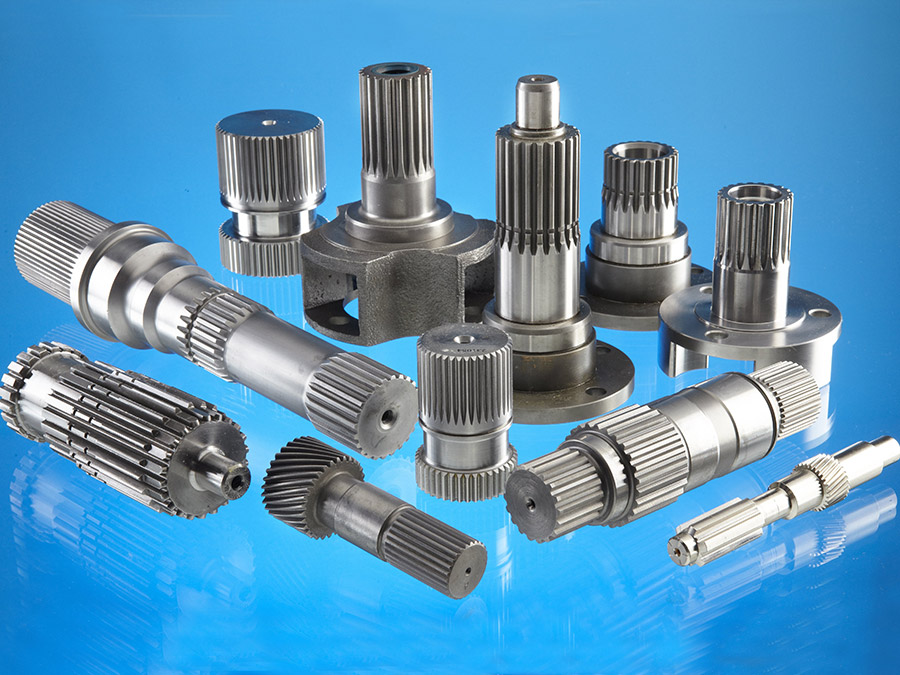
Can spline shafts be used in both mobile and stationary machinery?
Yes, spline shafts can be used in both mobile and stationary machinery. Here’s a detailed explanation:
1. Mobile Machinery:
Spline shafts find extensive use in various types of mobile machinery. For example:
- In Automotive Applications: Spline shafts are commonly used in automotive drivetrains, where they transmit torque from the engine to the wheels. They are found in components such as the transmission, differential, and axle shafts.
- In Construction and Earthmoving Equipment: Spline shafts are utilized in construction machinery, such as excavators, loaders, and bulldozers. They are employed in the powertrain systems to transfer torque and drive the hydraulic pumps or propel the machine.
- In Agricultural Equipment: Spline shafts are used in agricultural machinery like tractors, combines, and harvesters. They help transfer power from the engine to various driven components, such as the wheels, PTO (power take-off), or hydraulic systems.
- In Off-Road Vehicles: Spline shafts are present in off-road vehicles, including ATVs (all-terrain vehicles) and military vehicles. They enable power transmission to the wheels or drivetrain components, ensuring mobility and performance in challenging terrains.
2. Stationary Machinery:
Spline shafts are also widely employed in stationary machinery across various industries. Some examples include:
- In Machine Tools: Spline shafts are used in machine tools, such as lathes, milling machines, and grinding machines. They provide torque transmission in the spindle or lead screw mechanisms, enabling precision motion control and material removal operations.
- In Industrial Gearboxes: Spline shafts play a crucial role in industrial gearboxes used in manufacturing and processing plants. They transmit torque between input and output shafts, enabling speed reduction or increase as required by the application.
- In Power Generation: Spline shafts are utilized in power generation equipment, including turbines and generators. They help transmit torque between the rotating rotor and the stationary components, facilitating energy conversion.
- In Pump and Compressor Systems: Spline shafts are present in pumps and compressors used in various industries. They transmit torque from the motor or prime mover to the impeller or compressor elements, enabling fluid or gas transfer.
The versatility of spline shafts makes them suitable for a wide range of applications, both mobile and stationary. Their ability to efficiently transmit torque, accommodate misalignment, distribute loads, and provide reliable connections makes them a preferred choice in diverse machinery across industries.
How do spline shafts handle variations in load capacity and weight?
Spline shafts are designed to handle variations in load capacity and weight in mechanical systems. Here’s how they accomplish this:
1. Material Selection:
Spline shafts are typically made from high-strength materials such as steel or alloy, chosen for their ability to withstand heavy loads and provide durability. The selection of materials takes into account factors such as tensile strength, yield strength, and fatigue resistance to ensure the shaft can handle variations in load capacity and weight.
2. Engineering Design:
Spline shafts are designed with consideration for the anticipated loads and weights they will encounter. The dimensions, profile, and number of splines are determined based on the expected torque requirements and the magnitude of the applied loads. By carefully engineering the design, spline shafts can handle variations in load capacity and weight while maintaining structural integrity and reliable performance.
3. Pag-apod-apod sa Karga:
The interlocking engagement of spline shafts allows for effective load distribution along the length of the shaft. This helps distribute the applied loads evenly, preventing localized stress concentrations and minimizing the risk of deformation or failure. By distributing the load, spline shafts can handle variations in load capacity and weight without compromising their performance.
4. Structural Reinforcement:
In applications with higher load capacities or heavier weights, spline shafts may incorporate additional structural features to enhance their strength. This can include thicker spline teeth, larger spline diameters, or reinforced sections along the shaft. By reinforcing critical areas, spline shafts can handle increased loads and weights while maintaining their integrity.
5. Lubrication and Surface Treatment:
Proper lubrication is essential for spline shafts to handle variations in load capacity and weight. Lubricants reduce friction between the mating surfaces, minimizing wear and preventing premature failure. Additionally, surface treatments such as coatings or heat treatments can enhance the hardness and wear resistance of the spline shaft, improving its ability to handle varying loads and weights.
6. Testing and Validation:
Spline shafts undergo rigorous testing and validation to ensure they meet the specified load capacity and weight requirements. This may involve laboratory testing, simulation analysis, or field testing under real-world conditions. By subjecting spline shafts to thorough testing, manufacturers can verify their performance and ensure they can handle variations in load capacity and weight.
Overall, spline shafts are designed and engineered to handle variations in load capacity and weight by utilizing appropriate materials, optimizing the design, distributing loads effectively, incorporating structural reinforcement when necessary, implementing proper lubrication and surface treatments, and conducting thorough testing and validation. These measures enable spline shafts to reliably transmit torque and handle varying loads in diverse mechanical applications.
Unsa ang mga bentaha sa paggamit sa spline shafts sa mga mekanikal nga sistema?
Ang paggamit sa spline shafts sa mga mekanikal nga sistema nagtanyag og daghang mga bentaha. Ania ang detalyado nga pagpasabut:
1. Pagpadala gamit ang Torque:
Ang mga spline shaft naghatag og episyente nga torque transmission tali sa driving ug driven components. Ang interlocking splines nagsiguro sa luwas ug kasaligan nga pagbalhin sa rotational force, nga makapahimo sa transmission sa power ug motion sa mechanical systems.
2. Relatibong Akomodasyon sa Paglihok:
Ang mga spline shaft maka-accommodate sa relatibong paglihok tali sa mga driving ug driven component. Gitugotan niini ang axial, radial, ug angular displacements, nga mo-compensate sa mga misalignment, thermal expansion, ug vibrations. Kini nga pagka-flexible makatabang sa pagmintinar sa hustong engagement ug pagminus sa stress concentrations.
3. Pag-apod-apod sa Karga:
Ang mga spline sa shaft nag-apod-apod sa gipadala nga karga sa tibuok nga engagement surface. Makatabang kini sa pagpakunhod sa localized stresses ug pagpugong sa sayo nga pagkaguba o pagkapakyas sa mga components. Ang kapasidad sa pag-apod-apod sa karga sa mga spline shaft nakatampo sa kinatibuk-ang kalig-on ug taas nga kinabuhi sa mekanikal nga sistema.
4. Tukma nga Posisyon ug Kontrol:
Ang mga spline shaft nagtugot sa tukmang pagposisyon ug pagkontrol sa mga mekanikal nga sangkap. Ang mga spline naghatag ug tukmang rotational alignment, nga nagtugot sa tukmang angular positioning ug indexing. Kini importante sa mga aplikasyon diin gikinahanglan ang tukmang pagkontrol ug pag-synchronize sa mga lihok.
5. Pagkabaylo ug Estandardisasyon:
Ang mga spline shaft anaa sa estandardisadong mga disenyo ug dimensyon. Kini makapahimo sa pag-ilis-ilis tali sa mga sangkap ug makapasayon sa pagmentinar ug pag-ilis. Ang estandardisasyon makapasayon usab sa mga proseso sa disenyo ug paggama, nga makapakunhod sa mga gasto ug oras sa pag-andam.
6. Taas nga Kapasidad sa Pagpadala sa Gahom:
Ang mga spline shaft gidisenyo aron makasugakod sa taas nga torque loads. Ang interlocking splines naghatag og dakong contact area, nga nag-apod-apod sa transmitted torque sa daghang ngipon. Kini nagtugot sa mga spline shaft nga makasagubang sa mas taas nga power transmission requirements, nga naghimo niini nga angay alang sa mga heavy-duty nga aplikasyon.
7. Kaarang sa paggamit:
Ang mga spline shaft mahimong idisenyo ug himoon aron mohaom sa lain-laing mga kinahanglanon sa aplikasyon. Mahimo kining ipasibo sa gidak-on, porma, gidaghanon sa mga spline, ug spline profile aron mohaom sa piho nga mga panginahanglan sa usa ka mekanikal nga sistema. Kini nga pagka-flexible naghimo sa mga spline shaft nga dali ma-adjust sa lain-laing mga industriya ug aplikasyon.
8. Nakunhoran ang Pag-slip ug Backlash:
Kon husto ang pagkadisenyo ug pagkagama, ang mga spline shaft gamay ra ang slippage ug backlash. Ang hugot nga pagkahaom tali sa mga spline makapugong sa dakong axial o radial nga paglihok atol sa torque transmission, nga moresulta sa mas maayong efficiency ug precision sa mga mechanical system.
Sa laktod nga pagkasulti, ang mga bentaha sa paggamit sa spline shafts sa mga mekanikal nga sistema naglakip sa episyente nga torque transmission, pag-akomodasyon sa relatibong paglihok, pag-apod-apod sa karga, tukma nga pagposisyon ug pagkontrol, pagkabaylo, taas nga kapasidad sa transmission sa kuryente, pagka-flexible, ug pagkunhod sa slippage ug backlash. Kini nga mga bentaha naghimo sa spline shafts nga kasaligan ug epektibo nga kapilian sa lainlaing mga aplikasyon diin ang pagbalhin sa kuryente, pagka-flexible, ug tukma nga pagkontrol sa paglihok hinungdanon.


editor by CX 2023-10-08
Himoa nga RFQ ang giya
Ipadala ang kontroladong drowing, mating interface, kondisyon sa materyal ug impormasyon sa katungdanan alang sa teknikal nga pagrepaso.
Paghangyo og Kwotasyon