وصف المنتج
وصف المنتج
معايير المنتج
| غرض | عمود محور التروس المسننة |
| مادة | 4140، 4340، 40Cr، 42Crmo، 42Crmo4، 20Cr، 20CrMnti، 20Crmo، 35Crmo |
| رقم المصنّع الأصلي | تخصيص |
| شهادة | ISO/TS16949 |
| متطلبات الاختبار | اختبار المسحوق المغناطيسي، اختبار الصلابة، اختبار الأبعاد |
| لون | طلاء، تشطيب طبيعي، تشغيل آلي شامل |
| مادة | الألومنيوم: سلسلة 5000 (5052…) / سلسلة 6000 (6061…) / سلسلة 7000 (7075…) |
| الفولاذ: الفولاذ الكربوني، الفولاذ المتوسط، سبائك الفولاذ، إلخ. | |
| الفولاذ المقاوم للصدأ: 303/304/316، إلخ. | |
| النحاس/النحاس الأصفر/البرونز/النحاس الأحمر، إلخ. | |
| البلاستيك: ABS، PP، PC، النايلون، ديلرين (POM)، الباكليت، إلخ. | |
| مقاس | وفقًا لرسم العميل أو عيناتِه |
| عملية | التصنيع باستخدام الحاسب الآلي، الخراطة، التفريز، التشكيل بالضغط، التجليخ، اللحام، حقن الأسلاك، القطع، إلخ. |
| تسامح | ≥+/-0.03 مم |
| معالجة السطح | (السفع الرملي) و(الصلب) و(الملون) الأنودة، (الكروم، النيكل، الزنك...) الطلاء، الدهان، الطلاء بالمسحوق، التلميع، التسويد، التصليد، الليزر، النقش، إلخ. |
| تنسيقات الملفات | برو، سوليدووركس، UG، CAD، PDF (IGS، XT، STP، STL) |
| عينة | متاح |
| التعبئة والتغليف | غطاء حماية للشرائح، صندوق خشبي، غشاء مقاوم للماء؛ أو حسب متطلبات العملاء. |
مزايانا
لماذا تختارنا؟
1. المعدات:
تفتخر شركتنا بامتلاكها جميع معدات الإنتاج اللازمة،
بما في ذلك آلات الضغط الهيدروليكية، ومخرطة CNC اليابانية (TAKISAWA)، وآلة تشكيل التروس الكورية (I SNT)، وآلة تشكيل التروس، ومركز التشغيل الآلي، وآلة الطحن CNC، وخط المعالجة الحرارية، إلخ.
2. دقة المعالجة:
نحن شركة متخصصة في تصنيع التروس ومحاور التروس. تتراوح جودة تروسنا بين الدرجة السادسة والسابعة في الإنتاج بكميات كبيرة.
3. الشركة:
لدينا 90 موظفاً، من بينهم 10 فنيين. وتغطي مساحة 20000 متر مربع.
4. الاعتماد:
حصلت شركتنا على شهادتي ISO 14001 و TS16949
5. خدمة العينات:
نقدم عينة مجانية للتأكيد، ويتحمل العميل تكاليف الشحن.
6. خدمة تصنيع المعدات الأصلية (OEM):
بفضل مصنعنا الخاص وفريقنا من الفنيين المحترفين، نرحب بطلبات تصنيع المعدات الأصلية (OEM). يمكننا تصميم وإنتاج المنتج المحدد الذي تحتاجه وفقًا لمعلوماتك التفصيلية.
شريك التعاون
نبذة عن الشركة
منتجاتنا المميزة
| مادة: | الفولاذ السبائكي |
|---|---|
| حمولة: | عمود الدوران |
| شكل المحور: | عمود مستقيم |
| شكل المظهر: | دائري |
| Sample Service: | Free |
| Lester Nos: | 6468, 6469 |
| أمثلة: |
US$ 0/قطعة
قطعة واحدة (الحد الأدنى للطلب) | |
|---|
| التخصيص: |
متاح
| طلب مخصص |
|---|
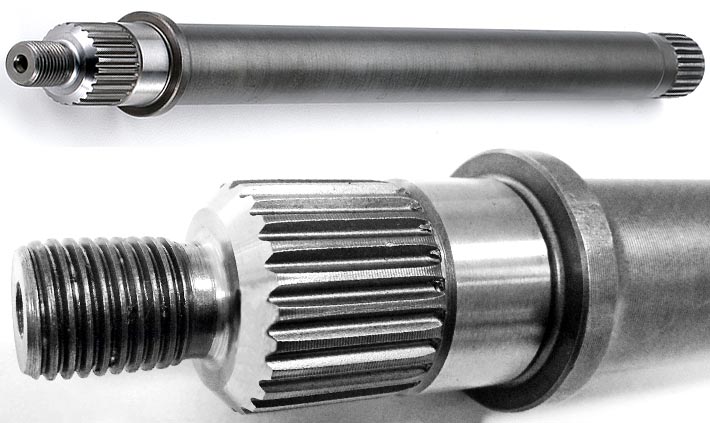
How do spline shafts handle variations in torque and rotational force?
Spline shafts are designed to handle variations in torque and rotational force in mechanical systems. Here’s a detailed explanation:
1. Interlocking Splines:
Spline shafts have a series of interlocking splines along their length. These splines engage with corresponding splines on the mating component, such as gears or couplings. The interlocking design ensures a secure and robust connection, capable of transmitting torque and rotational force.
2. توزيع الأحمال:
When torque is applied to a spline shaft, the load is distributed across the entire engagement surface of the splines. This helps to minimize stress concentrations and prevents localized wear or failure. The load distribution capability of spline shafts allows them to handle variations in torque and rotational force effectively.
3. Material Selection:
Spline shafts are typically made from materials with high strength and durability, such as alloy steels. The material selection is crucial in handling variations in torque and rotational force. It ensures that the spline shaft can withstand the applied loads without deformation or failure.
4. Spline Profile:
The design of the spline profile also contributes to the handling of torque variations. The spline profile determines the contact area and the distribution of forces along the splines. By optimizing the spline profile, manufacturers can enhance the load-carrying capacity and improve the ability of the spline shaft to handle variations in torque.
5. Surface Finish and Lubrication:
Proper surface finish and lubrication play a crucial role in the performance of spline shafts. A smooth surface finish reduces friction and wear, while suitable lubrication minimizes heat generation and ensures smooth operation. These factors help in handling variations in torque and rotational force by reducing the impact of friction and wear on the spline engagement.
6. Design Considerations:
Engineers take several design considerations into account to ensure spline shafts can handle variations in torque and rotational force. These considerations include appropriate spline dimensions, tooth profile geometry, spline fit tolerance, and the selection of mating components. By carefully designing the spline shaft and its mating components, engineers can optimize the system’s performance and reliability.
7. Overload Protection:
In some applications, spline shafts may be equipped with overload protection mechanisms. These mechanisms, such as shear pins or torque limiters, are designed to disconnect the drive temporarily or slip when the torque exceeds a certain threshold. This protects the spline shaft and other components from damage due to excessive torque.
Overall, spline shafts handle variations in torque and rotational force through their interlocking splines, load distribution capability, appropriate material selection, optimized spline profiles, surface finish, lubrication, design considerations, and, in some cases, overload protection mechanisms. These features ensure efficient torque transmission and enable spline shafts to withstand the demands of various mechanical systems.
Can spline shafts be repaired or maintained when necessary?
Yes, spline shafts can be repaired and maintained when necessary to ensure their continued functionality and performance. Here are some ways spline shafts can be repaired and maintained:
1. Inspection and Assessment:
When an issue is suspected with a spline shaft, the first step is to conduct a thorough inspection. This involves examining the shaft for any signs of wear, damage, or misalignment. Special attention is given to the spline teeth, which may show signs of wear or deformation. Through inspection and assessment, the extent of the repair or maintenance required can be determined.
2. Spline Tooth Repair:
If the spline teeth are damaged or worn, they can be repaired or replaced. Repair methods may include re-machining the teeth to restore their original profile, filling and reshaping the worn areas using specialized welding techniques, or replacing the damaged section of the spline shaft. The specific repair method depends on the severity of the damage and the material of the spline shaft.
3. Lubrication and Cleaning:
Regular lubrication and cleaning are essential for maintaining spline shafts. Lubricants help reduce friction and wear between the mating surfaces, while cleaning removes contaminants that can affect the spline’s engagement. During maintenance, old lubricants are removed, and fresh lubricants are applied to ensure smooth operation and prevent premature failure.
4. Surface Treatment:
If the spline shaft undergoes wear or corrosion, surface treatment can be applied to restore its condition. This may involve applying coatings or treatments to enhance the hardness, wear resistance, or corrosion resistance of the spline shaft. Surface treatments can improve the longevity and performance of the spline shaft, reducing the need for frequent repairs.
5. Balancing and Alignment:
If a spline shaft is experiencing vibration or misalignment issues, it may require balancing or realignment. Balancing involves redistributing mass along the shaft to minimize vibrations, while alignment ensures proper mating and engagement with other components. Balancing and alignment procedures help optimize the performance and longevity of the spline shaft.
6. Replacement:
In cases where the spline shaft is severely damaged or worn beyond repair, replacement may be necessary. Replacement spline shafts can be sourced from manufacturers or specialized suppliers who can provide shafts that meet the required specifications and tolerances.
It’s important to note that the repair and maintenance of spline shafts should be carried out by qualified professionals with expertise in precision machining and mechanical systems. They have the knowledge and tools to properly assess, repair, or replace spline shafts, ensuring the integrity and functionality of the system in which they are used.
By implementing regular maintenance and timely repairs, spline shafts can be kept in optimal condition, extending their lifespan and maintaining their performance in various mechanical applications.
What are the advantages of using spline shafts in mechanical systems?
Using spline shafts in mechanical systems offers several advantages. Here’s a detailed explanation:
1. نقل عزم الدوران:
Spline shafts provide efficient torque transmission between the driving and driven components. The interlocking splines ensure a secure and reliable transfer of rotational force, enabling the transmission of power and motion in mechanical systems.
2. Relative Movement Accommodation:
Spline shafts can accommodate relative movement between the driving and driven components. They allow axial, radial, and angular displacements, compensating for misalignments, thermal expansion, and vibrations. This flexibility helps to maintain proper engagement and minimize stress concentrations.
3. Load Distribution:
The splines on the shaft distribute the transmitted load across the entire engagement surface. This helps to reduce localized stresses and prevents premature wear or failure of the components. The load distribution capability of spline shafts contributes to the overall durability and longevity of the mechanical system.
4. Precise Positioning and Control:
Spline shafts enable precise positioning and control of mechanical components. The splines provide accurate rotational alignment, allowing for precise angular positioning and indexing. This is crucial in applications where precise control and synchronization of movements are required.
5. Interchangeability and Standardization:
Spline shafts are available in standardized designs and dimensions. This enables interchangeability between components and facilitates easier maintenance and replacement. Standardization also simplifies the design and manufacturing processes, reducing costs and lead times.
6. High Power Transmission Capacity:
Spline shafts are designed to withstand high torque loads. The interlocking splines provide a large contact area, distributing the transmitted torque across multiple teeth. This allows spline shafts to handle higher power transmission requirements, making them suitable for heavy-duty applications.
7. Versatility:
Spline shafts can be designed and manufactured to suit various application requirements. They can be customized in terms of size, shape, number of splines, and spline profile to match the specific needs of a mechanical system. This versatility makes spline shafts adaptable to a wide range of industries and applications.
8. Reduced Slippage and Backlash:
When properly designed and manufactured, spline shafts exhibit minimal slippage and backlash. The tight fit between the splines prevents significant axial or radial movement during torque transmission, resulting in improved efficiency and precision in mechanical systems.
In summary, the advantages of using spline shafts in mechanical systems include efficient torque transmission, accommodation of relative movement, load distribution, precise positioning and control, interchangeability, high power transmission capacity, versatility, and reduced slippage and backlash. These advantages make spline shafts a reliable and effective choice in various applications where power transfer, flexibility, and precise motion control are essential.


editor by CX 2023-09-18
حوّل الدليل إلى طلب عرض أسعار
أرسل الرسم المتحكم به، وواجهة التزاوج، وحالة المواد، ومعلومات الخدمة للمراجعة الفنية.
اطلب عرض سعر